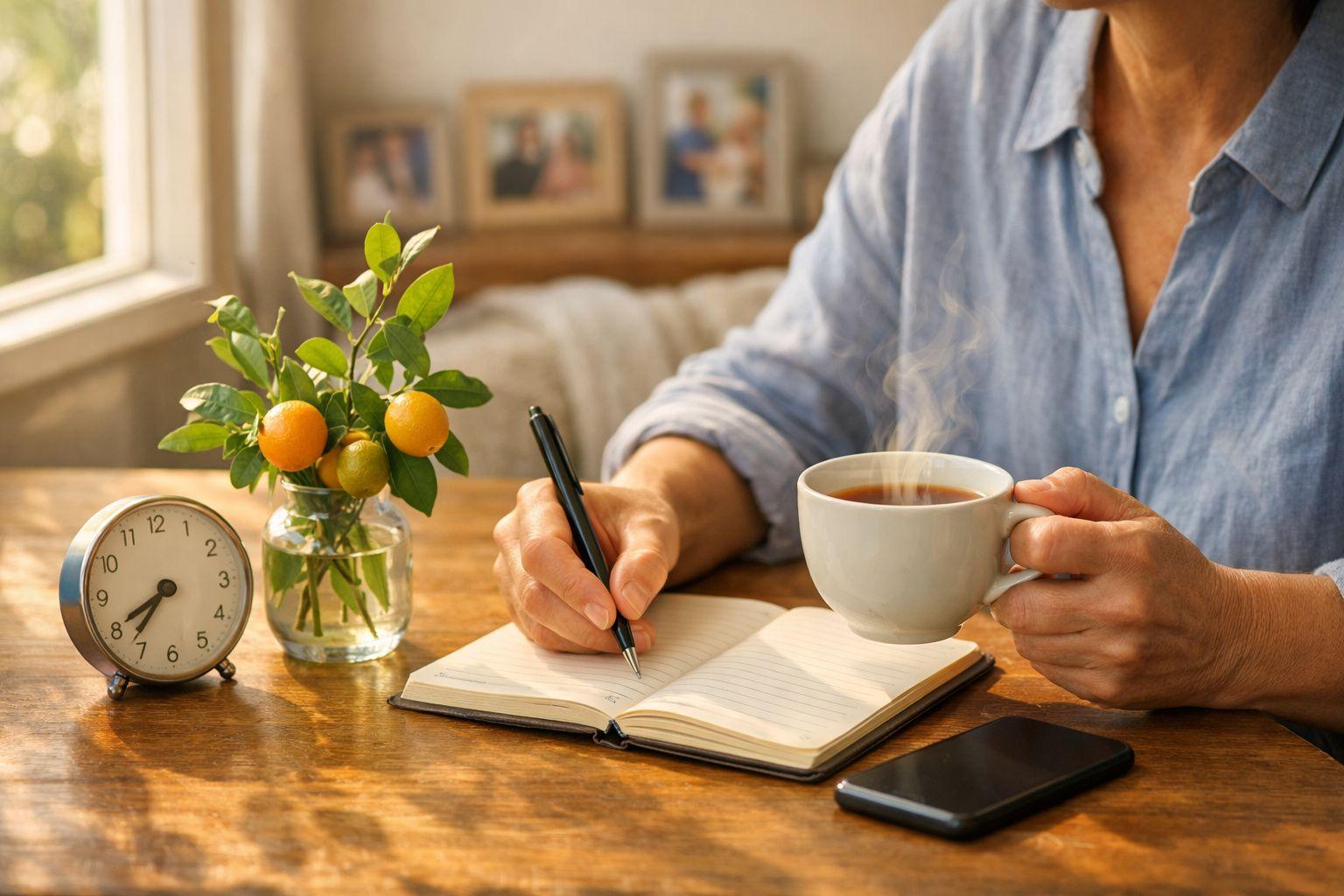

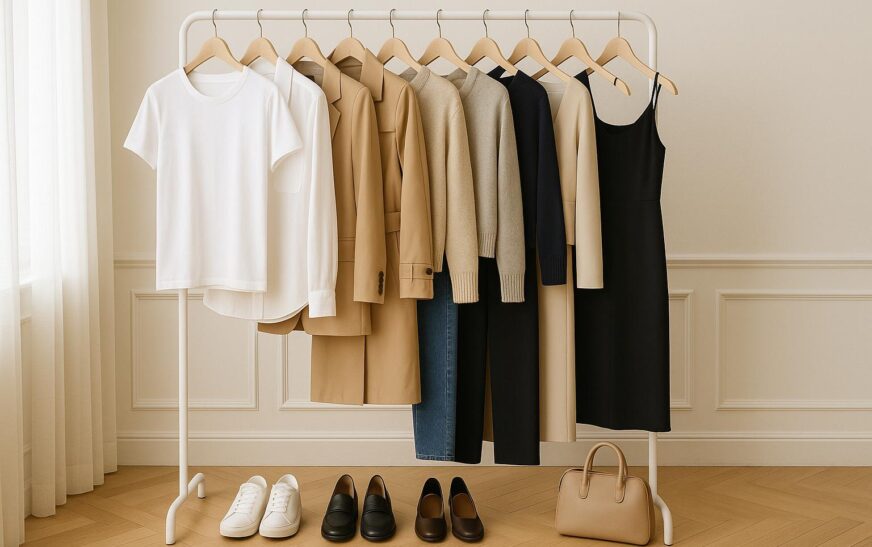
Last spring I stood in front of my closet at 7:40 AM, already fifteen minutes behind schedule, staring at a pile of clothes that somehow added up to “nothing to wear.” My daughter needed her shoes tied, my coffee was getting cold on the dresser, and I was still in yesterday’s leggings trying to decide between two shirts that both felt wrong.

I ended up wearing the wrinkled one. Of course I did.
That morning wasn’t unusual. It was basically every morning for about two years. Between work calls, school drop-offs, and just trying to keep the house from falling apart, getting dressed felt like one more task on a list that was already too long.
What finally fixed this wasn’t a shopping spree or some Pinterest-perfect capsule wardrobe I saw online. It was a bunch of small, practical changes I made out of pure exhaustion. I’m sharing what actually worked, including the stuff I got wrong along the way.
Why Getting Dressed Feels So Hard When You’re Busy
Decision fatigue is real. By the time you’ve made breakfast decisions, packed lunches, and answered three work emails before 8 AM, your brain genuinely has less capacity left to decide what to wear.
I didn’t understand this for years. I just thought I was bad at fashion. Turns out the problem wasn’t my taste in clothes. It was that I was trying to make a creative decision at the exact moment my brain was the most tired and rushed.
Once I understood that, styling myself stopped feeling like a personal failure and started feeling like a system I could actually fix.
Building a Wardrobe That Works Without Thinking
Start With What You Actually Wear
I did a version of the closet cleanout that Marie Kondo talks about, though I skipped the part where you thank each item. I just pulled everything out and sorted into three piles: things I wear often, things I haven’t touched in a year, and things I genuinely don’t know why I own.
That last pile was embarrassingly big. A sequined top I bought for one wedding in 2019. Three pairs of jeans that never fit right but I kept “just in case.” Clearing those out didn’t just free up closet space. It made choosing an outfit faster because I wasn’t sifting through clothes I never actually reached for anyway.
Build Around a Few Core Colors
This one genuinely changed everything for me. I used to buy clothes based on whatever caught my eye in the moment, which meant my closet was a chaotic mix of colors that rarely matched each other.
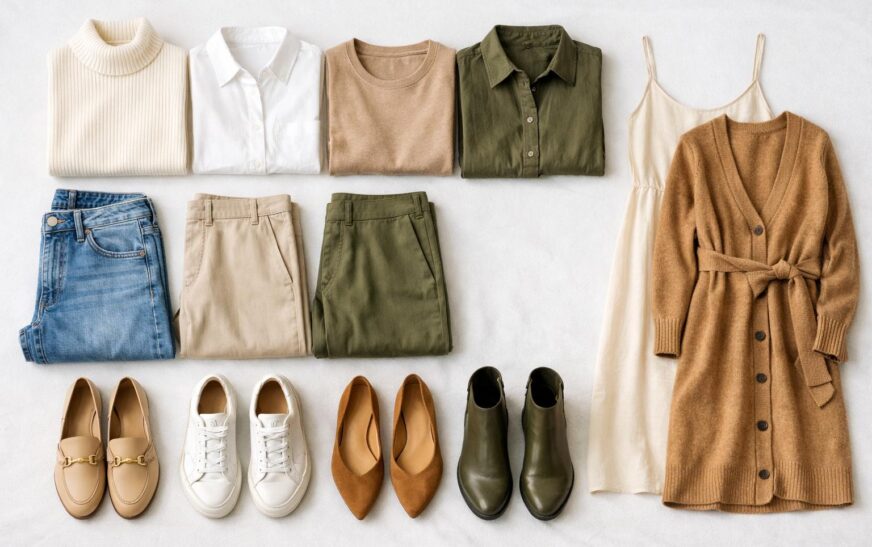
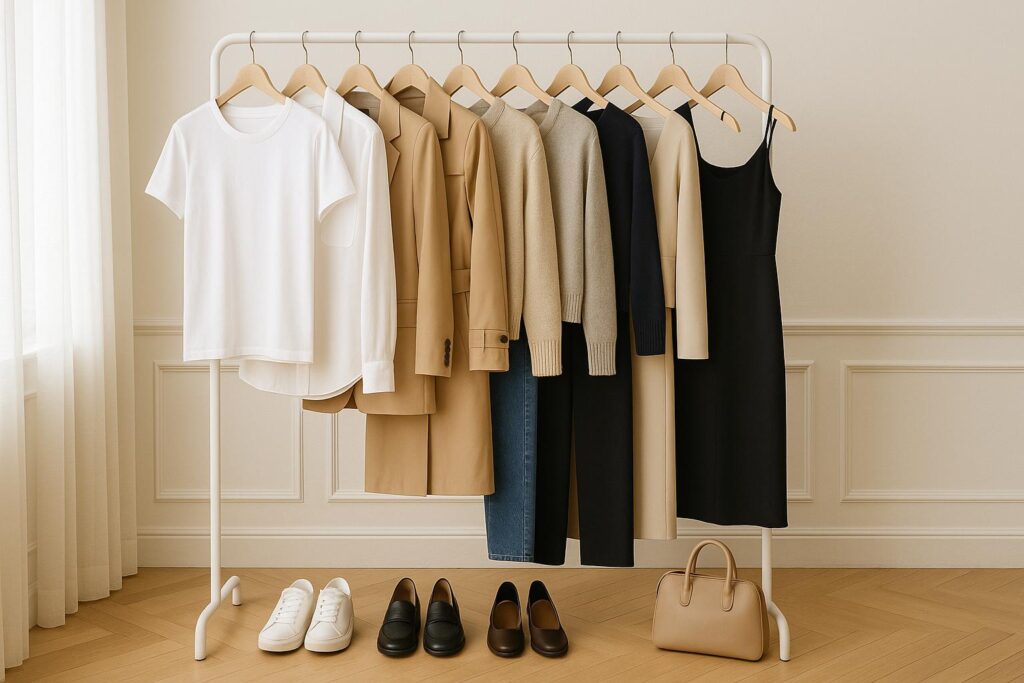
I switched to building my wardrobe around navy, black, white, and one accent color, which for me is a rust orange because it works well with my skin tone. Now almost everything in my closet can be mixed and matched without much thought. A navy blazer works with three different pairs of pants. A white blouse works with basically everything.
Invest in a Few Versatile Pieces Instead of Many Cheap Ones
I used to buy a lot of fast fashion pieces because they were cheap and felt like an easy win. The problem was they wore out fast, pilled after a few washes, or just never looked quite right.
Now I’d rather buy one good blazer than five mediocre tops. A well-made pair of dark jeans, a quality blazer, and a couple of well-fitted basic tees have honestly outlasted and outperformed dozens of cheaper pieces I used to buy on impulse.
Step-by-Step: Building a Morning-Proof Outfit System
Here’s roughly how I rebuilt my routine, broken into steps you can actually follow.

Step one: Do a real closet audit
Set aside one weekend afternoon. Pull everything out, try on anything you’re unsure about, and be honest about what you actually reach for during a normal week.
Step two: Identify your uniform
Look for patterns in what you already wear most often. Mine turned out to be a fitted top, straight-leg pants, and a cardigan or blazer layered on top. Once I noticed this pattern, I stopped trying to reinvent my style every day and just leaned into what already worked.
Step three: Plan outfits in batches, not daily
On Sunday evenings, I now spend about fifteen minutes planning five outfits for the week ahead. I use the Stylebook app to photograph my clothes and mix them digitally, though honestly a simple notes app list works fine too.
Step four: Prep the night before
I lay out my outfit, including shoes and accessories, the night before. This single habit probably saved me more morning stress than anything else on this list.
Step five: Keep a small “emergency outfit” ready
I keep one complete, ready-to-grab outfit hanging separately in my closet for mornings when everything goes wrong. Spilled coffee, sick kid, running late, doesn’t matter. That outfit is always clean, ironed, and waiting.
Accessories That Do the Heavy Lifting
I learned this the hard way after wearing the same three outfits on repeat for months and feeling bored of my own closet.
One Statement Piece Changes Everything
Adding a bold necklace or a patterned scarf can transform a plain outfit without requiring you to buy new clothes. I have a leopard print scarf that has single-handedly saved at least a dozen boring outfits.
Shoes Set the Tone
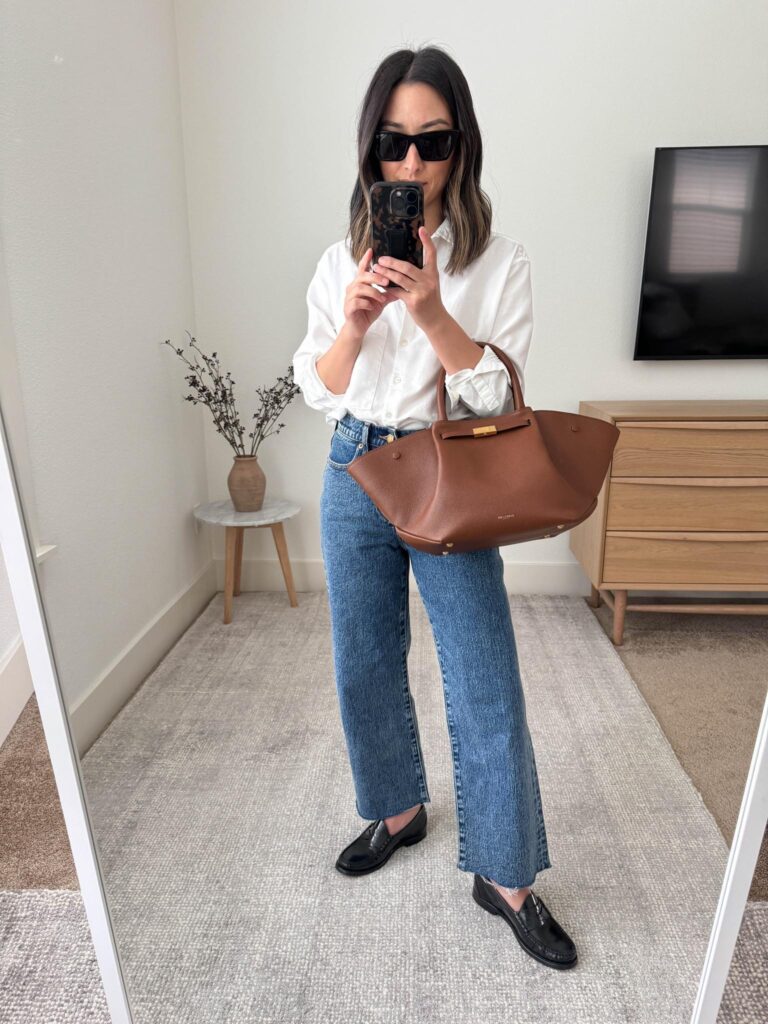
The same jeans and blouse look completely different with sneakers versus loafers versus heels. I keep three shoe options by the door, a pair of white sneakers for casual days, black flats for work, and one slightly dressier pair for whenever plans come up unexpectedly.
Layering Solves the Weather Problem
Living somewhere with unpredictable weather taught me to always have a light cardigan or jacket nearby. It’s saved me from freezing in overly air-conditioned offices more times than I can count.
Real Example: My Actual Weekly Routine Now
Sunday evening, I spend fifteen minutes picking five outfits based on my calendar for the week. Meetings get slightly dressier options, work-from-home days get comfortable but still put-together choices.
Each outfit gets hung together on one hanger, shoes noted in my phone. Monday through Friday morning, I’m not making any decisions. I’m just executing a plan I already made when my brain had more energy to think clearly.
This alone cut my morning routine from almost twenty-five minutes of standing in front of my closet down to about five minutes of actually getting dressed.
Common Mistakes to Avoid
Buying trendy pieces that don’t match anything else you own. I did this constantly in my twenties. Ended up with a closet full of items that couldn’t be paired with anything, which made getting dressed harder, not easier.
Skipping the fitting room. Online shopping is convenient, but I’ve learned to always check the return policy and actually try things on at home before removing tags. A few too many ill-fitting pieces taught me this lesson.
Ignoring your actual lifestyle. I once bought several dry-clean-only pieces despite having zero time to actually get things dry cleaned regularly. They sat unworn in my closet for over a year.
Trying to copy someone else’s style exactly. Following a favorite influencer’s exact outfit choices without adjusting for your own body, budget, and daily life usually ends up feeling forced rather than natural.
Overcomplicating your morning routine with too many steps. If your styling system requires twenty minutes of decision-making every single day, it’s not actually saving you time. Simplicity is the entire point.
A Few Tools and Apps That Genuinely Help
Stylebook app for digitally organizing your closet and planning outfits in advance.
Pinterest for gathering outfit inspiration you can adapt to pieces you already own, rather than buying everything new.
ThredUp or Poshmark if you want quality secondhand pieces without the full retail price tag.
A simple steamer instead of an iron. Mine has cut my morning prep time significantly since wrinkle removal takes seconds instead of minutes.
Final Thoughts
Looking put together every day was never actually about having endless clothing options or expensive designer pieces. It was about removing decisions from my mornings so I had more mental energy left for everything else on my plate.
Your version of this system might look completely different from mine, depending on your job, your climate, and your personal taste. That’s fine. Start with one small change, whether that’s a Sunday outfit-planning session or finally clearing out clothes you haven’t worn in a year.
Getting dressed shouldn’t feel like the hardest decision of your day. With a system that actually fits your real life, it doesn’t have to be.