
What Actually Worked After Years of Failed Attempts
I used to have a junk drawer that wasn’t really a drawer anymore. It had taken over an entire kitchen cabinet, then spread to a shelf in the hallway closet, then somehow claimed a corner of my bedroom too. Finding a pair of scissors became a legitimate ten minute search.
That was my breaking point. Not some dramatic before-and-after moment, just genuine exhaustion from constantly hunting for things that should have obvious homes.
Getting organized turned out to be less about buying the right bins and more about understanding a few core principles. Once those clicked, everything else became a lot easier to figure out. Here’s what actually worked, including the systems that failed first.
Why Most Organizing Attempts Don’t Stick
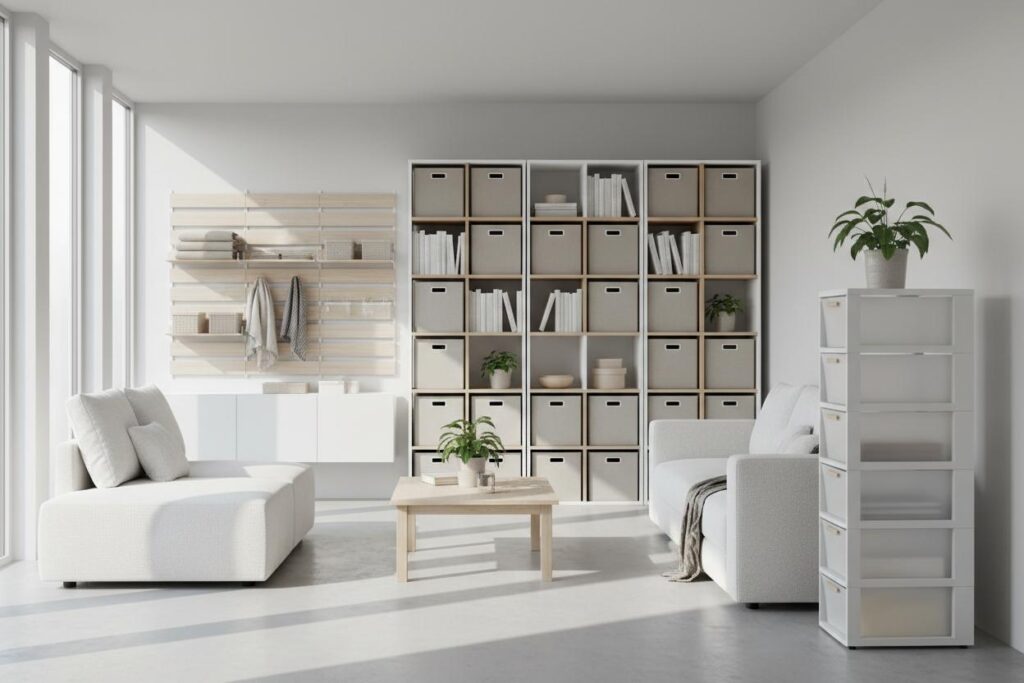
Plenty of organizing advice focuses on the aesthetic, matching containers, labeled baskets, perfectly folded stacks. That stuff looks great in photos, but it rarely addresses why things get disorganized in the first place.
Real disorganization usually comes down to friction. If putting something away takes more effort than tossing it on a counter, the counter wins every time. I learned this the hard way after buying a beautiful set of matching bins that ended up empty because they lived in a closet too inconvenient to actually use daily.
The systems that actually last are the ones built around how you really behave, not how you wish you behaved. That distinction changed everything about how I approached organizing my home.
The Foundation: Declutter Before You Organize
Why Buying Storage First Is a Mistake
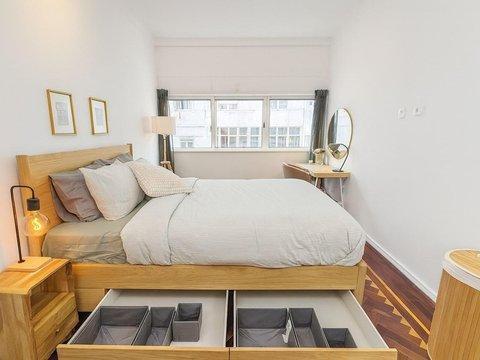
I made this mistake constantly early on. Walking into a home goods store, grabbing a cart full of bins and baskets, then coming home to realize I still had way too much stuff to fit into any of it.
Organizing before decluttering just means you’re creating a nicer looking system for storing things you don’t actually need. Decluttering first, even without a perfect plan, makes every step after it easier.
The Four Box Method That Finally Worked for Me
I tried several decluttering systems before landing on one that stuck. Four boxes, labeled keep, donate, trash, and relocate, sitting in whatever room I’m working on.
Everything gets sorted into one of these four categories, no exceptions, no “I’ll decide later” pile. That last category, relocate, catches items that belong in a different room entirely, which prevents the common trap of trying to organize items in the wrong space to begin with.
Setting a Time Limit Per Room
Decluttering an entire home in one weekend sounds appealing but usually leads to burnout by hour three. I started setting a strict ninety minute limit per session, working through one room or even one section of a room at a time.
This pacing made the whole project feel manageable instead of overwhelming. Some rooms took multiple sessions, and that was completely fine.
Room by Room Organization Strategies
The Kitchen: Group by Function, Not Category
My kitchen used to be organized by vague categories, all the small appliances together, all the baking stuff together, regardless of how often I actually used each item. Switching to a function based system changed everything.
Everything used for morning routines, coffee maker, mugs, cereal bowls, lives together near that specific counter area. Baking supplies I use twice a year moved to a higher, less accessible shelf. Frequency of use, not category, now determines placement.
The Closet: The One In One Out Rule
Closets are where clutter accumulates fastest for most people, mine included. The one in one out rule became my saving grace here. Every time something new comes in, something existing has to leave.
This single rule prevents the slow creep back into chaos that undoes most organizing efforts within a few months. It sounds almost too simple, but it’s held up better than any elaborate closet system I’ve tried.
The Bathroom: Vertical Space Is Your Friend
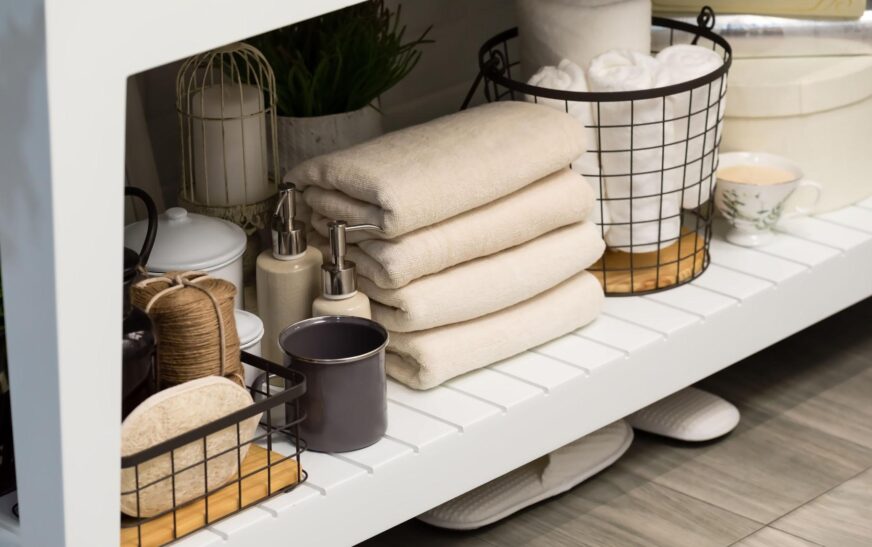
Bathrooms tend to be small, which means horizontal counter space runs out fast. I started using stackable organizers and an over-the-door shoe organizer repurposed for toiletries, and suddenly had room I didn’t know existed.
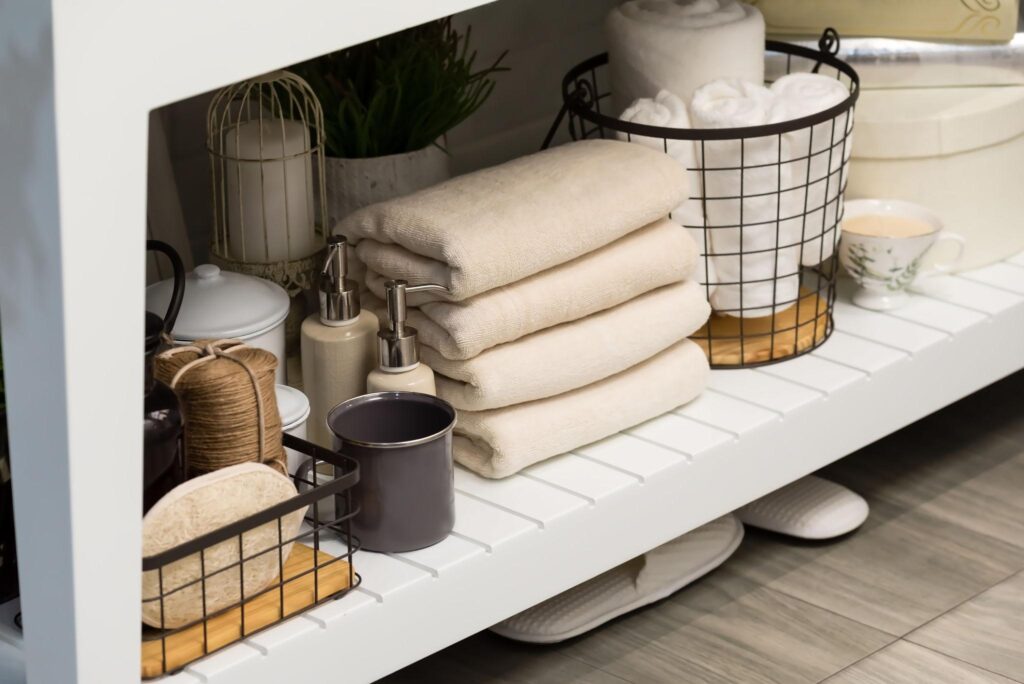
Command hooks inside cabinet doors also solved a lot of small storage problems, holding hair tools and smaller items that used to just sit loose in drawers.
The Home Office or Work Corner: Digital Clutter Counts Too
Physical organization gets most of the attention, but my actual productivity improved once I applied the same principles to my digital workspace. A cluttered desktop full of random files was creating the same mental friction as a messy physical desk.
I started using folders organized by project rather than file type, and set a monthly reminder to clear out anything no longer relevant. This mirrors the physical decluttering process almost exactly.
Step-by-Step: Building a System That Actually Lasts
Here’s the process I now follow whenever tackling a new space in the house.
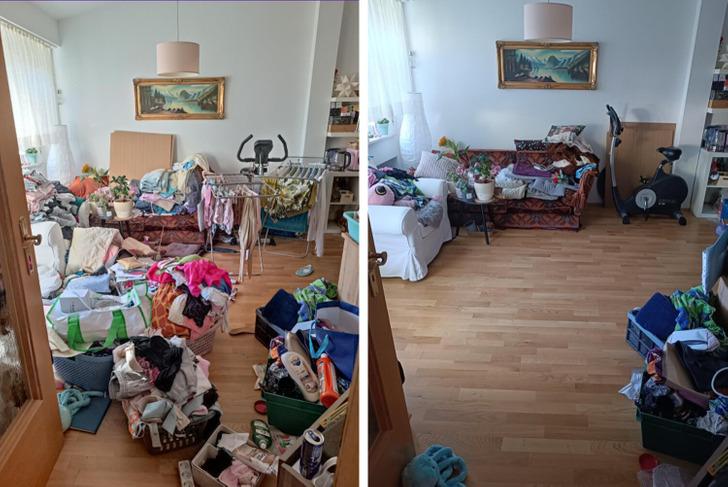
Step one: Empty the entire space completely. Every single item comes out before anything goes back in. This forces an honest assessment of everything you actually own in that space, rather than working around existing piles.
Step two: Sort using the four box method. Keep, donate, trash, relocate. No exceptions, no maybe pile that just becomes clutter again in a different form.
Step three: Clean the empty space before returning anything. This step gets skipped constantly, but starting with a genuinely clean space makes the whole process feel more like a true reset instead of just rearranging existing mess.
Step four: Group remaining items by how often you use them. Daily items go in the most accessible spots. Occasional items move to harder to reach places. Rarely used items can go into deeper storage entirely.
Step five: Assign every item a specific home. Vague placement leads back to chaos fast. Every item needs one designated spot, not a general area where it might end up.
Step six: Label anything that isn’t immediately obvious. Labels remove the guesswork for everyone in the household, not just yourself. This matters especially in shared spaces like kitchens and closets.
Step seven: Do a five minute reset every evening. This final step made the biggest difference in maintaining everything long term. A quick nightly walkthrough putting stray items back where they belong prevents small messes from snowballing into full reorganization projects.
Real Examples From My Own Home
The Junk Drawer Transformation
That original junk drawer disaster got the full four box treatment. Half of what I found went straight to donation or trash. What remained got sorted into a drawer organizer with actual dividers, and it’s stayed that way for over a year now.
The Closet That Finally Made Sense
I used to own way more clothes than my closet could reasonably hold, which meant everything stayed wrinkled and hard to find. Applying the one in one out rule alongside a genuine donation purge cut my wardrobe by nearly a third. Getting dressed became noticeably faster once everything had breathing room.
The Pantry Overhaul That Actually Stuck
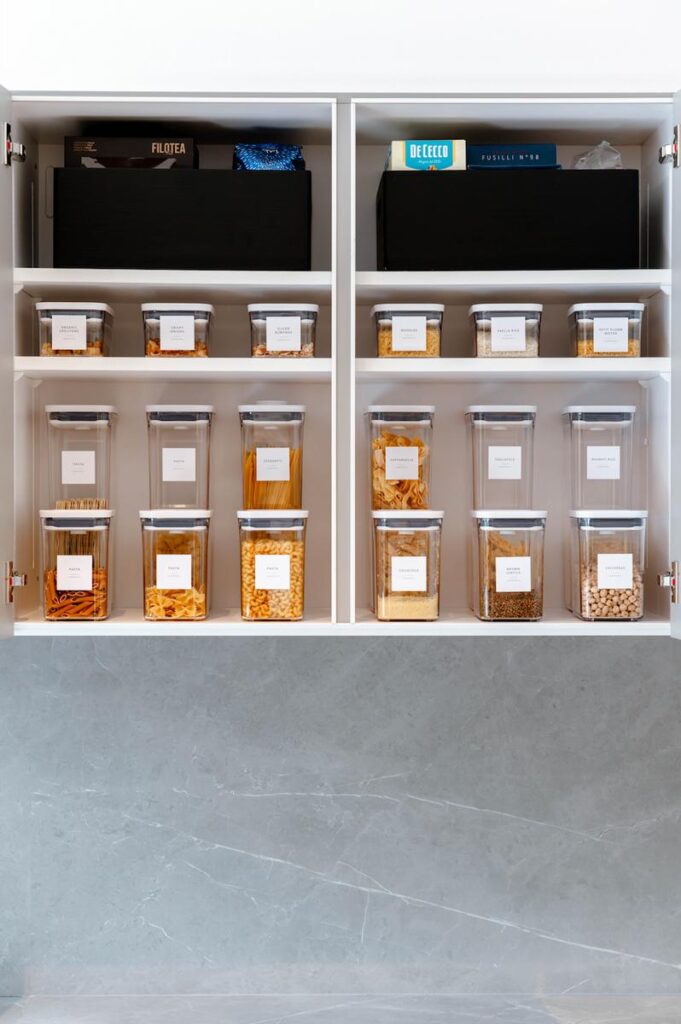
My pantry used to be a mess of half opened bags and expired items shoved toward the back. I transferred dry goods into clear containers and grouped everything by meal type instead of random shelving. Seeing everything at a glance also cut down on buying duplicates I already had.
The Digital Desktop Reset
My computer desktop had become a graveyard of random screenshots and downloaded files with no organization whatsoever. Setting up project based folders and committing to a monthly cleanup reminder solved a problem I hadn’t even realized was slowing me down daily.
Common Mistakes People Make When Organizing
Buying storage solutions before decluttering. This creates a nicer looking version of the same clutter problem instead of actually solving it. Declutter first, always.
Organizing based on Pinterest inspiration instead of real habits. A gorgeous, color coded pantry means nothing if it doesn’t match how you actually shop and cook. Build systems around your real behavior, not an aspirational version of yourself.
Skipping the maintenance step entirely. Organizing once without any ongoing system just delays the mess, it doesn’t prevent it. A quick daily reset matters more than the initial big organizing push.
Trying to tackle the whole house in one weekend. This leads to burnout and half finished rooms more often than genuine progress. Smaller, focused sessions produce better and more lasting results.
Ignoring high traffic zones like entryways. These spots collect clutter fastest since they’re where everyone drops things on the way in or out. Give these areas extra attention and the simplest possible systems, since complicated organization rarely survives daily use in a busy zone.
Tools and Products That Genuinely Helped
Clear stackable bins for pantry and closet organization, since seeing contents at a glance beats guessing what’s inside an opaque container.
A label maker for creating consistent, legible labels throughout the house instead of relying on handwritten sticky notes that fade or peel off.
Command hooks for solving small storage problems without any permanent installation, especially useful in rentals.
Drawer dividers specifically for kitchen drawers and bathroom vanities, which stopped small items from constantly shifting into one chaotic pile.
The Notion app for managing digital organization projects and tracking which rooms still need attention during a larger organizing push.
Final Thoughts
Organizing a home like a pro isn’t about owning the most beautiful storage containers or achieving some flawless, Pinterest-worthy result. It’s about building systems that match how you actually live, so the organization sticks around instead of falling apart within a month.
Every failed system I tried taught me something useful for the next attempt. That overflowing junk drawer feels like ancient history now, and the process of getting there was honestly less about willpower and more about finally understanding what actually causes clutter to build up.
If your home has a space that’s been bothering you for a while, start small. Pick one drawer, one shelf, one corner. Work through the four box method, assign everything a real home, and build in that quick nightly reset. The rest tends to fall into place once that first space finally clicks.