
I deleted Instagram off my phone three months ago on a random Tuesday night, mostly out of frustration, and honestly expected to reinstall it within a week.
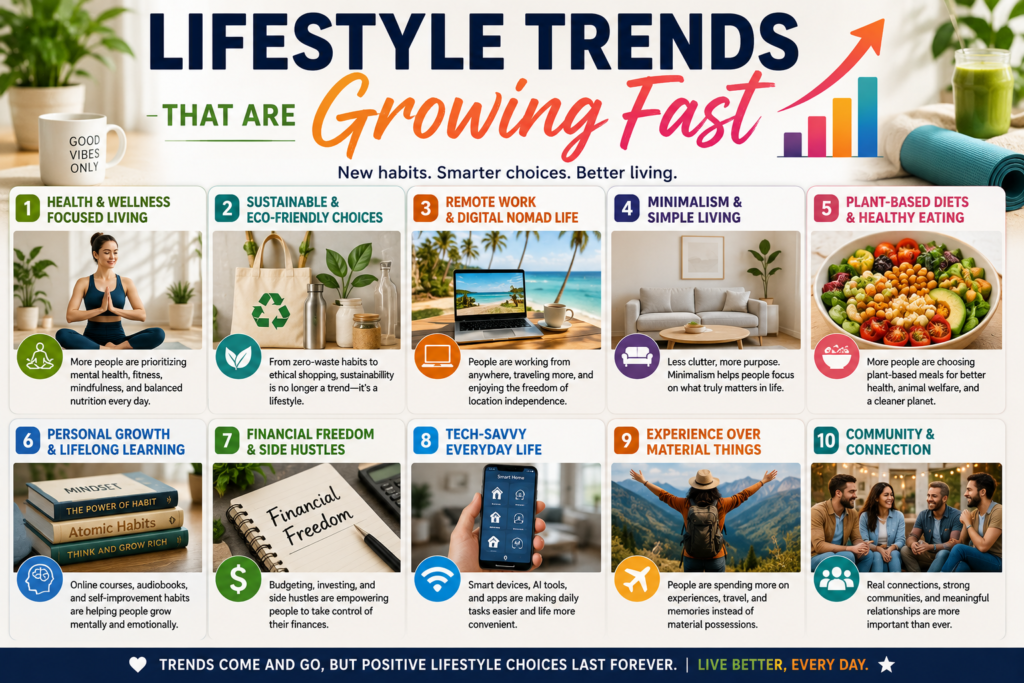
That didn’t happen. Instead, I found myself accidentally part of a much bigger shift that a lot of people are quietly going through right now. Turns out I wasn’t being dramatic or weird. I was just early to something that’s now spreading fast across group chats, TikTok, and actual real life conversations with friends.
That got me curious. I started paying attention to what else was changing around me. Friends taking up cold plunges. Coworkers buying flip phones on purpose. My sister tracking her sleep like it’s a second job. None of this felt like classic New Year’s resolution energy. It felt like something with actual staying power.
So here’s my honest, lived-in breakdown of the lifestyle trends genuinely growing right now, including the ones I tried myself, the ones that flopped, and the ones actually worth your time.
Why So Many People Are Rethinking Their Daily Habits Right Now
Something shifted over the past couple years, and it’s not subtle anymore.
People got tired. Genuinely tired, not just in a vague existential way. Screen time crept up, prices crept up, and the constant pressure to optimize every part of life started backfiring for a lot of us.
What’s interesting is the response isn’t extreme minimalism or dramatic life overhauls. Most people aren’t quitting their jobs or moving off grid. They’re making smaller, more intentional swaps instead, and those swaps are adding up into genuinely different daily routines.
I’ve noticed this in my own circle too. Nobody’s bragging about hustle culture anymore. They’re bragging about their sleep score or their screen time going down. That’s a real cultural shift, even if it sounds small on paper.
The Dumbphone Movement Is Genuinely Real, and I Tried It
This one surprised me the most, honestly.
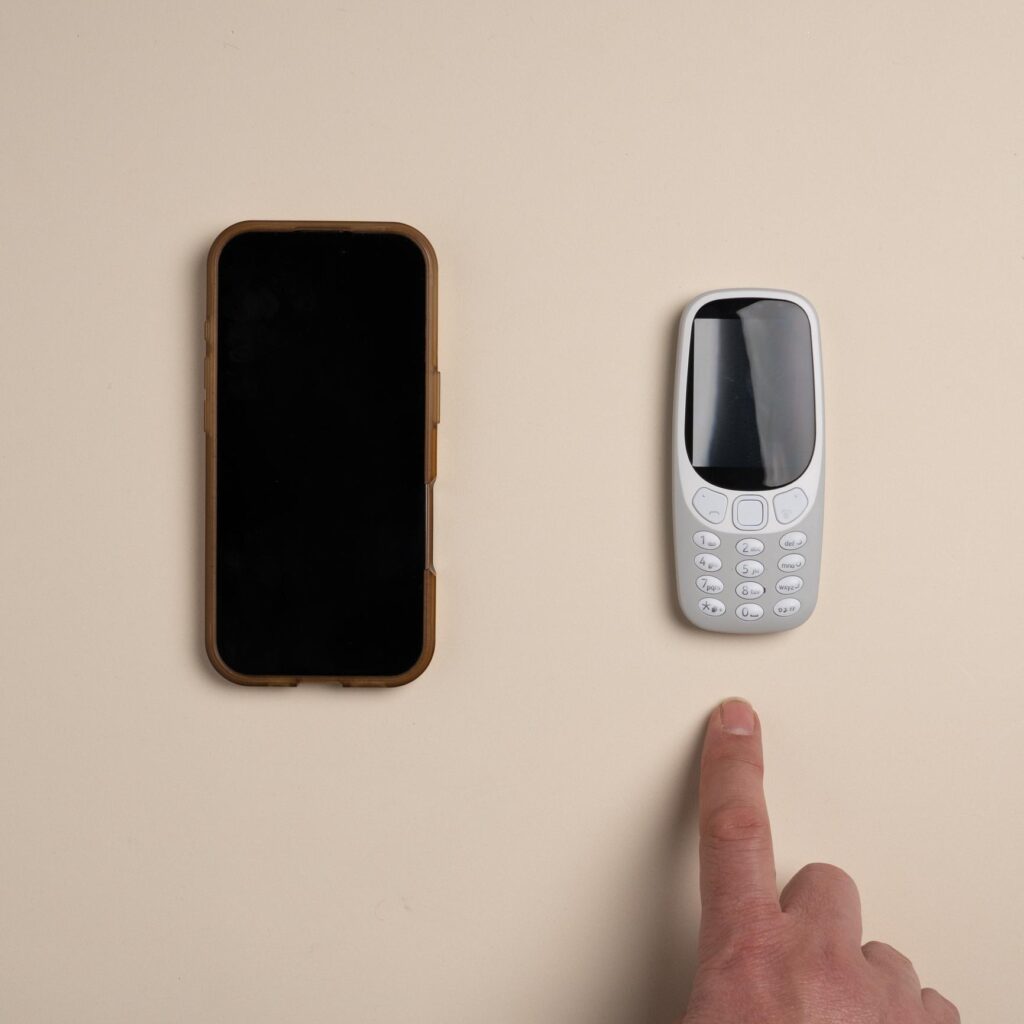
A growing number of people, especially younger folks, are intentionally making their smartphones boring again. Not switching to an actual flip phone necessarily, though some genuinely do that with devices like the Light Phone. Most people are just stripping their existing phone down to the basics.
I tried this myself after the Instagram deletion stuck. Here’s exactly what I did, step by step, if you want to try it too.
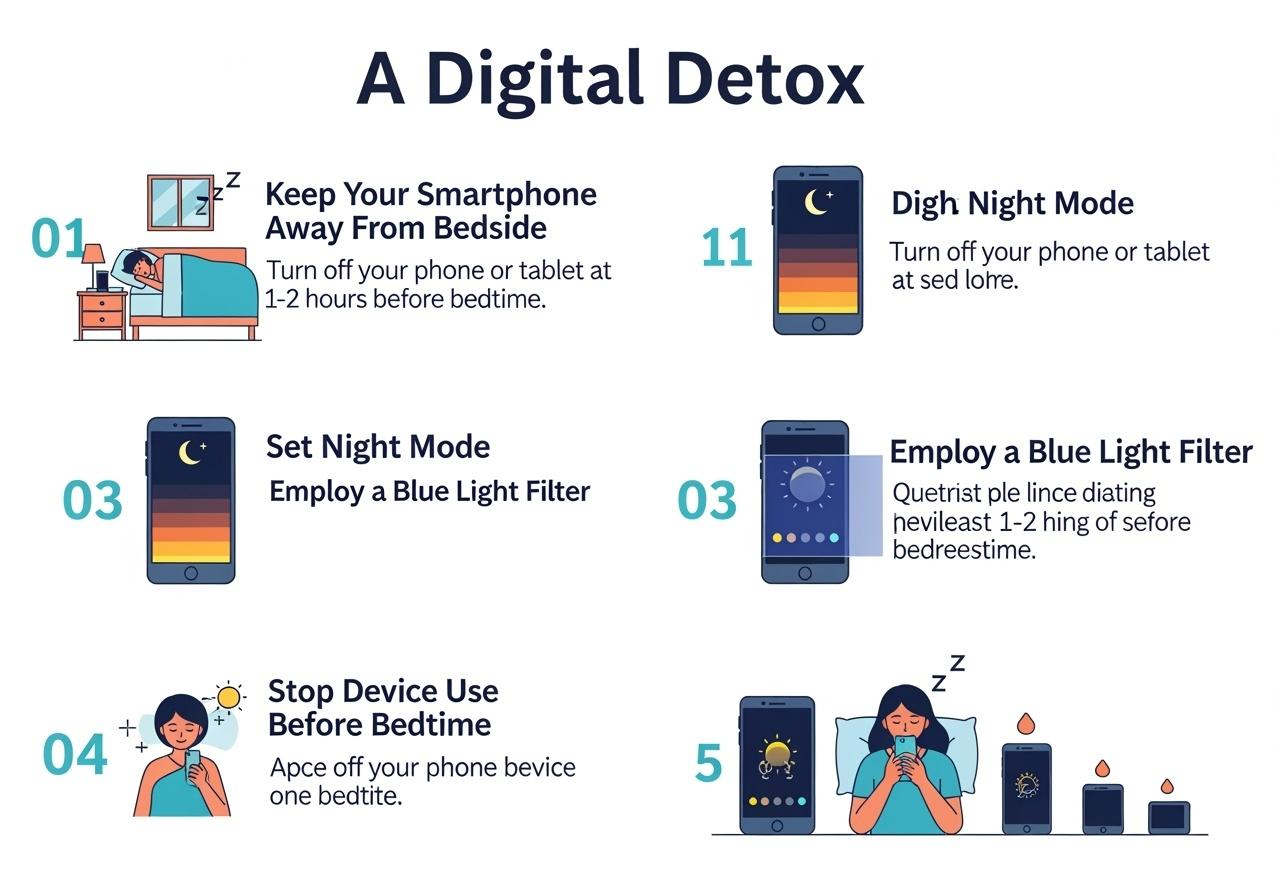
Step one: Turn on grayscale mode. Every smartphone has this buried in accessibility settings. Removing color from your screen genuinely makes apps less tempting to open. It sounds too simple to work, but it does.
Step two: Delete every app you don’t use with intention. Not just social media. Games, shopping apps, anything that exists purely to pull you back in for no real reason.
Step three: Move your remaining apps off the home screen. Keep only calls, maps, and messages visible. Everything else requires a deliberate search, which adds just enough friction to stop mindless opening.
Step four: Turn off every non-essential notification. I kept texts and calls, and killed everything else. My phone barely buzzes now, and it’s genuinely strange how much calmer that feels.
Step five: Try a screen limit app if you need extra backup. Apps like Opal and One Sec add a short pause before opening tempting apps, which is often enough to make you close it instead.
My honest mistake here was going too extreme too fast. I deleted my banking app along with everything else in one enthusiastic weekend purge, then spent twenty minutes trying to remember my login on a browser because I needed to check something urgently. Ease into this one instead of doing a dramatic overnight purge.
Cold Plunges and Saunas Went From Niche to Normal
I’ll admit I laughed at cold plunging when I first saw it online. Sitting in freezing water on purpose seemed like a bit, not an actual wellness trend.
Then a friend dragged me to try one, and I genuinely understood the appeal within about ninety seconds of getting in. There’s a real, immediate mental clarity that hits once your body stops panicking about the cold. It’s not subtle or placebo feeling. Something legitimately shifts.
Saunas are having a moment too, and specifically social saunas, where the point isn’t just heat therapy but actually sitting and talking with other people while you do it. It’s becoming a genuine replacement for some of the socializing people used to do at bars, minus the hangover the next morning.
If you want to try this without spending real money upfront, most local gyms and some community centers now have sauna access included, and plenty of cities have public cold plunge or polar bear clubs you can join for a single session before committing to buying your own setup.
A mistake worth mentioning here. Don’t do cold plunges if you have any heart conditions without talking to a doctor first. The sudden temperature shock is genuinely intense on your cardiovascular system, and this isn’t the kind of trend where you should just wing it without checking in on your own health first.
Sleep Tracking Turned Into a Genuine Obsession
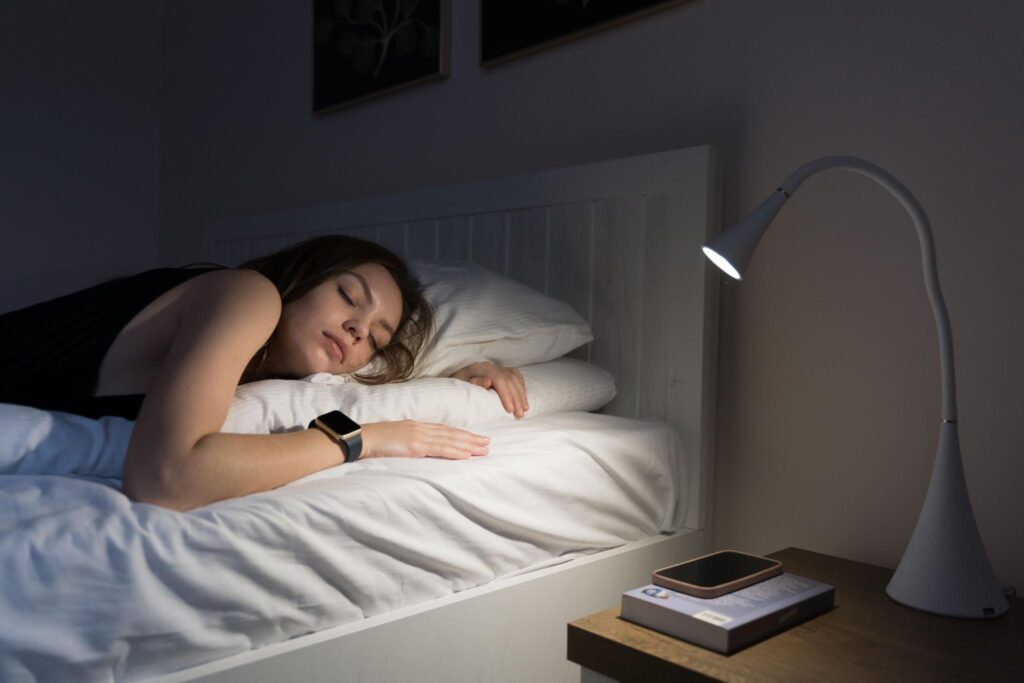
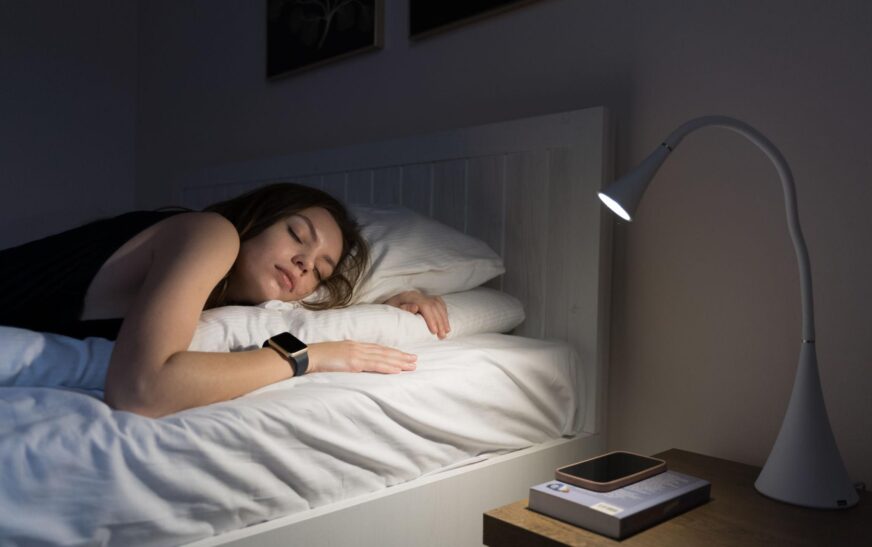
My sister got an Oura Ring for her birthday, and within a month she’d turned it into a full personality trait, in the most affectionate way I can say that.
Devices like Oura and WHOOP track your sleep stages, heart rate variability, and recovery in ways that used to require an actual sleep lab. Now it’s just a ring or a wristband you wear to bed every night.
Here’s what actually surprised me when I borrowed hers for a week. Seeing an actual number attached to how badly a late night scroll session wrecked my sleep quality was more motivating than any vague advice about “getting better sleep” ever was. Data hits different than a general suggestion.
The mistake people make here, myself included, is turning this into what experts are now calling sleep perfectionism. You start stressing about your sleep score so much that the anxiety itself keeps you awake, which completely defeats the purpose. Use the data as a gentle nudge, not a nightly report card you’re being graded on.
Movement Snacks Are Replacing the One Big Workout
This trend genuinely changed my relationship with exercise, and I say that without any exaggeration.
Instead of forcing yourself into one long gym session, movement snacks are short bursts of activity spread throughout your day. A five minute walk after lunch. Some stretching between work calls. A quick set of squats while your coffee brews.
I used to feel like exercise only counted if it took at least forty five minutes and left me sweaty. That mindset kept me from doing anything on busy days, because who has a spare forty five minutes constantly available. Movement snacks removed that all or nothing thinking completely.
Here’s a simple way to start if this sounds appealing.
Step one: Set a recurring hourly reminder on your phone. Just a simple alarm, nothing fancy.
Step two: Do something physical for two to five minutes when it goes off. Stretch, walk to get water, do a few bodyweight squats, whatever’s available.
Step three: Don’t overthink the intensity. The goal is frequency and consistency, not burning maximum calories in each burst.
Step four: Stack it onto something you already do. I do mine every time I refill my water bottle, which happens naturally throughout my day anyway.
Slow Travel Is Quietly Taking Over Vacation Planning
I used to plan trips like a military operation. Five cities in eight days, every hour scheduled, barely any downtime built in.
Slow travel flips that completely. Instead of rushing through a checklist of famous sights, you pick fewer places and actually stay long enough to experience them properly. Sometimes that means renting an apartment for two weeks in one city instead of hotel hopping across five.
I tried this on my last trip almost by accident, since flights got expensive and I couldn’t justify hopping between three countries anymore. Staying in one place longer ended up being genuinely more memorable than my previous rushed trips, and cheaper too once you account for constant transit costs.
This approach also tends to be gentler on the places you’re visiting, since it spreads tourism out instead of concentrating everyone in the same overcrowded spots during peak season.
Minimalism Came Back, But It Looks Different This Time
Minimalism isn’t new, but the version growing right now feels less about stark empty rooms and more about intentional ownership.
People aren’t trying to own nothing. They’re trying to own less stuff that actually matters to them, and cutting the rest. A popular version of this is the one in one out rule, where bringing something new into your home means something else has to leave.
I tried this with my closet specifically, since it had quietly become a graveyard of clothes I never wore. The ninety day rule helped here too. If I hadn’t worn something in ninety days and genuinely wouldn’t buy it again at full price today, it went into a donation bag.
My honest mistake was doing this once and assuming I was done. Minimalism isn’t a single weekend project. Stuff accumulates again naturally, so it needs to be a repeated habit rather than a one time purge.
Common Mistakes People Make Chasing These Trends
I’ve made most of these myself, so take this as a genuinely honest warning rather than a lecture.
Going all in on every trend at once. Trying dumbphone mode, cold plunges, sleep tracking, movement snacks, and minimalism simultaneously is a fast track to burnout. Pick one, get comfortable with it, then add another.
Treating wellness tech as a personality instead of a tool. Your Oura score or your screen time report is information, not an identity. I’ve seen people get more stressed by chasing a perfect number than they ever were before they started tracking anything.
Assuming a trend is automatically healthy just because it’s popular. Some of what’s trending, like unsupervised use of certain longevity medications, genuinely needs actual medical guidance rather than internet enthusiasm. Popularity isn’t the same thing as safety or evidence.
Quitting after one bad day. I almost gave up on movement snacks after forgetting my reminders for a full week straight. Restarting is always easier than people expect, and one missed week doesn’t erase whatever progress you already made.
How to Actually Pick Which Trend Is Worth Your Time
With this much happening at once, it helps to have a simple filter before jumping into something new.
Ask whether it solves an actual problem you already have, rather than a problem you saw described online. I didn’t need sleep tracking until I noticed I was genuinely exhausted despite eight hours in bed. That real frustration made the trend worth trying.
Ask whether it fits into your actual daily life, not some idealized version of your schedule. Movement snacks work because they fit into gaps I already have. A ninety minute gym routine wouldn’t have, no matter how good it looked on paper.
Ask whether you can try a small, low commitment version first. A single sauna session at a local gym costs you almost nothing to test. Buying a home cold plunge setup before ever trying one is a much bigger gamble.
Final Thoughts
That Instagram deletion three months ago wasn’t some grand life philosophy decision. It was just frustration on a random Tuesday that happened to open a door into a bunch of other changes I didn’t expect to make.
What I’ve learned from actually living through these trends, rather than just reading about them, is that the ones with real staying power tend to solve a genuine problem instead of just looking good online. Cold plunges work because the mental clarity is real. Movement snacks work because they fit into a busy day without requiring extra time you don’t have.
Try one thing at a time. Give it a few honest weeks before deciding whether it’s actually improving your life or just another habit you’re forcing because everyone else seems to be doing it. That’s really the whole trick, and it’s a lot less complicated than the internet makes it sound.