

I used to hit snooze six times every morning. Not an exaggeration. My phone alarm went off at 6:00 AM, and by the time I actually dragged myself out of bed, it was almost 7:15. Breakfast was whatever I could grab in thirty seconds, usually a granola bar eaten in the car. By 3 PM I was exhausted, cranky, and reaching for my third coffee of the day.

Sound familiar?
That was me two years ago. What changed wasn’t some dramatic life overhaul or a fancy gym membership. It was a handful of small, boring habits that I stacked one on top of another until my entire day felt different. I’m not a doctor, a fitness influencer, or a wellness coach. I’m just someone who got tired of feeling tired and decided to test a few things until something stuck.
This article isn’t going to tell you to wake up at 4:30 AM and journal for an hour before your ice bath. Real life doesn’t work that way for most of us. Instead, I want to walk you through what actually worked, what flopped, and how you can build your own version of a healthier daily routine without burning out in week two.
Why Small Habits Beat Big Resolutions
Every January, gyms get packed. By February, they’re empty again. I’ve been part of that cycle more times than I’d like to admit.
The problem with big resolutions is that they demand too much willpower all at once. You wake up on January 1st and decide you’re going to work out daily, quit sugar, meditate, read more, and go to bed by 9 PM. Your brain sees that list and quietly panics.
What worked better for me was picking one habit, sticking with it for a few weeks until it felt automatic, then adding another. James Clear talks about this idea in his book Atomic Habits, and honestly, reading that book was the first time habit-building actually clicked for me instead of feeling like another chore.
Small changes compound. A ten-minute walk doesn’t feel like much on day one. But three months later, it’s a completely different story.
Morning Habits That Actually Set the Tone
Stop Checking Your Phone First Thing
I’ll admit this one took me the longest to fix. My hand would reach for my phone before my eyes were even fully open. Instagram, emails, some random news headline that would immediately stress me out.

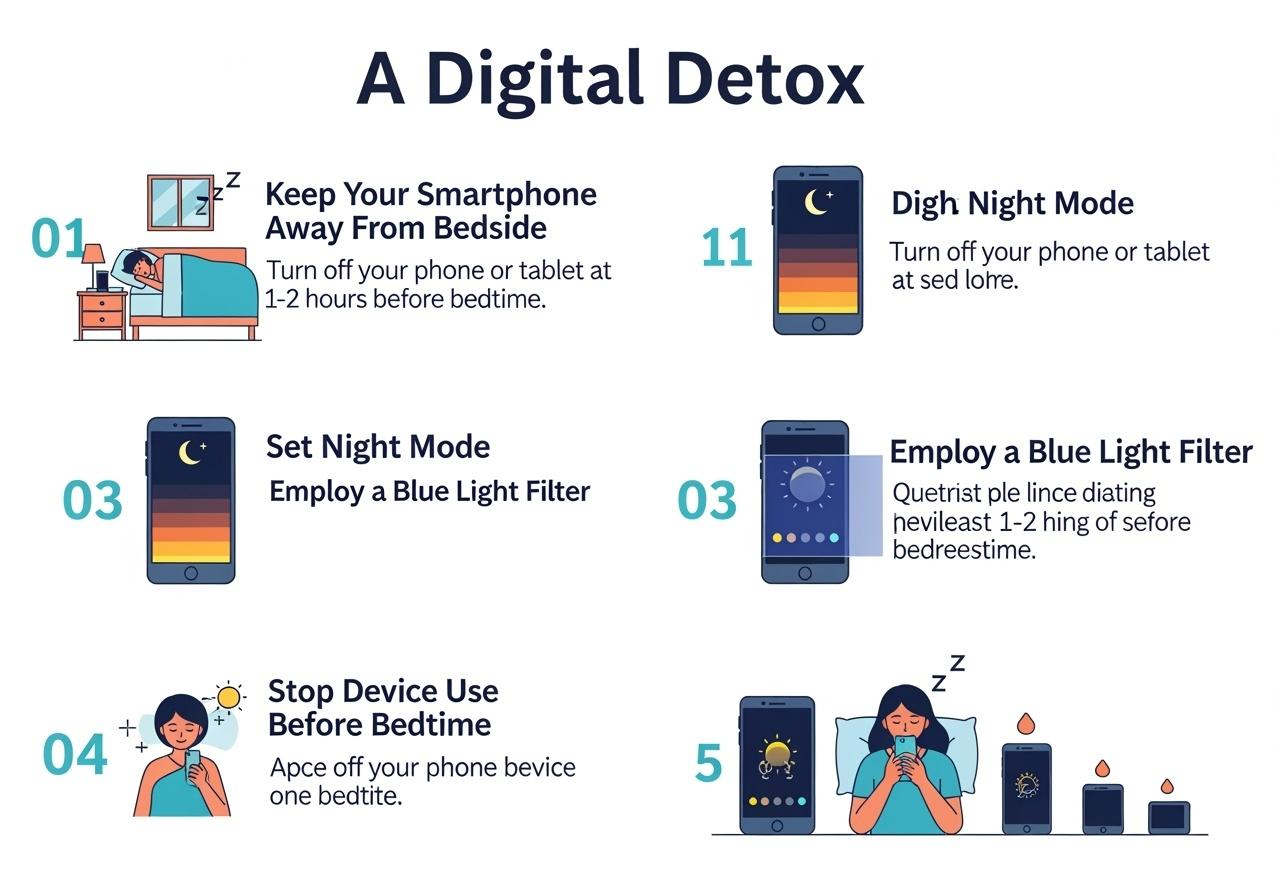
I started leaving my phone charging in the kitchen instead of on my nightstand. It sounds simple because it is. But now my first ten minutes awake are spent stretching, drinking water, or just staring at the ceiling thinking about nothing in particular, and it genuinely changes my mood for the rest of the morning.
Drink Water Before Coffee
This one surprised me. I always assumed coffee was the fix for morning grogginess, but a chunk of that groggy feeling is actually mild dehydration from sleeping for seven or eight hours without drinking anything.
Now I keep a glass of water on my nightstand and drink it before I even get out of bed. Then coffee happens about twenty minutes later. My headaches, which used to show up almost daily, dropped noticeably once I made this switch.
Move Your Body, Even Just a Little
I’m not talking about an intense gym session at 6 AM. I mean actual movement, even if it’s just five minutes of stretching or a short walk around the block.
I use an app called Down Dog for quick yoga sessions, and on lazier days, I just walk to get coffee instead of driving. The goal isn’t burning calories first thing. It’s waking your body up gently instead of shocking it with caffeine and stress.
Building a Daily Routine That Sticks
Here’s a rough breakdown of how I structured my habit-building process. Feel free to adjust based on your own schedule and energy levels.
Step one: Pick one habit, not five
Choose the habit that annoys you the most about your current routine. For me, it was skipping breakfast. Fix that one thing first before adding anything else.
Step two: Attach it to something you already do
This is called habit stacking, and it works surprisingly well. I started doing five pushups every time I brushed my teeth. Weird combination, I know, but it worked because brushing my teeth was already automatic, so the pushups just tagged along.
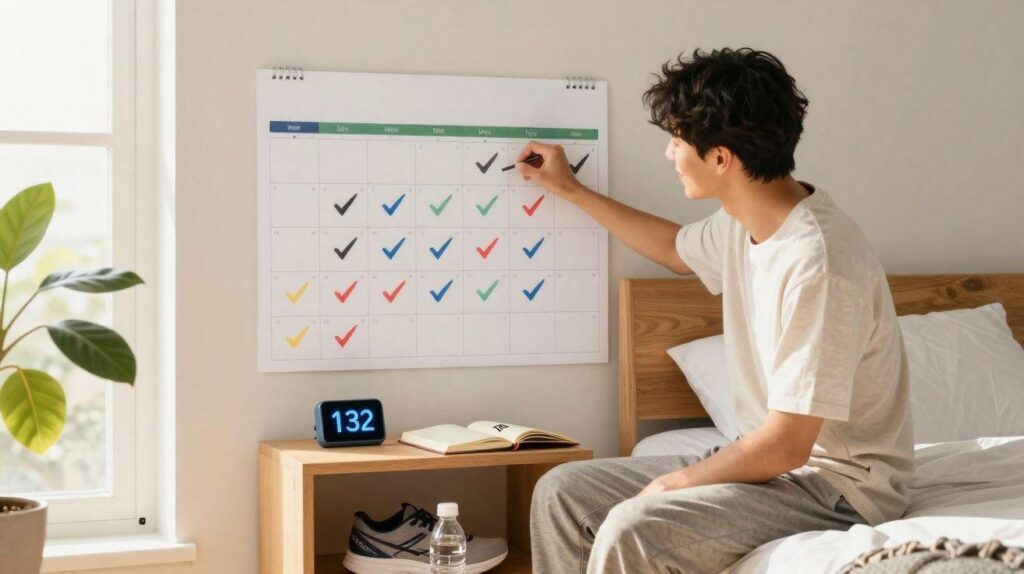
Step three: Track it somewhere visible
I used a simple habit tracker app called Habitica for a while, though honestly a plain paper calendar with X marks works just as well. There’s something satisfying about not breaking the chain.
Step four: Expect to miss a day
You will. I did, plenty of times. The mistake most people make is treating one missed day as total failure and quitting altogether. One missed day is just one missed day. Two in a row is where the habit actually starts slipping.
Step five: Add the next habit only once the first feels boring
Boring is good here. Boring means automatic. Once brushing teeth and doing pushups felt like nothing, I added a short walk after lunch.
Nutrition Habits That Aren’t About Dieting
I want to be clear here. This isn’t about cutting carbs or following some restrictive meal plan. It’s about eating in a way that doesn’t leave you feeling like garbage two hours later.

Eat Actual Breakfast
Skipping breakfast used to feel productive to me, like I was saving time. In reality, it just meant I was starving by 11 AM and would eat whatever was closest, which was usually vending machine food.
Now I keep it simple. Eggs and toast, or overnight oats I prep the night before using a mason jar. Takes two minutes to prepare and actually keeps me full until lunch.
Slow Down While Eating
This sounds almost too simple to matter, but eating while scrolling through my phone meant I’d finish a meal without even tasting it, then feel hungry again an hour later.
Now I try to actually sit at a table, even for lunch at work, without a screen in front of me. My portions naturally got smaller because I actually noticed when I felt full.
Keep Snacks Visible and Boring-Proof
If chips are in the pantry, I eat chips. If cut-up fruit and nuts are on the counter in a bowl, I eat those instead. It’s not about willpower. It’s about making the healthier option the easier option.
Evening Habits for Better Sleep
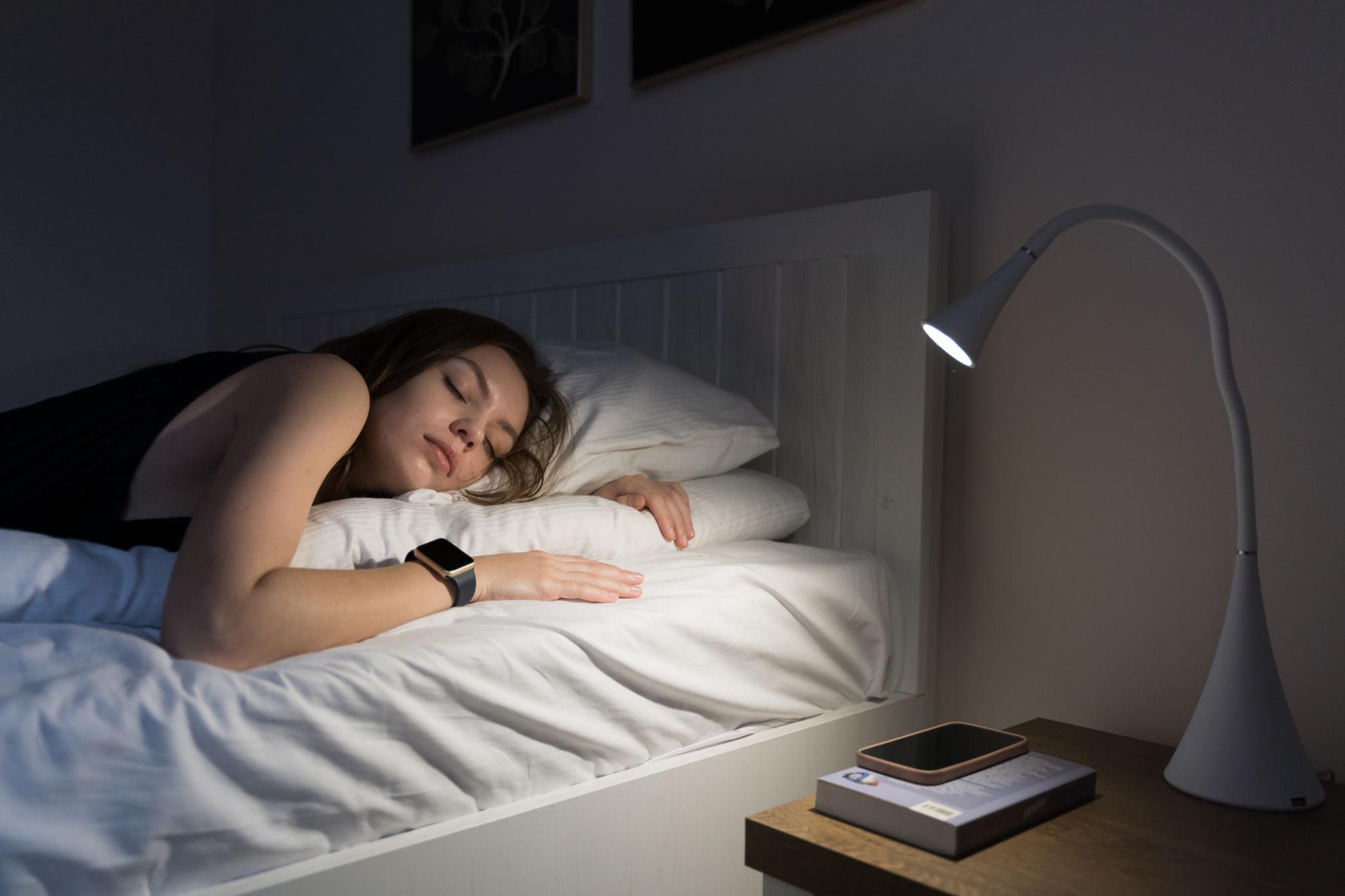
Sleep was my biggest struggle for years. I’d lie in bed scrolling TikTok until 1 AM, then wonder why I felt awful the next morning.
Set a Screen Cutoff Time
I now stop using my phone about forty-five minutes before bed. Not because some app told me to, but because I noticed my sleep genuinely improved when I did this consistently for a couple of weeks.
I used the Sleep Cycle app for a while to track my sleep quality, and the difference between nights with late scrolling versus nights without was honestly kind of shocking.
Keep a Consistent Bedtime
Going to bed at wildly different times each night confuses your body’s internal clock more than people realize. I picked 10:30 PM as my target and stuck with it, even on weekends, give or take thirty minutes.
Write Down Tomorrow’s To-Do List
This one fixed my racing thoughts at bedtime. Instead of lying awake thinking about everything I needed to do the next day, I started jotting it all down in a notebook before turning off the lights. My brain seemed to relax once the list was out of my head and onto paper.
Real Example: My First Month Trying This
Week one, I only focused on drinking water first thing in the morning and going to bed at a consistent time. That’s it. Nothing else changed.
By week two, I added the phone-free first ten minutes of the day. Honestly, I almost gave up on this one because it felt awkward at first, like I was wasting time just sitting there.
Week three, I started the two-minute breakfast prep habit. This is when I noticed my afternoon energy crashes basically disappeared.
By week four, walking after lunch became automatic. I didn’t have to convince myself to do it anymore. My legs just started moving toward the door around 1 PM.
None of this was dramatic. There wasn’t a single day where I felt transformed. But looking back at that first month compared to now, the difference is significant.
Common Mistakes People Make (I Made Most of These)
Trying to change everything at once. I tried this exact approach back in 2022. Lasted four days before I gave up completely and felt worse than before I started.
Relying purely on motivation. Motivation fades. Systems and routines don’t need motivation once they’re built into your day.
Punishing yourself for missed days. I used to spiral into guilt over one skipped workout, which somehow always turned into skipping a whole week.
Copying someone else’s exact routine. What works for a fitness YouTuber with three hours of free time daily probably won’t work for someone with a full-time job and kids. Build something that fits your actual life.
Ignoring sleep while focusing only on diet and exercise. I did this for over a year. Turns out sleep affects everything else, including how much willpower you have to stick with other habits.
Buying too many tools before starting. I once bought a fancy fitness tracker, three different meditation apps, and a meal prep subscription all in the same week. Used none of them consistently. Start simple, add tools later if you actually need them.
A Few Tools Worth Mentioning
None of these are required, but they helped me personally along the way.
Google Fit or Apple Health for basic step tracking, since most phones already have this built in anyway.
MyFitnessPal if you want to understand what you’re actually eating without necessarily counting every calorie forever.
Forest app if you struggle with phone distraction during work or study hours. It’s oddly motivating watching a little digital tree grow.
A basic notebook. Sounds old-fashioned, but writing habits down by hand made them stick more than any app ever did for me.
Final Thoughts
There’s no perfect version of a healthy routine that works identically for everyone. What I’ve shared here is just what worked for me after a lot of trial and error, plenty of missed days, and honestly a fair amount of stubbornness to keep trying even when nothing seemed to change at first.
Start with one habit. Give it two weeks before judging whether it’s working. Stack the next one only when the first feels almost automatic.
Your version of this routine might look completely different from mine, and that’s fine. The goal was never perfection. It was just feeling a little better each day than you did before, one small habit at a time.