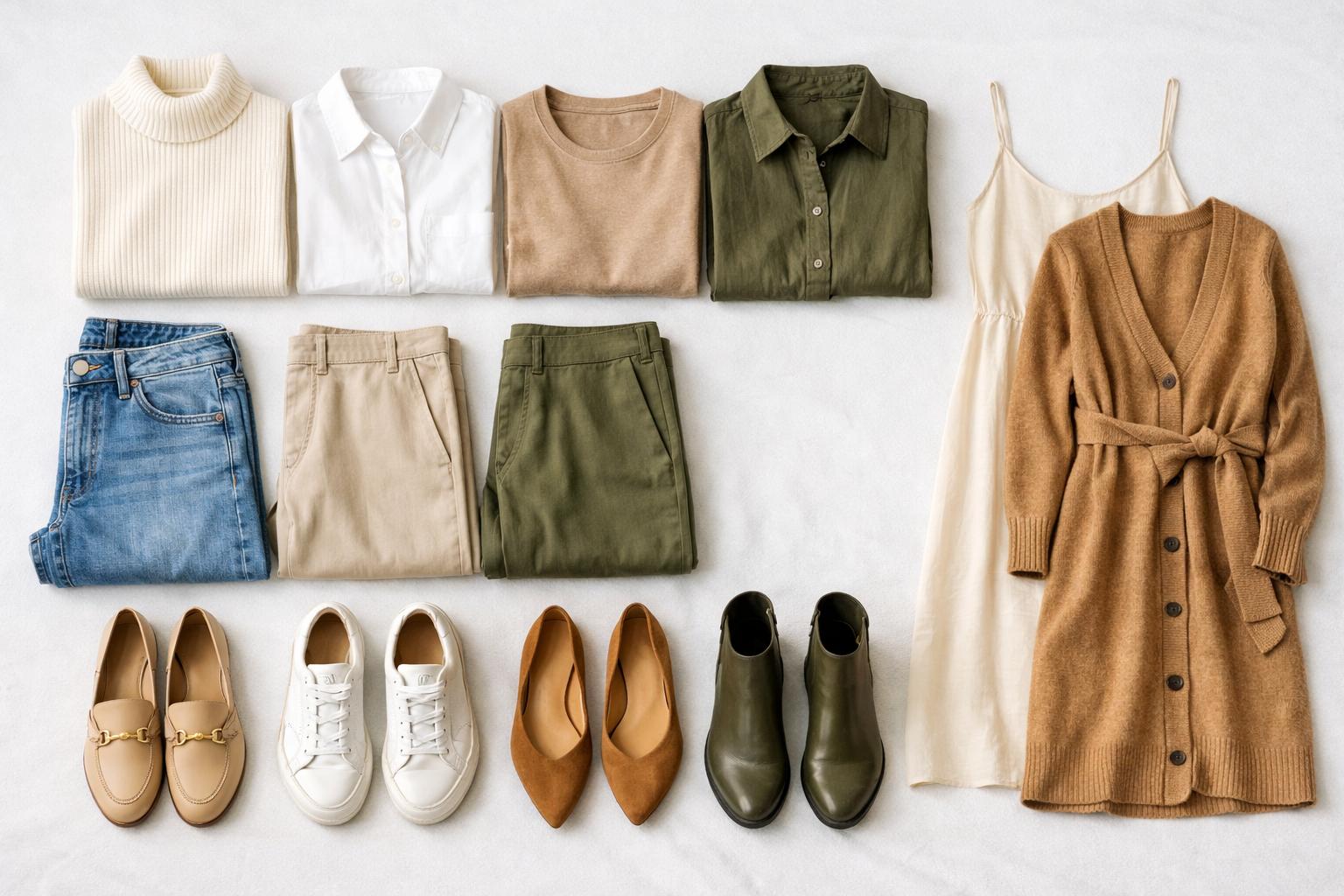

A coworker once stopped me in the hallway and asked where I bought my “new outfit.” It was the same button-down shirt and jeans I’d worn a dozen times before, except that day I’d tucked the shirt in a different way and added a belt I usually forgot existed. Nothing new, just styled differently.
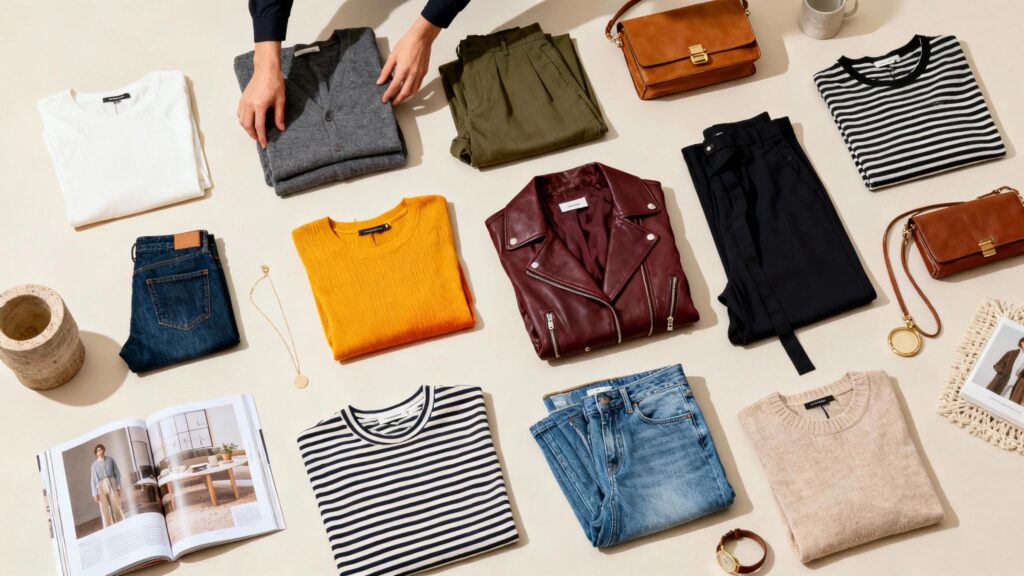
That moment stuck with me. I realized most of my closet wasn’t the problem. My styling habits were. I owned plenty of decent clothes but kept wearing them the exact same boring way every single time.
Since then I’ve picked up a bunch of small tricks that make old clothes look new again, most of them by accident, some from friends, a few from watching tailors work their magic on pieces I thought were unsalvageable. None of these require a shopping trip. That’s kind of the whole point.
Why Small Styling Changes Matter More Than New Clothes
Buying new clothes feels like the obvious fix when an outfit feels stale. I fell into that trap constantly, swiping through online stores during boring meetings, adding things to my cart that ended up sitting unworn once they arrived.
The truth is most outfits fail because of styling, not because the actual pieces are bad. A shirt left untucked and loose can look sloppy, while the same shirt tucked in and paired with a belt suddenly looks intentional. Same clothes, completely different impression.
Once this clicked for me, my shopping habits actually slowed down. I started experimenting with what I already owned before assuming I needed something new.
Quick Hacks That Instantly Upgrade an Outfit
The Half Tuck
I learned this from a friend who always looked effortlessly put together despite wearing pretty simple clothes. She tucks the front of her shirt in loosely while leaving the back untucked, which creates shape without looking overly formal.
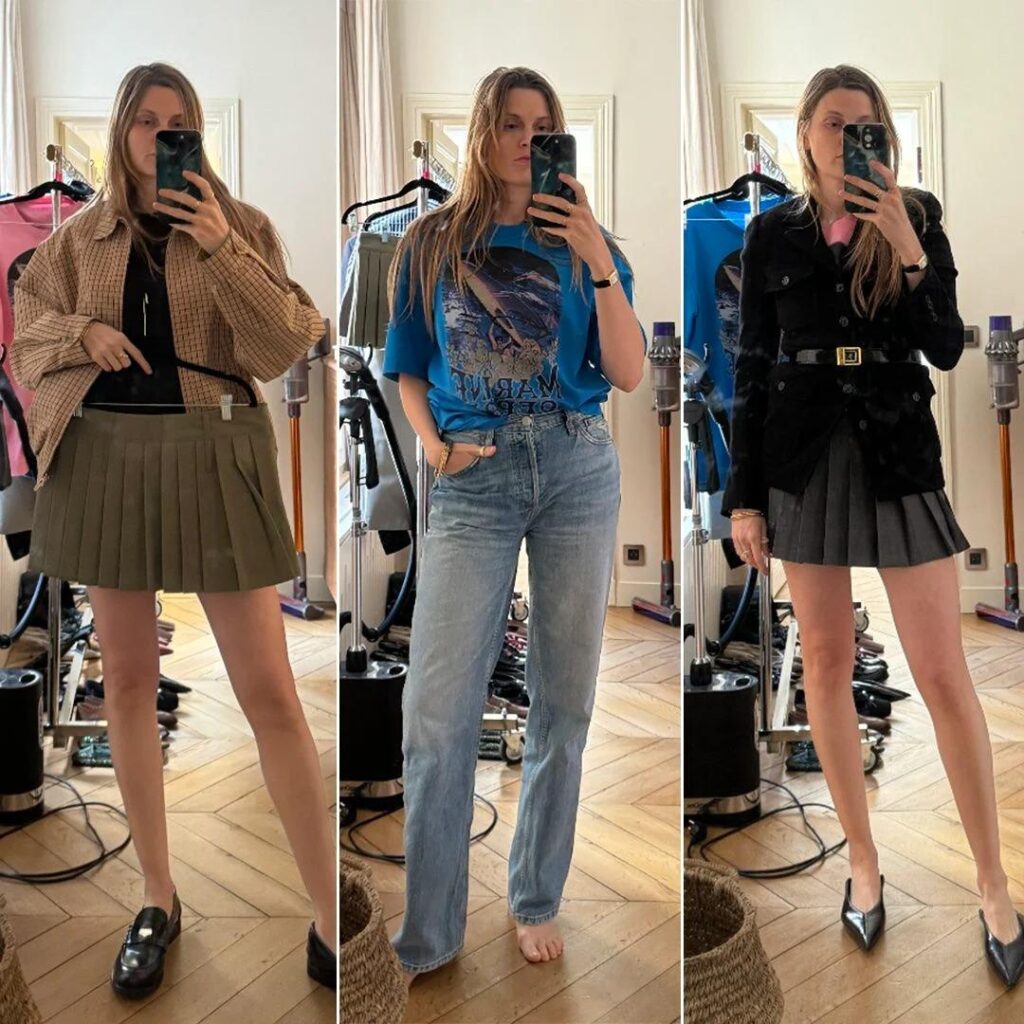
I was skeptical at first, honestly it felt like a hassle for something so small. But trying it with a plain white tee and jeans instantly made the outfit look more finished, without adding a single new item.
Belt It, Even If You Don’t Need To
I used to think belts were purely functional, something you wore only if your pants were loose. Turns out a belt can completely change the silhouette of an outfit, even with jeans that fit fine on their own.
Adding a thin belt to a flowy dress creates a defined waistline instantly. I did this with an oversized shirt dress that always felt shapeless, and suddenly it looked like a completely different piece.
Roll Your Sleeves
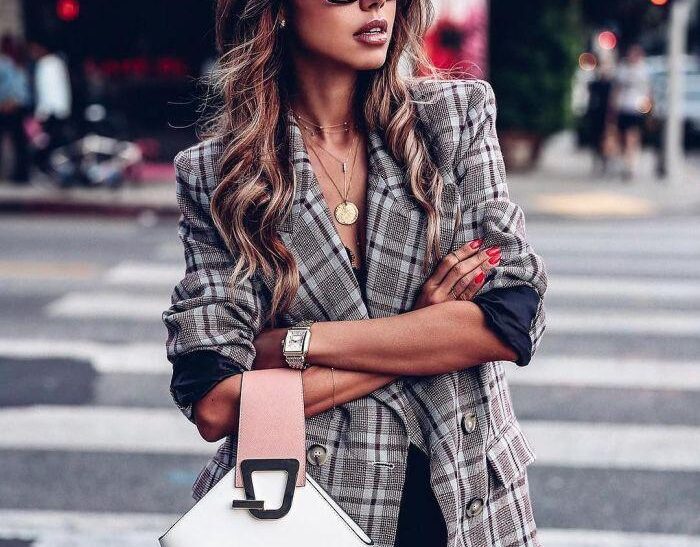
This sounds almost too simple to mention, but rolling sleeves on a button-down or blazer changes the whole vibe of an outfit. Sleeves pushed down can look a bit stiff and formal, while rolled sleeves feel more relaxed and put together.
I do this constantly with blazers now. Cuffs rolled up just below the elbow instantly makes even a basic black blazer feel less like office wear and more like something I chose on purpose.
Layer With Contrast
Pairing pieces with contrasting textures, like a chunky knit sweater over a silky slip dress, adds visual interest without needing extra accessories. I stumbled onto this by accident one cold evening when I threw a cardigan over a dress I’d normally only wear in summer, and it ended up becoming one of my favorite combinations.
Cuff Your Jeans
A simple cuff at the ankle can completely change how jeans look with shoes. I started doing this with straight-leg jeans and white sneakers, and it made outfits look noticeably more current without buying a single new pair of pants.
Step-by-Step: Restyling Clothes You Already Own
Here’s a simple process I use whenever my closet starts feeling stale.
Step one: Pull out five pieces you haven’t worn recently
Grab whatever’s been sitting untouched for a month or more. These are usually pieces you’ve mentally written off as boring or unflattering.
Step two: Try one small change per piece
Tuck something differently, add a belt, roll the sleeves, or swap the shoes you’d normally pair with it. Just one change at a time so you can actually notice what’s working.
Step three: Photograph the results
I know this feels a little vain, but taking a quick photo helps you see the outfit the way other people will, rather than just how it feels standing in front of a mirror. I use my phone camera and just glance back at the photos later.
Step four: Build a mini lookbook
I keep a private Pinterest board just for outfit combinations that worked well, so I don’t forget them later. It sounds excessive, but on rushed mornings, having a visual reference saves real time.
Step five: Repeat with different pieces monthly
Once a month, I run through this same process with a different batch of clothes. It keeps my wardrobe feeling fresh without spending money on anything new.
Accessories That Punch Above Their Weight
Statement Earrings
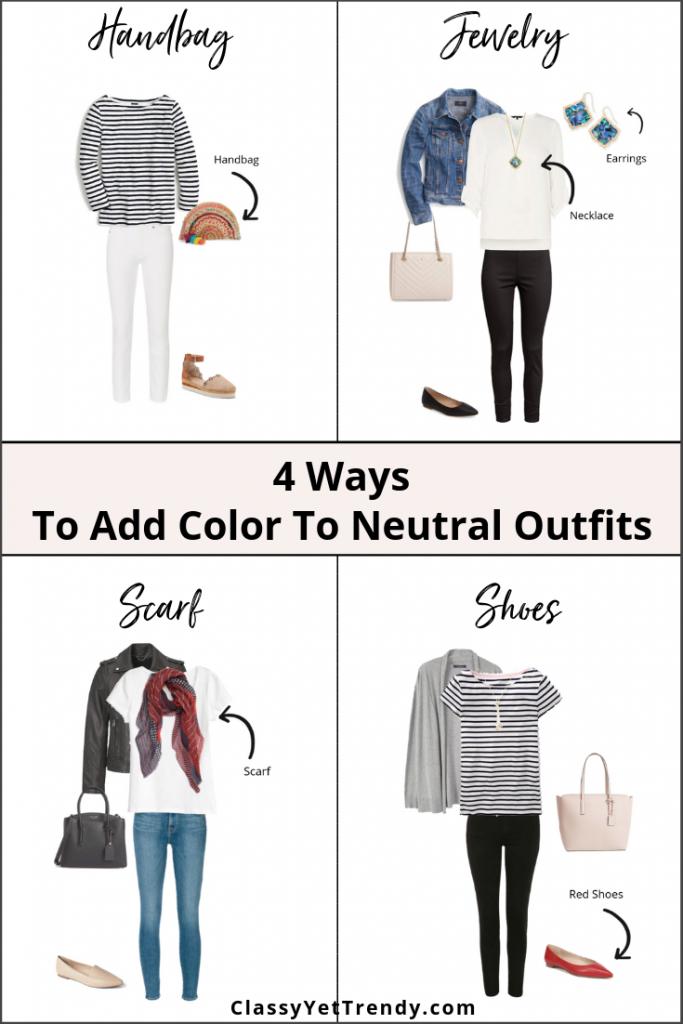
A plain outfit instantly looks more finished with a bold pair of earrings. I keep two or three statement pairs on rotation, gold hoops for most days, something more colorful for when I want extra personality.
A Structured Bag
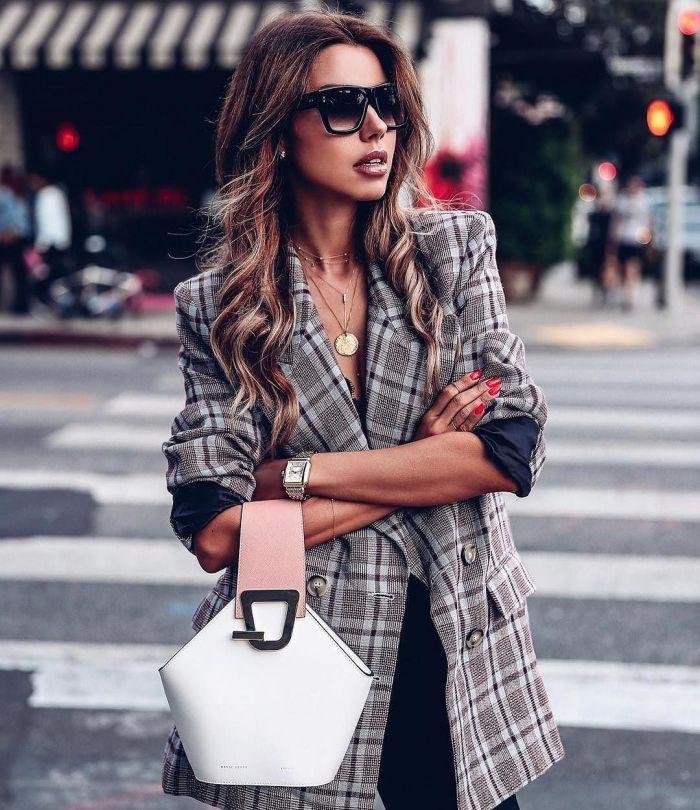
Swapping a slouchy tote for a structured handbag can make even casual outfits look sharper. I noticed this most clearly when I started carrying a small structured crossbody instead of my usual canvas bag, and people actually commented that I looked more put together, despite wearing basically the same clothes.
Scarves as Multi-Use Tools
A scarf isn’t just for cold weather. I’ve tied one around my neck, my bag strap, and even my ponytail to add a pop of pattern to an otherwise plain outfit. One scarf, at least four different uses.
Real Example: My Five-Piece Challenge
A few months back I challenged myself to restyle five basic pieces I already owned, a white tee, black jeans, a denim jacket, a plain black dress, and white sneakers, using only tricks and no new purchases.
The white tee got the half tuck treatment with the black jeans and a thin belt, paired with the denim jacket rolled at the sleeves. Same tee later got tucked fully into the black dress as a layering piece underneath, something I’d never tried before.
The black dress alone became three different outfits just by swapping accessories and layering pieces I already owned, a denim jacket for casual days, statement earrings and heels for something dressier, and the scarf tied around my waist for an entirely different silhouette.
By the end of that week, five basic items had produced roughly a dozen outfits that all felt distinct. Nothing new was purchased, just styled differently.
Common Mistakes to Avoid
Assuming an outfit needs something new to look better. I fell into this trap for years, buying pieces when a simple styling adjustment would have solved the problem for free.
Overdoing the accessories. Piling on every accessory at once usually looks cluttered rather than intentional. I learned to pick one focal point, either bold earrings or a statement bag, rarely both at the same time.
Ignoring proportions. Pairing an oversized top with equally loose bottoms can drown your shape entirely. Balancing loose pieces with something more fitted, like tucking a baggy top into fitted pants, usually looks more flattering.
Forgetting to try things on before committing. I’ve ruined more than one outfit attempt by assuming something would work without actually trying it on first. A quick mirror check saves a lot of last-minute outfit changes.
Copying trends without adjusting for your own style. Some styling hacks look great on influencers but feel forced when applied without any personal adjustment. I’ve learned to take inspiration and tweak it rather than copying exactly.
A Few Tools Worth Mentioning
Pinterest, specifically for building private outfit boards you can reference quickly on rushed mornings.
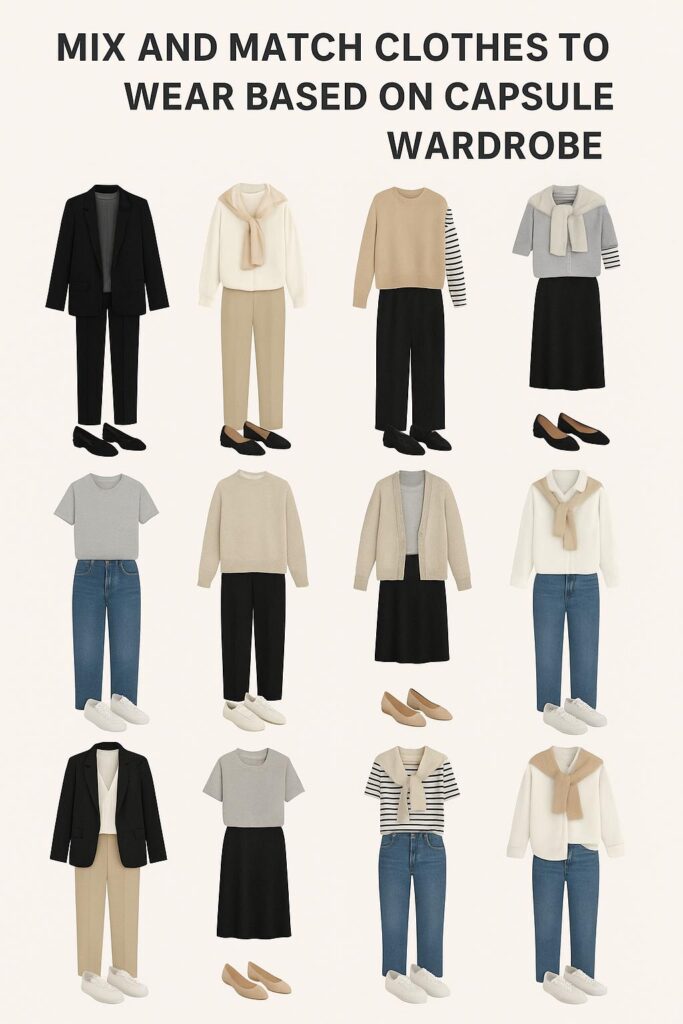
Stylebook app, which I’ve mentioned before, works well for cataloging your closet and experimenting digitally with combinations before committing to an actual outfit.
A basic clothing steamer instead of an iron speeds up prep time significantly when restyling wrinkled pieces pulled from storage.
Safety pins or small fashion tape, both cheap and genuinely useful for quick fixes like securing a loose tuck or adjusting a neckline on the fly.
Final Thoughts
Looking better in your clothes rarely requires buying more of them. Most of the time, it just requires seeing what you already own with slightly fresh eyes and trying something you haven’t attempted before.
Start with one hack this week, maybe the half tuck or a belt you’ve been ignoring in a drawer. Notice how it changes the way an outfit feels, then build from there.
Fashion doesn’t have to be complicated or expensive to feel intentional. Sometimes the biggest difference comes from small adjustments to clothes that were sitting in your closet the entire time.