

What Actually Works When You’re Not a Morning Person
My alarm used to go off at 6:45am, and I’d hit snooze four times before dragging myself out of bed at 7:20, already stressed, already behind. I’d grab whatever coffee was closest, scroll my phone on the toilet, and walk out the door feeling like the day had already won.
That went on for years. I told myself I just wasn’t a morning person, like it was some fixed trait I couldn’t change. Turns out that wasn’t really true. What I had was a bad routine, not a bad personality.
It took me about three months of trial and error, plenty of failed attempts, and a few genuinely embarrassing mornings to figure out a routine that actually stuck. I want to walk you through what worked, what didn’t, and why most morning routine advice online sounds great but falls apart the second real life happens.
Why Most Morning Routine Advice Doesn’t Work
Half the articles out there make it sound like you need to wake up at 5am, meditate for twenty minutes, journal three pages, do a cold plunge, and drink celery juice before 6:30. That’s not a routine, that’s a full-time job stacked on top of your actual job.
I tried a version of this once. Woke up at 5:15am, did yoga, made a smoothie, journaled, the whole thing. Lasted four days before I was so exhausted by 2pm that I fell asleep at my desk during a meeting. Not my proudest moment.
The truth is, a good morning routine has to fit your actual life, not some influencer’s curated version of theirs. Someone without kids, without a commute, or without a job that starts at 7am has way more flexibility than most of us do. So instead of copying someone else’s exact routine, the better approach is understanding the pieces that matter and building something around your own schedule.
The Night Before Matters More Than You Think
This one surprised me. I spent months trying to fix my mornings while completely ignoring my nights, and it barely worked.

Your morning basically starts the night before. If you’re staying up until midnight scrolling Instagram, no amount of morning motivation is going to make waking up at 6am feel good.
Set Up Tomorrow Before You Sleep
Small stuff makes a bigger difference than it seems like it should. Laying out clothes, prepping your coffee maker, or packing your bag the night before removes a bunch of tiny decisions that otherwise eat up mental energy first thing in the morning.
I started using the Sleep Cycle app to track when I was actually falling asleep versus when I thought I was. Turns out I was going to bed around 11:45pm most nights while telling myself it was 11pm. The app’s alarm feature, which wakes you during a lighter sleep phase within a chosen window, also made waking up feel less like getting yanked out of a coma.
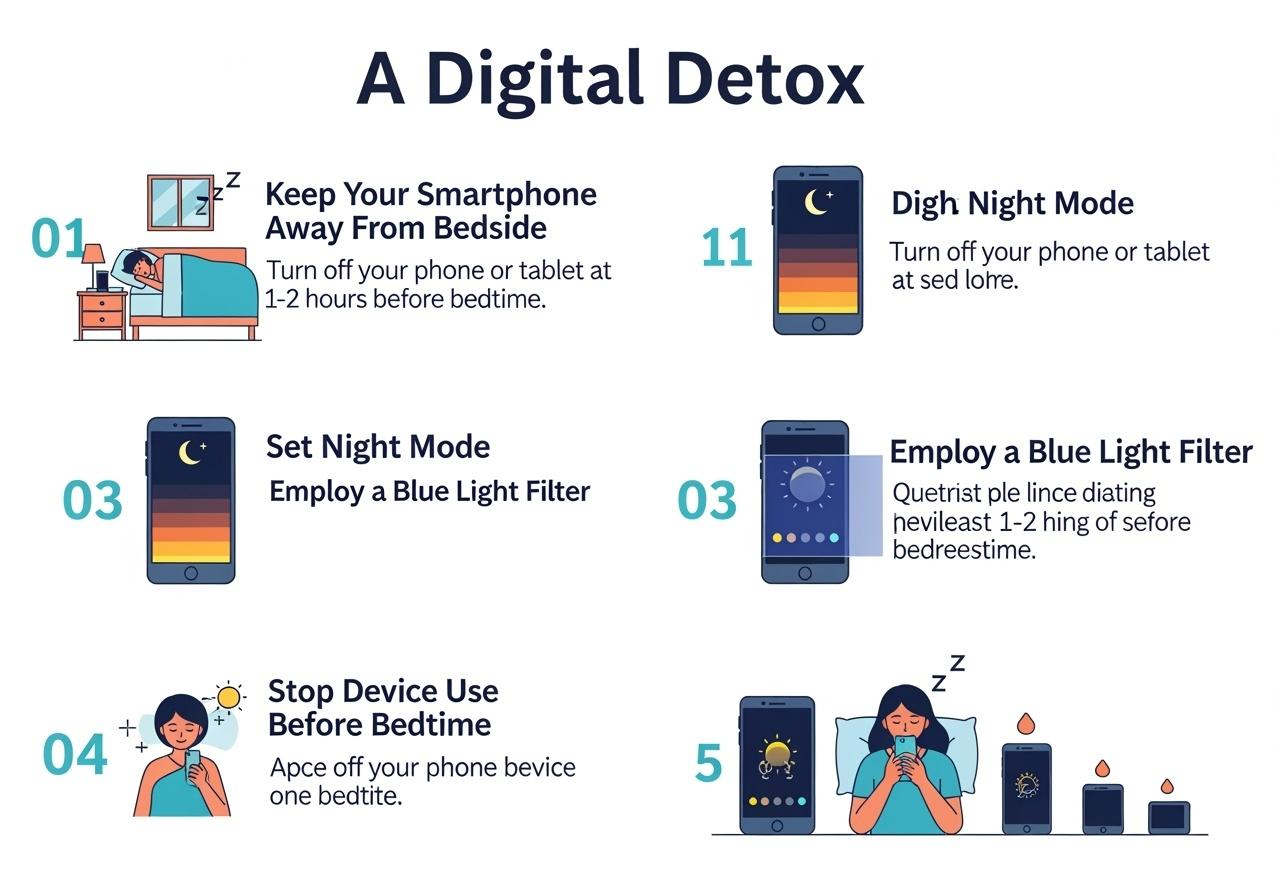
Cut Off Screens Earlier Than Feels Necessary
I know, everyone says this, and it’s annoying to hear again. But there’s a real reason it keeps coming up. Blue light exposure late at night messes with melatonin production, the hormone that helps you actually feel sleepy.
I started putting my phone on a charger across the room at 10:30pm instead of next to my pillow. The first week felt weird, almost like I was missing something. By week two, I was falling asleep faster and waking up before my alarm most days.
Building the Actual Morning Routine
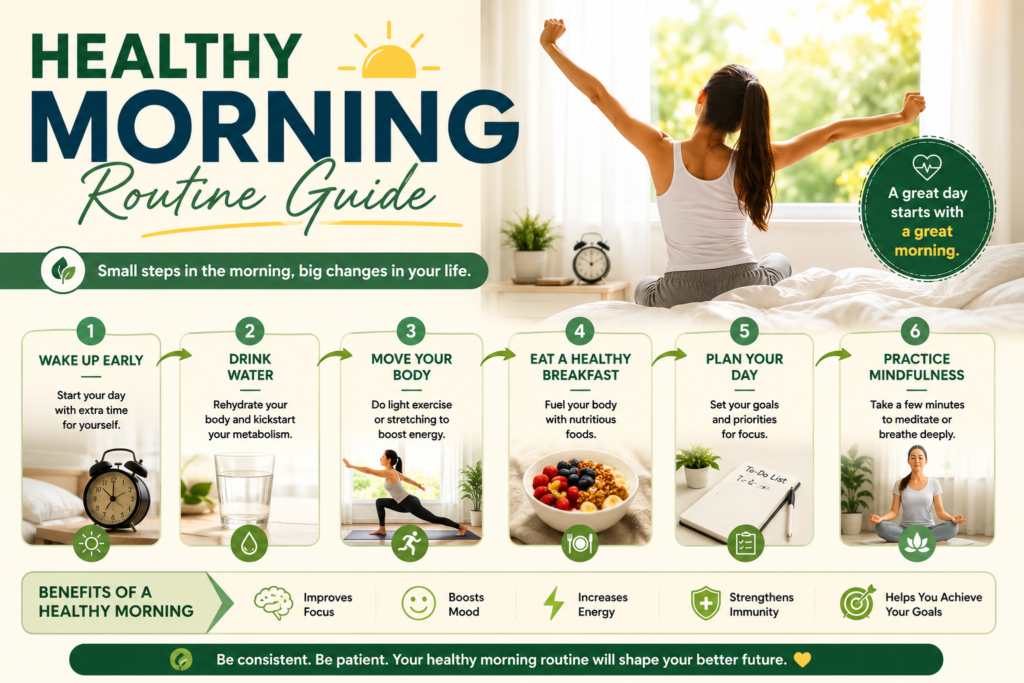
Once my sleep got more consistent, building the morning routine itself got a lot easier. Here’s the structure I landed on, broken into steps you can actually adjust based on how much time you have.

Step One: Don’t Touch Your Phone for the First 20 Minutes
This was the hardest habit to build, and also the one that made the biggest difference. Checking email or social media the second you wake up floods your brain with other people’s priorities before you’ve even figured out your own.
I moved my phone charger out of my bedroom entirely. Now I use an actual alarm clock, a cheap one I got for about fifteen dollars, and my phone stays in the kitchen until I’ve had coffee.
Step Two: Get Light on Your Face Early
Natural light exposure within the first thirty minutes of waking helps regulate your circadian rhythm, which basically means your body clock knows it’s time to be awake. I open my blinds immediately, and on darker winter mornings, I sit near a light therapy lamp while drinking coffee. Mine’s a basic one from Amazon, nothing fancy, and it genuinely helps on the gray days.
If you can step outside for even five minutes, even better. I started walking to the end of my driveway and back most mornings, coffee in hand, just to get some actual daylight before starting my day.
Step Three: Move Your Body, Even a Little
I used to think this meant a full workout, and that expectation is exactly what kept me from doing anything at all. Some mornings I do a real workout. Most mornings I do ten minutes of stretching or a short walk.
The goal isn’t fitness, it’s waking your body up. Movement increases blood flow and genuinely makes you feel more alert than caffeine alone does, even though that sounds like something a wellness blog would say. I was skeptical too until I actually tried it consistently for a couple weeks.
Step Four: Eat Something With Actual Protein
For years my breakfast was just coffee, sometimes a granola bar if I remembered. By 10am I’d be starving and irritable, snapping at coworkers over nothing.
Adding protein to breakfast changed that more than anything else on this list. Eggs, Greek yogurt, or a protein shake if mornings are rushed. I keep a container of plain Greek yogurt with berries and a spoonful of peanut butter as my go-to when I’m short on time. It takes ninety seconds to put together and actually keeps me full until lunch.
Step Five: Do One Thing for Yourself Before Working
This can be reading a few pages of a book, journaling, stretching, or just sitting with your coffee in silence for five minutes. The point is having something in your morning that belongs to you before the demands of work, kids, or emails take over.
I use a simple notebook, nothing digital, and write down three things on my mind before I open my laptop. Some days it’s a full page. Some days it’s one sentence. Either way, it creates a small buffer between waking up and diving into everything else.
Real Example: My Actual Weekday Routine
Here’s what this looks like in practice on a normal Tuesday.

I wake up around 6:30am to an actual alarm clock, not my phone. First ten minutes, no screens, just splashing water on my face and opening the blinds. I make coffee and sit near my window or outside if the weather’s decent.
While drinking coffee, I do a quick five-minute stretch, nothing intense. Then breakfast, usually eggs or yogurt with something protein-heavy, eaten at my kitchen table instead of standing at the counter.
Around 6:55am, I write a few lines in my notebook. By 7:10am, I check my phone for the first time, respond to anything urgent, and start getting ready. Out the door by 7:45am, feeling like I actually started my day instead of getting steamrolled by it.
That’s it. No elaborate rituals, no five-step skincare routine, no meditation app subscriptions I forgot to cancel. Just a handful of small habits stacked together.
What This Looks Like With Kids or a Tight Schedule
I hear from friends with young kids that this all sounds nice in theory but impossible in reality, and I get it. Mornings with kids are chaos, and a peaceful solo routine sounds like fiction.

A friend of mine with two young kids adjusted this by waking up just twenty minutes before her kids usually do. That’s it, twenty minutes. She uses that window for coffee, a few stretches, and looking out the window before the house wakes up. It’s not the full routine, but it’s enough to feel like the day started on her terms rather than immediately reacting to someone else’s needs.
The lesson here is that the routine should scale to your actual life. Twenty minutes of intentional morning time beats zero minutes every single time, even if it’s nowhere close to some ideal version you saw online.
Common Mistakes People Make (I’ve Made Most of These)
Trying to change everything at once is probably the biggest one. I did this myself, attempting five new habits simultaneously, and burned out within a week. Building one habit at a time, giving it a couple weeks to feel normal before adding another, works far better even though it feels slower.
Setting an unrealistic wake-up time is another common trap. Jumping from waking at 7:30am to suddenly waking at 5am rarely sticks. Shifting your alarm by fifteen minutes every few days works with your body instead of against it.
Skipping the night routine while obsessing over the morning routine undermines the whole thing. You genuinely cannot out-routine a bad night’s sleep. If you’re going to bed at 1am, no amount of morning journaling will fix how exhausted you feel.
Making the routine too rigid also backfires. Some mornings will get disrupted. A sick kid, a late meeting, a bad night’s sleep, whatever it is. Beating yourself up over a missed morning routine just adds stress to an already stressful day. Missing a day doesn’t erase progress, it’s just a day.
Relying entirely on willpower instead of removing friction is another trap I fell into. Willpower runs out, especially early in the morning when your brain is still half asleep. Setting things up the night before, keeping your running shoes by the door, prepping breakfast ingredients, removes the need for willpower altogether.
Adjusting the Routine as Life Changes
What worked for me a year ago isn’t exactly what works now. Seasons change, work schedules shift, and sometimes life just gets harder for a while. The routine that helped during a calm stretch might need trimming during a chaotic one.
During a particularly stressful few months at work, I dropped the stretching and notebook entirely and just focused on sleep and protein at breakfast. That was enough to keep me functioning without adding more pressure to an already overwhelming season. Once things settled, I added the other pieces back gradually.
Treating the routine as flexible rather than a strict checklist made it something I could actually sustain long term, instead of another thing to feel guilty about when life got messy.
Final Thoughts
The version of me who used to hit snooze four times and start every day already behind didn’t need more discipline or a fancier planner. What actually changed things was building small, realistic habits that fit an actual, imperfect life, and giving myself room to adjust when things didn’t go as planned.
If you’re starting from scratch, don’t try to build the whole routine overnight. Pick one thing, maybe it’s keeping your phone out of the bedroom or adding protein to breakfast, and just do that consistently for two weeks. Once it feels automatic, add the next piece.
Mornings were never going to become magical just because I read enough articles about them. What changed things was showing up for a handful of small habits, most mornings, even the messy ones.