

What Actually Helped Me Stop Dreading Mondays
Sunday used to hit me like a wall. Around 4pm, this heavy feeling would creep in, that dread of the week ahead before it had even started. I’d spend the whole weekend catching up on chores or scrolling my phone. Somehow I’d still feel exhausted by Monday morning.

It took a while to realize the problem wasn’t that I needed more rest. I was resting wrong. Passive scrolling and endless errands don’t actually recharge anyone, they just fill time.
Once I started being intentional about weekends, everything shifted. Not in some dramatic life-changing way, just small adjustments that made Sunday nights feel a lot less heavy. Here’s what I learned, including the stuff that didn’t work at first.
Why Most Weekends Don’t Actually Recharge You
Rest and recovery aren’t the same thing as doing nothing. This sounds obvious written out, but I lived most of my twenties assuming a weekend spent horizontal on the couch counted as recharging.
Real recovery involves a mix of things. Physical rest, mental breaks from decision-making, and some kind of activity that actually engages you rather than just distracts you. Scrolling social media checks none of those boxes, even though it feels relaxing in the moment.
Researchers who study burnout talk about this gap constantly. Passive activities give you a dopamine hit but leave your brain just as depleted afterward. Active recovery, even something small, tends to leave people feeling genuinely restored instead of just distracted.
Morning Activities That Set the Tone
A Slow Coffee Without a Screen
This sounds almost too simple to mention, but it made a bigger difference than I expected. I used to grab coffee and immediately check my phone, scrolling through messages and news before I was even fully awake.

Now I sit with coffee for fifteen minutes, no phone involved. Sometimes I stare out the window. Sometimes I just think. It’s not meditation exactly, just a buffer before the day’s noise starts.
A Short Walk Before Anything Else
I resisted this one for a long time because mornings already feel rushed enough without adding a walk into the mix. Turns out even ten minutes outside before checking email changes how the whole day feels.
Fresh air and movement wake up your body in a way caffeine alone can’t replicate. I started doing this on Saturdays specifically, treating it as the unofficial start of my weekend rather than another item on a to-do list.
Cooking a Proper Breakfast Instead of Grabbing Something Fast
Weekday mornings are rushed by necessity. Weekends don’t have to be. I started cooking an actual breakfast on Saturdays, nothing elaborate, just eggs and toast made without checking the clock every two minutes.
This small shift signals to my brain that the weekend operates differently than the workweek. That mental separation matters more than people give it credit for.
Activities That Genuinely Recharge Your Energy
Getting Outside, Even Briefly
I live in a city without easy access to hiking trails or big green spaces. For a long time, I assumed “getting outside” wasn’t really an option for weekend recharging. A local park, even a small one, does more than I expected.
Twenty minutes sitting on a bench with no phone works better than an hour scrolling indoors. Sunlight exposure and fresh air genuinely shift your mood, and you don’t need a dramatic nature escape to get the benefit.
Trying Something With Your Hands
Screens dominate most of our weekdays, so weekends benefit from activities that pull you away from that entirely. I picked up basic woodworking a while back, nothing fancy, just small projects using tools from a beginner kit.
The specific hobby doesn’t matter as much as the mechanism. Cooking a new recipe, gardening, painting, anything requiring your hands and attention gives your brain a break from constant digital input.
Moving Your Body Without It Feeling Like Exercise
I used to treat weekend exercise like another obligation, forcing myself through a gym session out of guilt rather than enjoyment. Switching to activities that felt more like play than punishment changed everything.
A casual bike ride, a pickup basketball game, even dancing around my kitchen while cleaning. These count just as much as a structured workout. The goal is movement that feels good, not another box to check.
Genuine Social Connection, Not Just Group Texts
Group chats feel like connection, but they rarely deliver the same benefit as actual face-to-face time. I started scheduling one real hangout every weekend, even something small like coffee with a friend. That beats just replying to messages all day.
This became one of the biggest shifts in how recharged I actually felt by Sunday night. Real conversation, even brief, does something a text thread never quite manages.
Step-by-Step: Building a Weekend That Actually Restores You
Here’s the framework I eventually landed on after a lot of trial and error.

Step one: Identify what actually drains you during the week. For me it was constant decision-making and screen time. Your specific drain might be different, physical exhaustion, social overload, or something else entirely. Knowing this shapes what kind of weekend actually helps.
Step two: Plan one activity that directly counters that drain. If decision fatigue wears you down, choose weekend activities that require minimal choices. A familiar hiking trail beats researching a new one. If physical exhaustion is the issue, prioritize rest over movement.
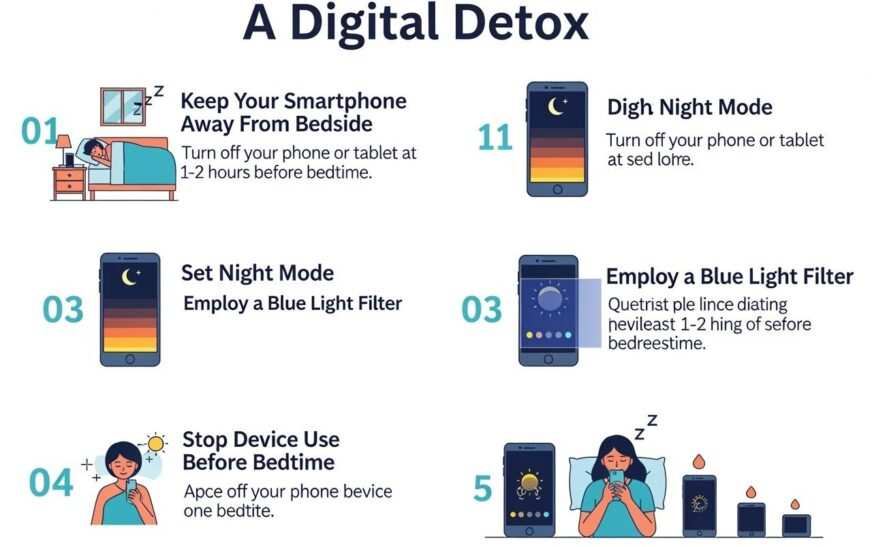
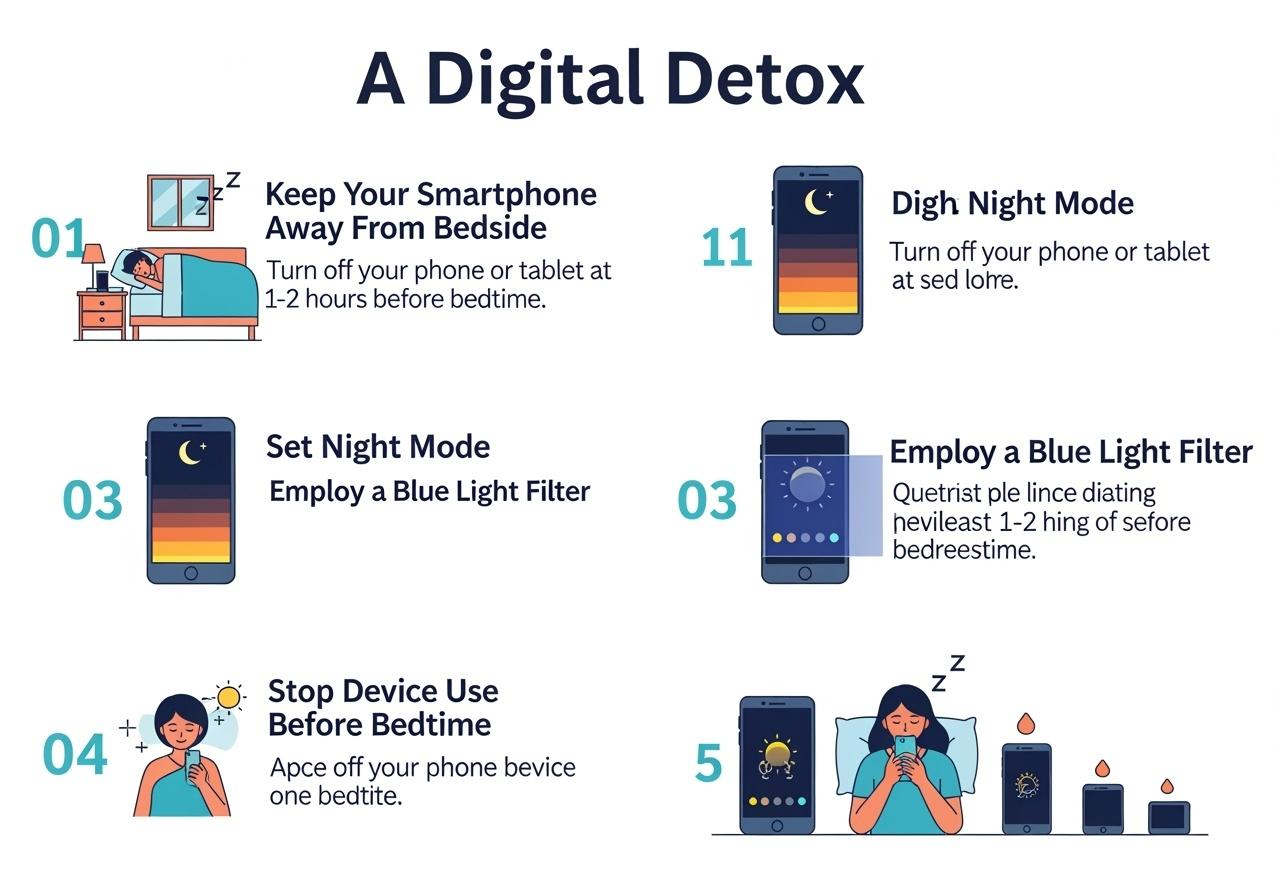
Step three: Protect at least one screen-free block each day. This doesn’t need to be dramatic. Even ninety minutes without a phone nearby creates space for your brain to actually settle instead of staying in constant input mode.
Step four: Include one social activity and one solo activity. Both matter. Too much alone time can tip into isolation, while too much social obligation can feel just as draining as work. Balancing both across the weekend keeps energy levels more even.
Step five: Leave some unstructured time on purpose. I used to overschedule weekends trying to maximize every hour, which backfired constantly. Leaving gaps with nothing planned gives your brain room to actually rest instead of just switching from one obligation to another.
Step six: Do a quick Sunday evening reset. Ten minutes tidying the kitchen, setting out clothes, or writing a short Monday to-do list removes a surprising amount of dread. Walking into Monday without small chaos waiting makes the whole transition smoother.
Real Weekend Examples That Worked for Me
The Saturday Morning Reset
My favorite weekend now starts with coffee on the porch, no phone. Then comes a short walk to a nearby bakery instead of driving. It’s maybe forty-five minutes total, but it completely changes my mood heading into the rest of the day.
The No-Plans Sunday Experiment
I tried leaving an entire Sunday afternoon unplanned instead of filling it with errands. I ended up baking bread on a whim and reading on the couch for two hours, neither of which was on any list. That unstructured stretch left me feeling more rested than any packed itinerary ever did.
The Friend Hangout That Almost Didn’t Happen
I nearly canceled coffee with a friend one Saturday because I felt too tired to leave the house. Going anyway turned into one of the better parts of my week. This taught me that low energy doesn’t always mean you need more alone time, sometimes it means you need actual connection.
The Overscheduled Weekend That Backfired
Early on, I crammed a hike, a grocery run, a dinner party, and a full apartment clean into one Saturday. I thought productivity equaled recharging. I ended Sunday more exhausted than I started the weekend. That mistake taught me the difference between a busy weekend and a restorative one.
Common Mistakes People Make Trying to Recharge
Treating rest as the absence of activity. Doing nothing all weekend often leaves people feeling groggy and unmotivated rather than refreshed. Some form of engagement, even light activity, tends to work better than total inactivity.
Overloading the schedule to “make the most” of the weekend. Packing every hour with plans backfires more often than it helps. Unstructured time matters just as much as planned activities.
Ignoring what specifically drains you during the week. A weekend built around generic advice, hiking, journaling, meditation, won’t help if none of those address your actual source of exhaustion. Match the activity to the specific drain.
Letting phones fill every quiet moment. Reaching for a phone during any lull prevents the mental reset that actual downtime provides. Even short phone-free stretches make a measurable difference.
Skipping the Sunday evening reset entirely. Walking straight from a relaxed Sunday into Monday chaos undoes a lot of the weekend’s benefit. A short prep routine the night before smooths that transition significantly.
Tools and Apps That Made This Easier
Forest helps me stick to phone-free blocks by gamifying the process, growing a virtual tree as long as I stay off my phone.
AllTrails makes finding short, low-effort walking routes near home simple, which removed the excuse of not knowing where to go.
A basic paper notebook for jotting down a quick Sunday night to-do list. Something about writing it by hand instead of typing it into an app makes the reset feel more complete.
Meetup has been useful for finding casual, low-pressure social activities on weekends when my usual friend group isn’t available.
A kitchen timer for the fifteen-minute screen-free coffee ritual. A visible timer makes the habit easier to stick with than relying on willpower alone.
Final Thoughts
Recharging on weekends isn’t about finding one perfect formula that works for everyone. It’s about noticing what actually leaves you feeling restored versus what just feels like distraction in the moment.
For me, that ended up being a mix of quiet mornings, brief time outdoors, and real conversations. It also meant leaving enough unstructured space to just exist without a plan. None of it looks particularly impressive from the outside, but Sunday nights stopped feeling heavy once I started building weekends this way.
If Mondays have been hitting you harder than they should, try picking just one thing from this list. Test it for a couple weekends before adding anything else. Small changes here add up faster than you’d expect. Eventually the dread that used to creep in by Sunday afternoon starts to fade on its own.