
What Actually Worked After Years of Bad Nights
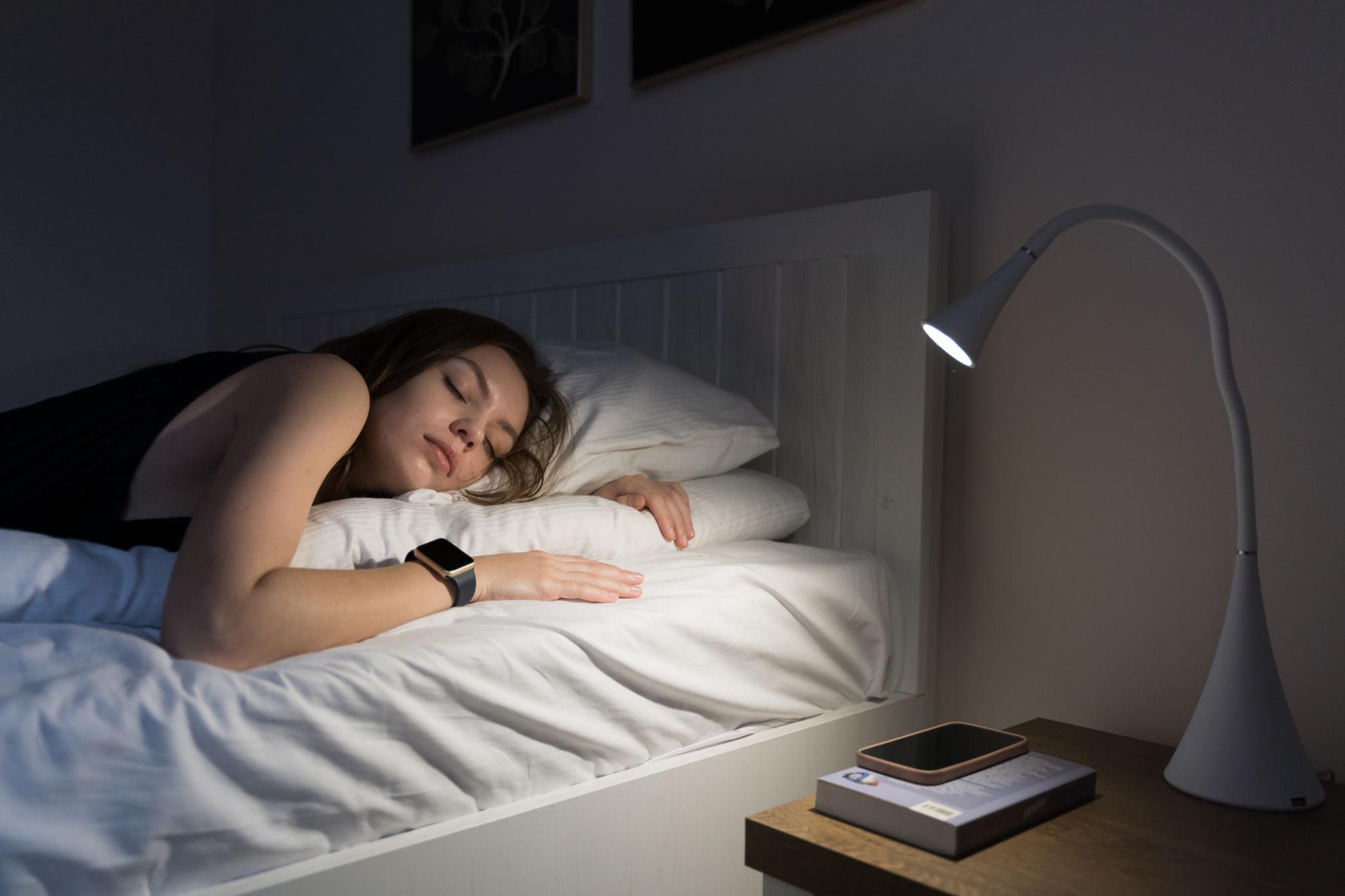
There was a solid stretch of my life where I considered 2am scrolling a personality trait. I’d lie there, phone brightness dimmed but still very much awake. I kept telling myself I’d fall asleep any minute now. Spoiler, I usually didn’t.
It took an embarrassingly long time to admit the problem wasn’t bad luck. Being a “night person” wasn’t the real explanation either. A pile of small habits was quietly wrecking my sleep every single night. Fixing it wasn’t one big dramatic change. It was a bunch of small adjustments that added up over a few months.
If you’re tired of being tired, this is everything I actually tried. I’ll cover what worked, what didn’t, and the mistakes that taught me more than any generic advice article ever did.
Why Sleep Gets Harder to Fix Than It Seems
Most sleep advice sounds simple on paper. Go to bed earlier, put the phone away, relax more. Anyone who’s actually struggled with sleep knows it’s rarely that straightforward.
The real issue is usually a combination of small things stacked on top of each other. It’s rarely one obvious culprit. Late caffeine, inconsistent bedtimes, too much light exposure at night, stress that doesn’t quiet down when the lights go off. Pull on one thread and the rest stays tangled.
That’s why I stopped looking for a single fix. I started treating this like an experiment instead. Change one variable, track what happens, adjust from there. It’s slower than a miracle cure. But it’s the only approach that actually stuck for me long term.
Building a Wind Down Routine That Actually Works
The Ninety Minute Rule Changed Everything
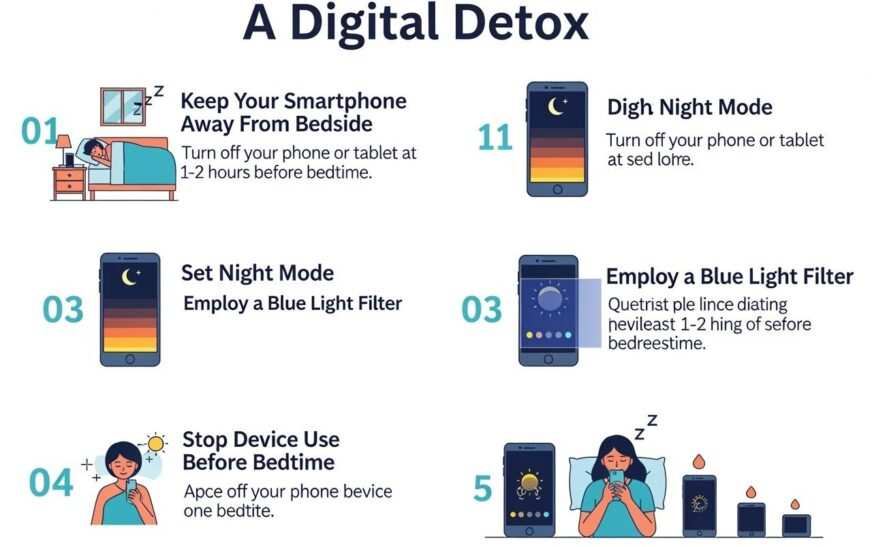
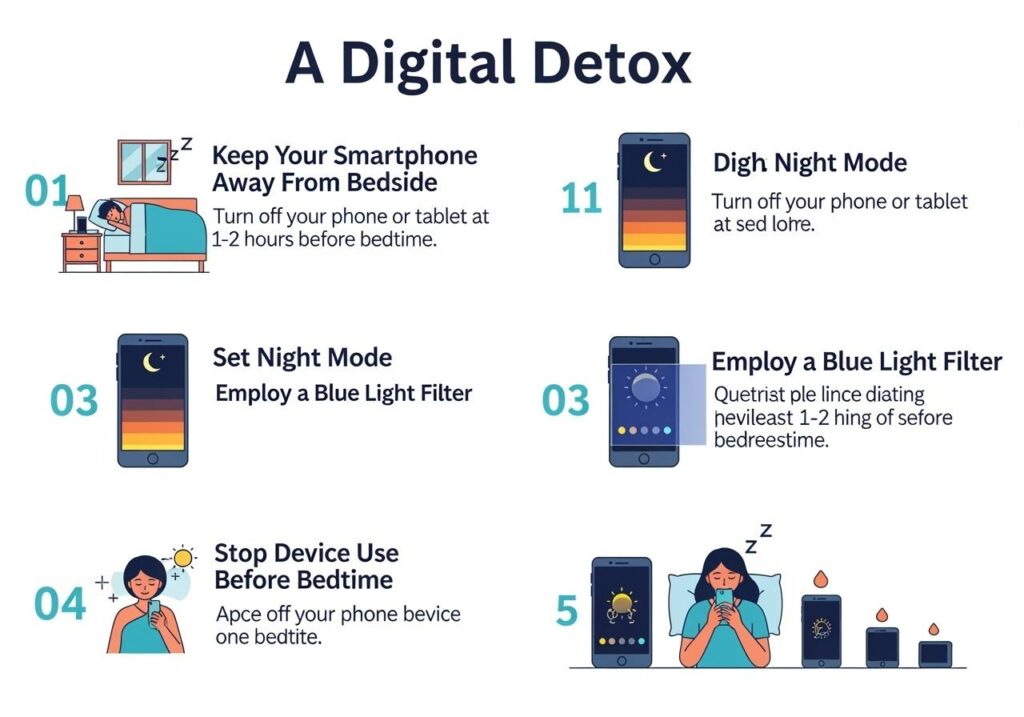
For years I assumed winding down meant lying in bed and hoping sleep would show up. It doesn’t work that way. Your body needs a transition period. I found ninety minutes before my target bedtime works well as a buffer.
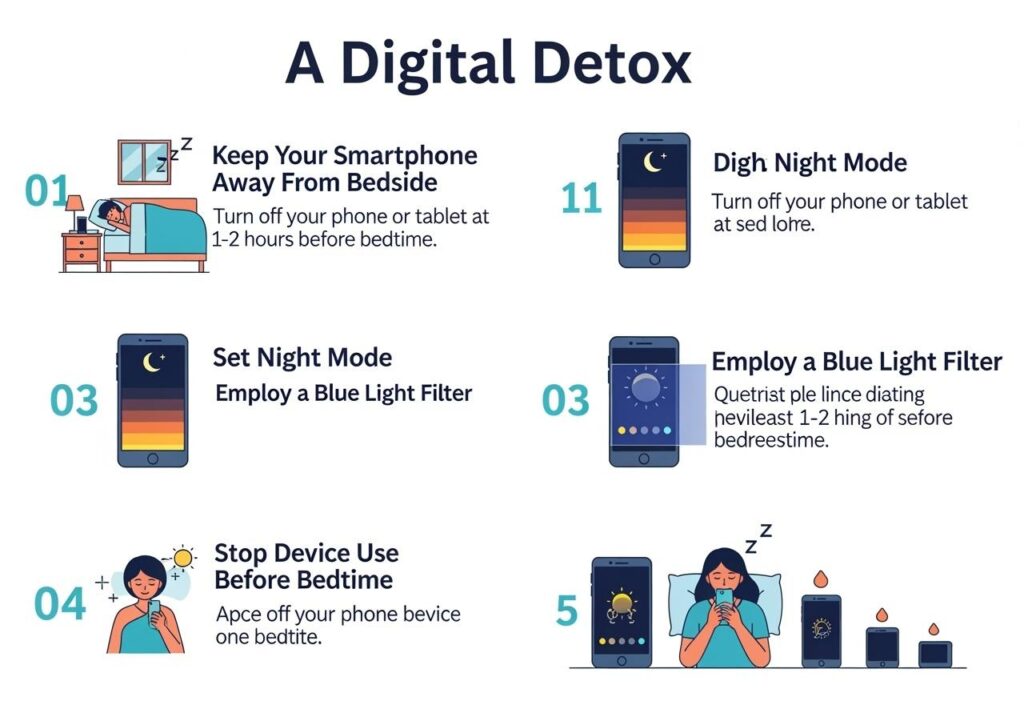
During that window, screens go dim or off entirely. Lights around the house get lower too. I stop doing anything mentally stimulating, like replying to work emails or watching something intense. It felt unnecessary at first, almost like I was babying myself. It made a noticeable difference within about a week.
Reading Actual Books Instead of Phone Screens
I switched from scrolling before bed to reading a physical book, and the difference surprised me. It’s not because reading is magic. It’s because it removed the blue light and the endless scroll trap. Both were keeping me up way later than intended.
If a physical book feels like a big ask right away, start smaller. Switching your phone to night mode and setting a hard stop time for scrolling helps too. The goal isn’t perfection. It’s reducing the stimulation your brain gets right before you’re trying to shut it down.
A Consistent Wake Time Matters More Than Bedtime
This one genuinely surprised me. I spent months obsessing over getting to bed at the exact same time every night. Turns out the bigger lever was actually waking up at a consistent time, weekends included.
Once I locked in a steady wake time, my body started naturally getting tired around the same hour each night. I wasn’t forcing it anymore. Sleep researchers call this circadian rhythm regulation. In practice it just means your body learns the pattern and stops fighting it.
Fixing Your Sleep Environment
Temperature Matters More Than People Realize

I used to sleep in a room that felt comfortable while awake but was actually too warm for good sleep. Dropping the temperature a few degrees cooler than felt natural made falling and staying asleep noticeably easier.
Most sleep specialists suggest a cooler room helps trigger the body’s natural drop in core temperature during sleep onset. I didn’t believe it until I actually tried it. Cracking a window or lowering the thermostat before bed made a real difference within days.
Blackout Curtains Are Worth the Investment
Streetlights outside my window used to cast just enough glow to keep my sleep lighter than it should have been. I didn’t even realize this was a problem until I installed blackout curtains. Once I did, I noticed I was waking up less during the night.
Even small amounts of light exposure can interfere with melatonin production. That’s the hormone your body naturally releases to help you feel sleepy. A dark room isn’t just about comfort, it’s actually functional.
White Noise or Silence, Depending on Your Situation
I live somewhere with unpredictable outside noise. Cars, neighbors, the occasional late night argument two floors up. A white noise machine ended up being one of the better purchases I’ve made for sleep specifically.
If your environment is already quiet, forcing white noise on top of it might actually be unnecessary. This one really depends on your specific situation. It’s worth testing rather than assuming one approach works universally.
Managing Light Exposure Throughout the Day
Morning Sunlight Sets the Whole Day’s Rhythm
This is the tip that felt the most surprising when I first tried it. Getting outside within the first hour of waking up helps regulate your body’s internal clock. Even just standing on a balcony for ten minutes works. It makes evening sleepiness come more naturally.

I started taking a short walk most mornings specifically for this reason. Within about two weeks, I was naturally getting tired earlier in the evening without forcing it.
Reducing Blue Light in the Evening
Most phones now have a built in night mode that shifts screen color toward warmer tones in the evening. I turn mine on automatically a few hours before bed. It’s not a dramatic fix on its own, but it’s one small piece of a larger puzzle that adds up.
Apps like f.lux do something similar on computers if you’re working late into the evening. It’s a small adjustment that costs nothing. Setup takes about thirty seconds.
Food, Drinks, and Timing
Caffeine Cutoff Times Matter More Than the Amount
I used to think as long as I wasn’t drinking coffee right before bed, I was fine. Turns out caffeine has a much longer half life than most people realize. It stays in your system for hours after that afternoon coffee felt like a good idea.
Cutting off caffeine by early afternoon made a genuine difference in how quickly I fell asleep at night. If you’re a heavy coffee drinker, try this one first.
Alcohol Helps You Fall Asleep, Then Wrecks the Rest of the Night
This one took me a while to accept because it felt counterintuitive. A drink or two before bed does make you feel sleepy faster. But it disrupts the deeper stages of sleep later in the night. That’s what leads to the groggy, unrested feeling even after eight hours in bed.
I’m not saying never have a drink in the evening. But once I started paying attention, the pattern between alcohol nights and rougher mornings became impossible to miss.
Heavy Late Meals Versus Light Evening Snacks
Eating a large meal too close to bedtime left me feeling uncomfortable and restless more nights than I’d like to admit. Shifting dinner earlier helped. Opting for a lighter snack if I was hungry closer to bedtime made falling asleep noticeably easier too.
Step-by-Step: How I Actually Rebuilt My Sleep Habits
Here’s the process I followed, broken into stages rather than trying to change everything overnight.
Step one: Track your current sleep for one week before changing anything. I used a basic sleep tracking app to see actual patterns. Relying on how I felt each morning turned out to be a pretty unreliable measure on its own.
Step two: Pick one variable to change first. I started with wake time consistency since it seemed like the biggest lever. Trying to overhaul everything at once usually leads to giving up within a few days.
Step three: Give each change at least two weeks before judging results. Sleep habits don’t shift overnight. I made the mistake early on of abandoning changes after just a few days, before I could see any real results.
Step four: Layer in environmental changes once habits feel stable. Once wake time and wind down routine felt consistent, I moved on to temperature and light adjustments in the bedroom itself.
Step five: Address caffeine and alcohol timing last. These felt like the hardest habits to shift. I saved them for once other changes were already working, which made the motivation feel more natural instead of forced.
Step six: Reassess using your tracking data, not just how you feel. Comparing sleep data from before and after the changes gave me concrete proof things were improving. That kept me motivated to stick with the new habits long term.
Real Examples From My Own Sleep Overhaul
The Morning Walk Experiment
I was skeptical that a short walk outside could meaningfully change my evening sleepiness. After committing to it daily for two weeks, my sleep tracker showed a change. I was falling asleep an average of twenty minutes faster than before. That was enough proof to keep the habit permanently.
The Caffeine Cutoff Test
I moved my last coffee from mid afternoon to before noon and tracked the difference over two weeks. My time to fall asleep dropped noticeably. I also woke up less frequently during the night, according to my tracking app. This ended up being one of the single biggest changes I made.
The Blackout Curtain Reality Check
I honestly didn’t expect curtains to matter this much. After installing them, my sleep tracker showed fewer nighttime awakenings almost immediately. Small environmental fixes sometimes make a bigger difference than habit changes alone.
The Alcohol Pattern I Finally Noticed
I started tracking sleep quality alongside a simple note about whether I’d had a drink that evening. The pattern became impossible to ignore. Nights with alcohol consistently showed more fragmented sleep, even when the total hours looked similar on paper.
Common Mistakes People Make Trying to Fix Their Sleep
Changing everything at once and giving up within days. Trying every tip simultaneously makes it impossible to know what’s actually working. The overwhelm usually leads to abandoning the whole effort quickly.
Focusing only on bedtime and ignoring wake time. This was my biggest early mistake. A consistent wake time does more heavy lifting than most people expect.
Assuming more sleep is always better. Oversleeping can leave you feeling just as groggy as undersleeping. Consistency and quality matter more than simply maximizing total hours.
Relying on melatonin supplements as a first fix instead of a last resort. Melatonin can help in certain situations. But leaning on it before addressing basic habits like light exposure and consistent timing usually just masks the underlying issue. If sleep problems persist despite lifestyle changes, talk to a doctor rather than self medicating indefinitely.
Ignoring how caffeine and alcohol timing actually affects sleep architecture. Both substances feel harmless in the moment. But they genuinely disrupt sleep quality in ways that aren’t always obvious until you start tracking patterns closely.
Tools That Actually Helped Me Through This
Oura Ring for detailed sleep tracking, including time to fall asleep and nighttime awakenings, which gave me actual data instead of guesswork.
f.lux for automatically adjusting screen color temperature on my computer during evening hours.
A basic white noise machine for masking unpredictable outside noise without needing anything complicated or expensive.
Blackout curtains as one of the simplest, most effective environmental changes I made.
A regular notes app for logging quick daily notes about caffeine, alcohol, and how I felt, which made spotting patterns so much easier over time.
Final Thoughts
Fixing sleep naturally isn’t about finding one perfect trick that solves everything overnight. It’s more like slowly removing obstacles, one at a time, until your body can finally do what it’s designed to do without a fight.
Some of the changes that made the biggest difference for me weren’t flashy. Morning sunlight and consistent wake times especially aren’t the tips you see everywhere. They’re quiet, unglamorous habits that took a couple weeks to show real results. But those results stuck around once they did.
If you’re in that stretch of exhausted nights and groggy mornings right now, pick just one thing from this list. Try it for two weeks before adding anything else. Small, consistent changes beat a dramatic overnight overhaul every single time. Eventually those small changes add up to actually feeling rested again.