

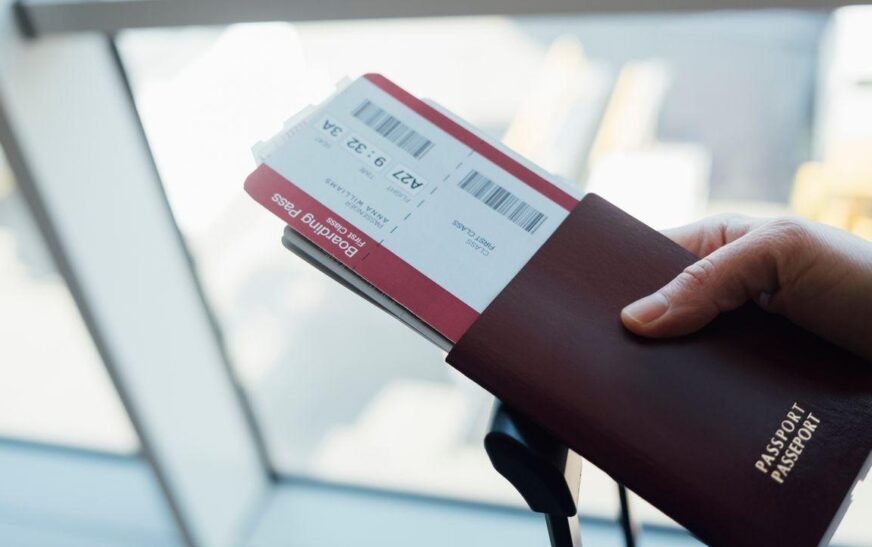
Two years ago I sat in my kitchen at midnight, laptop open, trying to figure out why a country I’d never even considered needed a visa I couldn’t apply for online. My flight was in six days. I ended up paying a rush fee, missing a connecting hotel booking, and learning a lesson the hard way: never assume you know which countries let you in without paperwork.
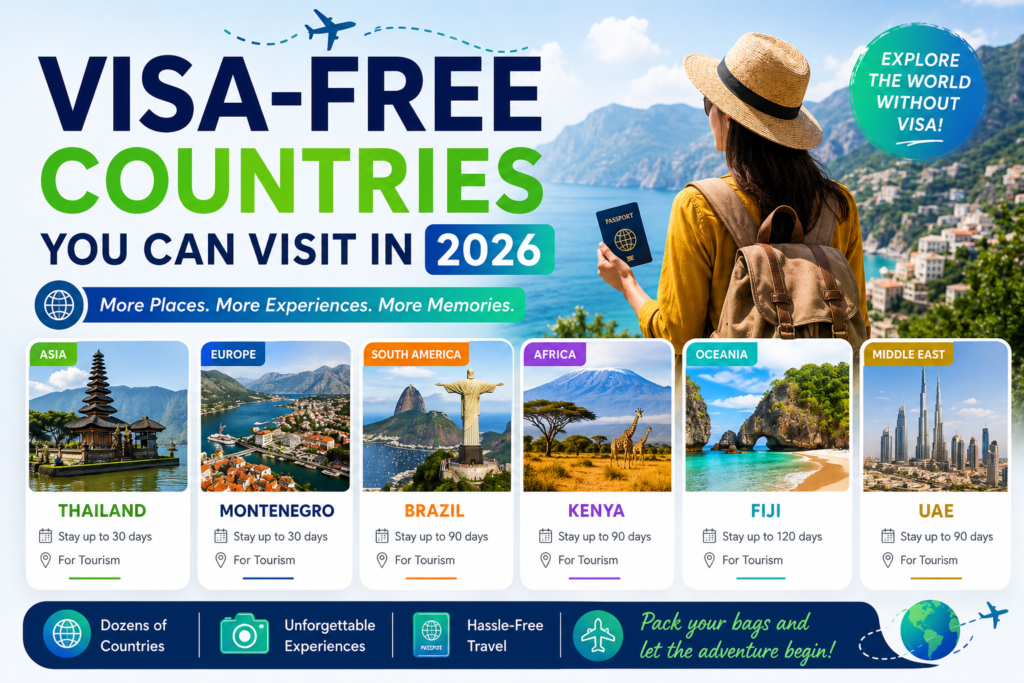
Since then I’ve gotten a bit obsessive about tracking visa-free access. Not in a spreadsheet-nerd way, well, okay, maybe a little. But mostly because I got tired of guessing and being wrong.
If you’re planning travel for 2026, this is the guide I wish someone had handed me before that midnight scramble. It’s based on what I’ve actually researched, booked, and double checked, not just a copy-paste list you’ll find everywhere else.
Why Visa-Free Access Keeps Changing
Here’s something that surprised me. Visa policies aren’t fixed. They shift constantly based on diplomacy, security concerns, and bilateral agreements between countries.
The Henley Passport Index, which tracks this stuff globally, updates its rankings multiple times a year. Singapore currently holds the top spot, giving its passport holders visa-free access to 192 out of 227 destinations worldwide. Japan, South Korea, and the UAE follow closely behind.
If you’re a US passport holder like me, the picture looks different. According to the most recent 2026 rankings, the United States sits around 10th place globally, a drop that reflects a broader six-place slide over the past two decades.
That doesn’t mean American travelers are stuck. It just means the days of assuming visa-free entry everywhere are over. You have to check, every single time, for every single trip.
My Go-To Method for Checking Visa Requirements
I used to rely on random blog posts, which is exactly how I ended up in that midnight panic. Now I follow a simple routine before booking anything.

Step one, I check the destination country’s official immigration or foreign affairs website. Google searches often bury this under sponsored travel blogs, so I specifically search “official visa requirements” plus the country name.
Step two, I cross-reference using the IATA Travel Centre tool, which airlines themselves use to determine boarding eligibility. It’s free and surprisingly accurate.
Step three, I check the Henley Passport Index website directly, since it’s updated monthly and lets you compare your specific passport against every destination.
Step four, and this one’s easy to forget, I check entry requirements again about a week before departure. Rules can shift with almost no warning, and airlines have denied boarding to travelers relying on outdated information.
Countries Where Visa-Free Access Is Still Strong for Most Western Passports
For travelers holding passports from the US, UK, Canada, Australia, most EU countries, and similar nations, a large chunk of the world remains visa-free or offers visa-on-arrival for short stays. Here’s what I’ve personally used or verified for 2026 travel.
Southeast Asia
Thailand, Malaysia, Singapore, and the Philippines have remained consistently visa-free for stays typically ranging from 30 to 90 days for most Western passport holders. I spent three weeks in Thailand last year and never touched a visa application, just an arrival card and a quick stamp.
Vietnam is a bit trickier. It offers visa-free entry to some nationalities for shorter windows, but many travelers still need an e-visa arranged in advance. I made the mistake of assuming Vietnam worked like Thailand and had to scramble for an e-visa two days before my flight. Lesson learned.
Latin America
Mexico, most of Central America, and countries like Peru, Colombia, and Chile generally allow visa-free entry for tourists from the US, UK, Canada, and EU nations, usually for 90 days.
Brazil has flip-flopped on visa requirements for American travelers over the past few years, so this is one to double check right before booking. Policies here have changed more than once, and I’ve seen friends caught off guard.
Europe and the Schengen Area
This one deserves its own section because a major change is coming.
Africa
South Africa, Kenya, and Morocco have relatively accessible entry policies, though some require an e-visa or visa-on-arrival rather than full visa-free access. Rwanda has become known for one of the more traveler-friendly systems on the continent, offering visa-on-arrival to nearly all nationalities.
Middle East
The UAE has become dramatically easier to visit over the past decade. It’s actually one of the biggest climbers in passport power rankings recently, and short tourist stays are visa-free for a long list of nationalities. Qatar and several other Gulf states have followed similar trends.
The Big Change Coming to Europe in 2026
If you’re planning a Europe trip for late 2026, pay attention to this part, because I almost got blindsided by it myself.
The EU has been rolling out a new system called ETIAS, the European Travel Information and Authorisation System. It’s not a visa exactly, more like the European version of the US ESTA program. But it does mean an extra step for travelers who are used to walking into Schengen countries with nothing but a passport.
Here’s where it stands as of mid-2026. The launch is confirmed for the fourth quarter of 2026, and it won’t become mandatory until sometime around 2027 after a transitional grace period. So if you’re traveling to France, Germany, Italy, Spain, or any of the other Schengen countries later this year, you likely won’t need it yet, but that window is closing fast.
A few practical notes I’ve picked up:
- ETIAS will apply to travelers from visa-exempt countries including the US, UK, Canada, Australia, and New Zealand.
- The fee applies to applicants roughly between ages 18 and 70, with exemptions for children and older travelers in some fee structures, though sources have quoted slightly different amounts, so check the official EU travel site before assuming a price.
- Approval is typically fast, but your passport needs to remain valid for more than three months after your planned departure from the Schengen area.
- Scam websites are already popping up pretending to process ETIAS applications early. There’s no legitimate way to apply before the official portal opens, so ignore anything asking for payment right now.
My advice, if you’re planning European travel for the second half of 2026, bookmark the official EU travel authorization page and check it again about a month before you fly.
Common Mistakes People Make With Visa-Free Travel
I’ve made most of these myself, so consider this a friendly warning.
Assuming visa-free means no requirements at all. Visa-free usually still means you need proof of onward travel, sufficient funds, and sometimes a specific passport validity period, often six months beyond your travel dates.
Confusing visa-on-arrival with visa-free. These are different. Visa-on-arrival still requires paperwork and a fee at the border, it’s just processed on the spot rather than in advance.
Not checking transit requirements. I once had a layover in a country that required a transit visa even though I never left the airport. Always check layover countries separately, not just your final destination.
Relying on outdated blog posts. Travel blogs, including good ones, go stale fast. A post written in 2023 might describe rules that no longer apply. Always verify against an official government source.
Forgetting passport expiration rules. Many countries won’t let you in in if your passport expires within three to six months of your travel dates, even if the destination itself is visa-free.
Ignoring return ticket requirements. Some immigration officers will ask for proof you’re leaving. A one-way ticket without an explanation has caused real headaches for travelers I know personally.
Tools and Apps That Actually Help
A few resources I keep coming back to, beyond the official government sites:
- iVisa and VisaHQ are useful for quickly checking requirements by passport and destination, though I always verify anything critical against an official source afterward.
- IATA Travel Centre is what airlines themselves reference, so it’s about as accurate as you’ll get for boarding eligibility.
- Sherpa° is an app that layers in COVID-related and general entry requirements by destination, handy if you’re juggling multiple countries on one trip.
- Airline apps themselves, particularly for carriers like Emirates or Qatar Airways, often flag missing visa documentation during online check-in, which has saved me from a bad surprise more than once.
A Quick Reality Check on Passport Power
It’s worth remembering that visa-free access depends entirely on your specific passport, not just your destination. A Singaporean passport holder and a passport holder from a country lower on the rankings face completely different rules for the same destination.
If you’re unsure where your passport stands, the Henley Passport Index lets you compare access directly. It’s free, quick, and far more reliable than guessing based on what a friend told you about their trip last year.
Final Thoughts
Visa-free travel isn’t some fixed list you memorize once and forget about. It shifts, sometimes quietly, sometimes with almost no warning, based on politics and international relationships that have nothing to do with your travel plans.
The habit that’s saved me the most stress isn’t some clever trick. It’s just checking twice, once when I book, and again closer to departure. That one habit would have completely prevented my midnight scramble years ago.
Wherever you’re headed this year, give yourself the buffer of double checking before you pack your bags. It takes ten minutes and it beats standing at a check-in counter watching your flight leave without you.