
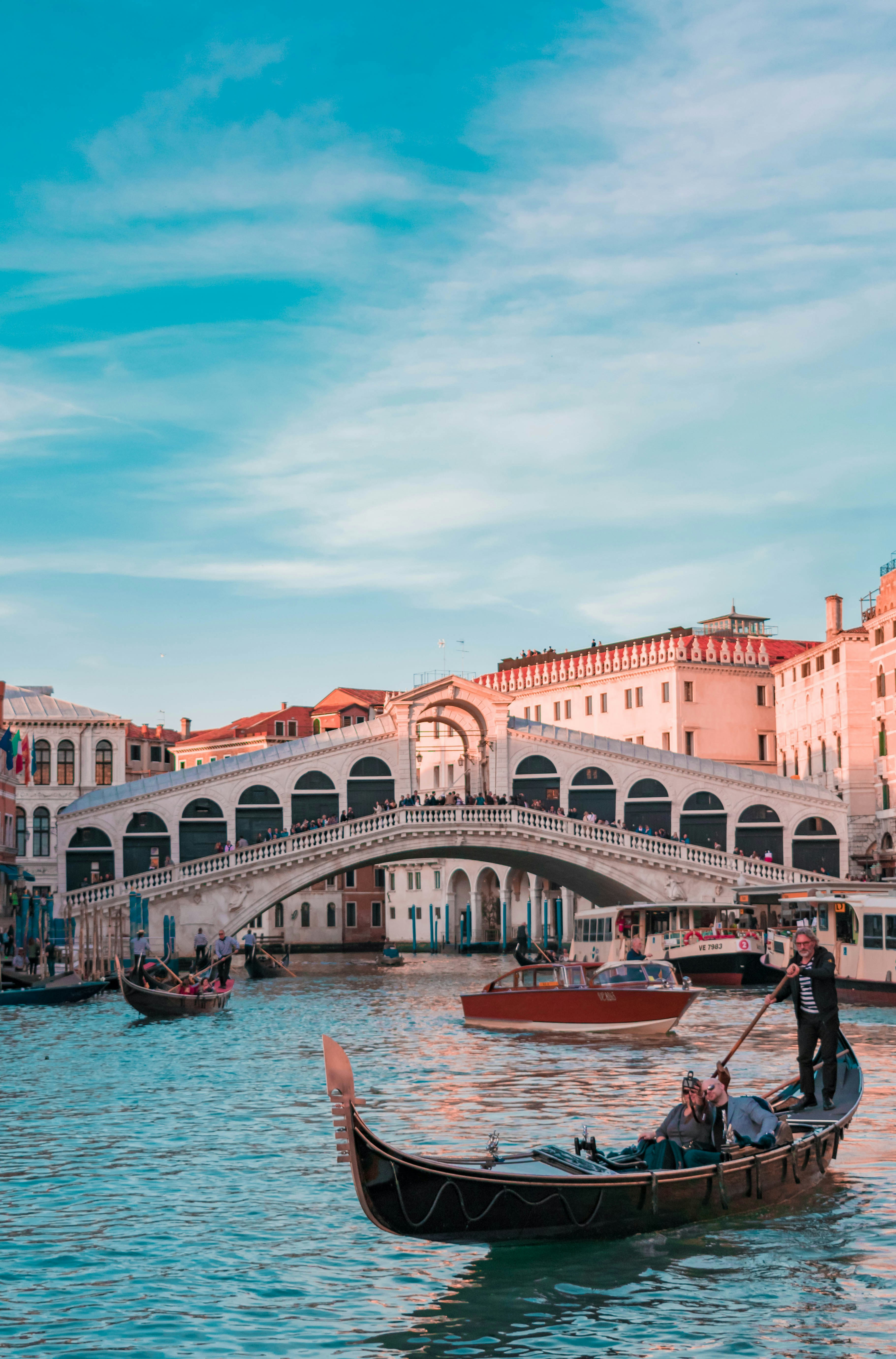
Three summers ago I missed a bus connection in a small town in Montenegro. I ended up stranded for six extra hours with nothing to do. What started as an annoying travel mishap turned into one of my favorite afternoons ever. I wandered empty stone streets with barely another tourist in sight. That accident is what got me hooked on hidden tourist destinations instead of the usual bucket list spots everyone posts about.
Since then, I’ve made it a habit to dig past the first page of travel blogs. I look for places that haven’t been flooded by crowds yet. Some searches led nowhere. A few led to genuinely unforgettable trips. I’ve also made my fair share of mistakes along the way. Showing up somewhere with zero research is never fun, and I’ve regretted it almost immediately more than once.
This isn’t a generic list copied from someone else’s itinerary. It’s a mix of places I’ve actually visited and ones friends have raved about firsthand. Along the way, I picked up real lessons about finding hidden tourist destinations without wandering into somewhere unsafe or completely inaccessible.
Why Hidden Tourist Destinations Are Worth the Extra Effort
Popular landmarks are popular for a reason. I’m not knocking places like Rome or Paris. But there’s something different about standing somewhere without fighting through crowds for a photo. There’s something different about skipping the hour long wait just to get a table at dinner.
Hidden tourist destinations tend to offer a slower pace. Prices usually run cheaper too. Locals also tend to feel more genuine here, mainly because mass tourism hasn’t reshaped the entire local economy yet.
These places also tend to stay memorable longer. I remember details from smaller, quieter trips far more vividly than famous attractions. Standing shoulder to shoulder with thousands of other people rarely creates a lasting memory.
Kotor Bay, Montenegro
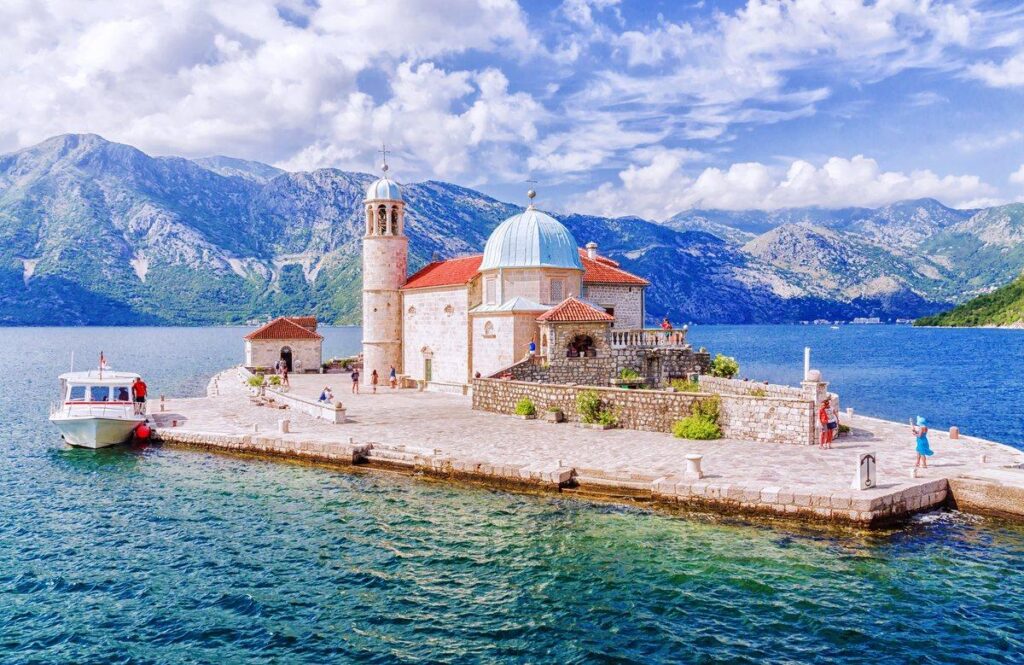
This is where my whole obsession started. Kotor sits along a dramatic, fjord-like bay. Steep mountains surround the old walled town, which somehow still feels underrated compared to nearby Croatia.
I climbed the old fortress walls above the town during that stranded afternoon. I wore flip flops, sweaty and completely unprepared, which I absolutely do not recommend. The view from the top made the questionable footwear choice worth it though. You can see the entire bay and the red rooftop old town below.
Prices here run noticeably lower than in Dubrovnik, just a few hours away by car. The scenery honestly rivals it too.
A quick tip if you’re planning a visit
Wear actual hiking shoes for the fortress climb, unlike I did. The path is uneven stone steps the entire way up. It also gets brutally hot by midday.
Matera, Italy
A friend of mine described Matera as “what I imagined ancient civilizations looked like.” After seeing her photos, I understood exactly what she meant.
Builders carved this city into and around ancient cave dwellings called Sassi, some dating back thousands of years. Mainstream Italian tourism largely overlooked it until fairly recently. Part of the reason is location. It sits in the southern region of Basilicata, off the usual Rome to Florence to Venice tourist route.
She stayed in a converted cave hotel. That might sound unusual until you see photos of these beautifully restored spaces. They still keep their ancient stone character intact.
Why it’s still relatively quiet
Matera has no major airport nearby. That naturally filters out casual day trippers. Getting there usually means a train to Bari, followed by a bus or short drive. This small hassle keeps crowds noticeably thinner than in more accessible Italian cities.
Ha Giang Loop, Vietnam
This one came from a fellow traveler I met in a hostel in Hanoi. He described renting a motorbike and riding through mountain roads. He barely saw another tourist for hours.
The Ha Giang province sits near Vietnam’s northern border. It offers dramatic limestone mountains and terraced rice fields, without the crowds found in more famous spots like Sapa.
He stayed in homestays run by local families along the route. That gave him a much more genuine glimpse into daily life in the region, compared to typical hotel stays.
Something worth knowing before you go
The roads here are winding and occasionally rough. If you’re not an experienced motorbike rider, several tour companies offer guided trips with a driver instead. That’s a much safer option for beginners.
Svaneti, Georgia
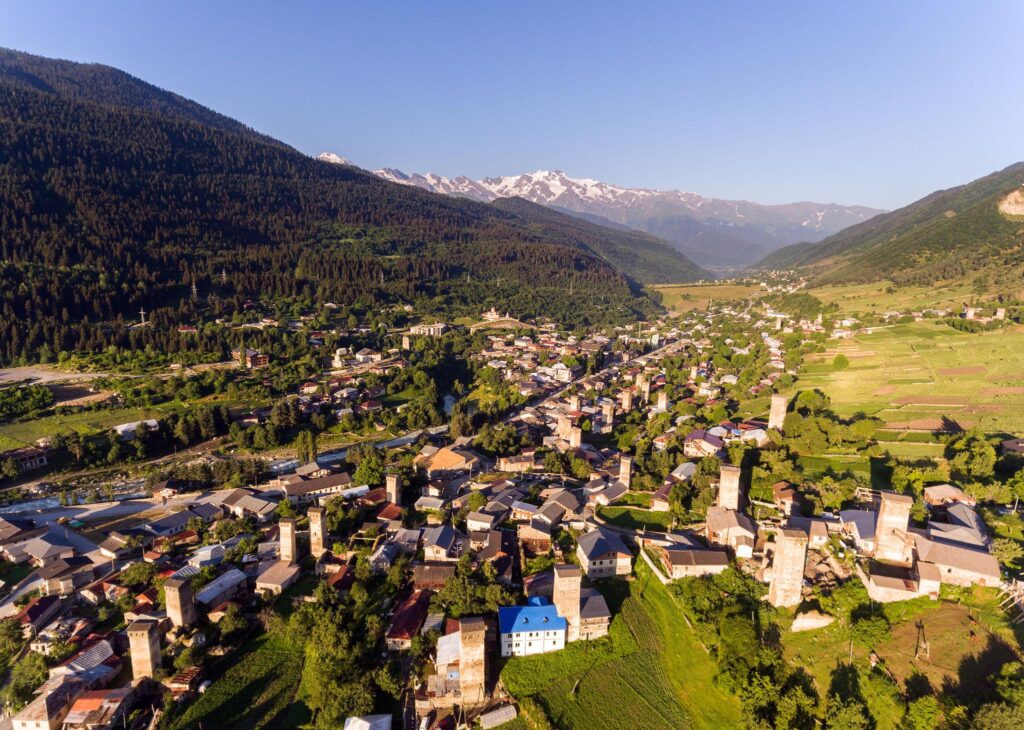
Georgia, the country, not the state, has been getting more attention lately. Svaneti specifically still flies under the radar for most travelers though.
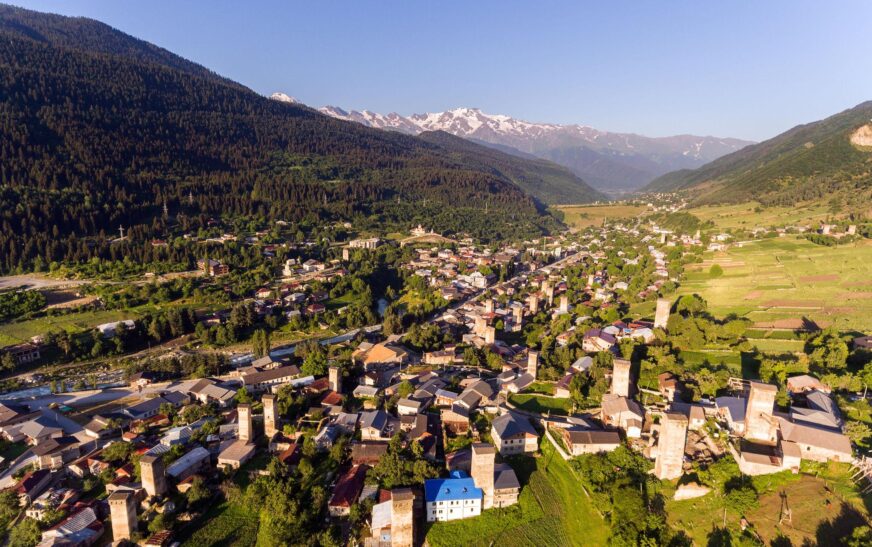
Centuries old defensive stone towers dot this mountainous region. Local families built them for protection during historical conflicts. Hiking trails wind through genuinely stunning Caucasus mountain scenery, without the packed trailheads you’d find in more famous mountain destinations.
I haven’t been personally, but a coworker who visited raved about the local Svan cuisine. She called the cheese-filled bread, kubdari, one of the highlights of her entire trip through the country.
Getting there realistically
Reaching Svaneti usually means flying into Tbilisi first. From there, you’ll need either a domestic flight or a long marshrutka minibus ride into the mountains. It’s not a quick weekend trip, but that inconvenience is part of why it’s stayed relatively untouched.
Chefchaouen’s Quieter Neighbor: Akchour, Morocco
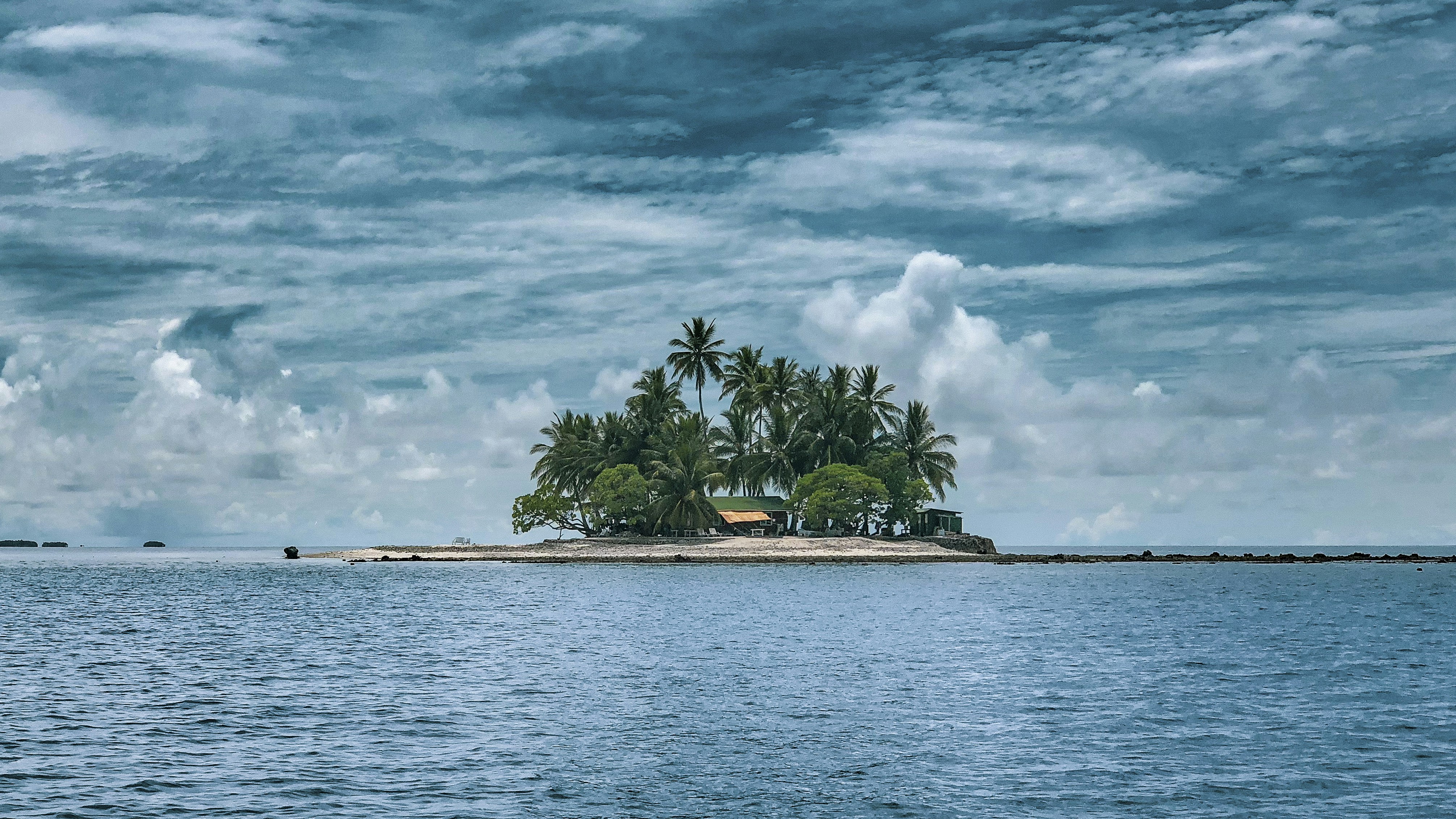
Chefchaouen, Morocco’s famous blue city, has become a fairly common stop on North Africa itineraries now. That technically disqualifies it from this list. Its nearby countryside still counts as one of the better hidden tourist destinations in the region though.
A short drive from the city takes you to the Akchour waterfalls and surrounding hiking trails. These see a fraction of the visitors that photograph the blue streets in town. I met a couple during a trip who hiked to God’s Bridge, a natural rock arch formation near Akchour. They saw only a handful of other hikers on the trail the entire day.
They stayed in a small guesthouse in a nearby village rather than the city itself. That gave them a quieter, more local experience. They still stayed close enough for an easy day trip into Chefchaouen when they wanted the famous blue streets too.
A practical note before visiting
Hire a local guide for the Akchour trails if you’re not familiar with the terrain. Signage is limited in places. A guide often knows shortcuts and safer river crossing points than what you’d find navigating alone.
Aveiro, Portugal

Most travelers default to the well known Lisbon and Porto combination. I researched smaller alternatives before a recent trip instead. I ended up spending three unforgettable days in Aveiro, a quiet canal town often nicknamed the Venice of Portugal.
Colorful traditional boats called moliceiros drift along the canals. Art nouveau architecture fills the town center, and it feels like stepping into a completely different era. Food and accommodation prices ran noticeably lower than what I’d budgeted based on Lisbon rates. That was a pleasant surprise for once.
The official Visit Portugal tourism site has decent regional guides if you want to plan a similar detour away from the country’s more crowded cities.
Step by Step: How to Actually Find Hidden Tourist Destinations Yourself
Finding these places isn’t about luck. It’s mostly about knowing where to look. You also need to be willing to dig a little deeper than the first search result.
Step 1: Search regional alternatives to famous spots
If a destination feels overcrowded in every photo you see, search for nearby alternatives with similar scenery. Kotor instead of Dubrovnik is a perfect example of this exact approach.
Step 2: Use flight deal sites to spot underrated routes
Apps like Google Flights or Skyscanner often reveal destinations you hadn’t considered. Sometimes a cheap flight route is the only reason a place shows up at all. Some of my best trips started from browsing deals rather than a specific bucket list.
Step 3: Check travel forums, not just influencer content
Communities on Reddit, like r/solotravel or r/travel, tend to surface honest, detailed recommendations. These come from people with no sponsorship incentive to exaggerate how amazing a place is.
Step 4: Talk to other travelers while you’re already on a trip
Some of my favorite discoveries came from conversations in hostels, not research done beforehand. Fellow travelers often know about the next underrated spot before it shows up in guidebooks.
Step 5: Look at UNESCO’s tentative lists
The UNESCO World Heritage tentative list highlights sites under consideration for future recognition. Many of these are historically significant but haven’t yet attracted heavy tourism.
Real Examples of How This Research Pays Off
A friend of mine wanted to visit somewhere in Southeast Asia beyond the typical Bangkok and Bali route. She followed a similar research process and ended up exploring Sapa alternatives further off the beaten path. She eventually landed in smaller villages around Vietnam’s northern highlands, places that barely appeared in mainstream guidebooks at the time.
Another traveler I met applied this same approach to Central America. He skipped the crowded beaches of Tulum in favor of quieter coastal towns further south along the Belize border. He told me the snorkeling was just as good, minus the crowds of tour boats.
Common Mistakes People Make When Chasing Hidden Tourist Destinations
I’ve made several of these myself, sometimes more than once. Apparently I’m slow to learn certain lessons.
Skipping research on accessibility. Some remote destinations require significantly more planning around transportation, permits, or seasonal closures. Show up unprepared, and you might waste an entire day figuring out logistics. Ten minutes of research beforehand usually solves this.
Assuming hidden means unsafe. Plenty of underrated destinations are perfectly safe. They’re just less commercially promoted. Don’t confuse quiet with dangerous without actually checking current travel advisories first.
Ignoring local customs and etiquette. Smaller destinations often haven’t adapted to mass tourism norms the way major cities have. A little research into local customs goes a long way toward being a respectful visitor.
Overpacking your itinerary. Part of the appeal of these places is the slower pace. Cramming five hidden destinations into one rushed week defeats the entire purpose.
Sharing exact locations publicly too soon. This one is a bit controversial. I’ve seen quiet spots get overwhelmed within a year after a viral post revealed exactly where they were. Consider staying a little vague about precise details if you genuinely want a place to stay special.
A Few Tools That Make This Kind of Travel Easier
Beyond flight search engines, a few specific tools make planning trips like this noticeably smoother.
Maps.me works well for offline navigation in areas with unreliable cell signal. That’s common in a lot of these lesser known regions.
Rome2Rio helps you figure out multi-step transportation routes. It’s especially useful for reaching places without a direct flight or train connection.
Smaller local guesthouses booked through platforms like Booking.com often turn out to be more memorable than international hotel chains. They’re usually cheaper too.
Final Thoughts
That missed bus connection in Montenegro turned out to be one of the better accidents of my life, honestly. It taught me something valuable. Some of the best travel memories come from places that never made anyone’s must see list.
You don’t need unlimited time or a huge budget to find hidden tourist destinations of your own. Sometimes it’s as simple as researching the town next to the famous one. Sometimes it’s just striking up a conversation with a stranger in a hostel common room.
The next, consider skipping the obvious choice, at least for part of your itinerary. The detour might end up being the part of the trip you talk about years later.