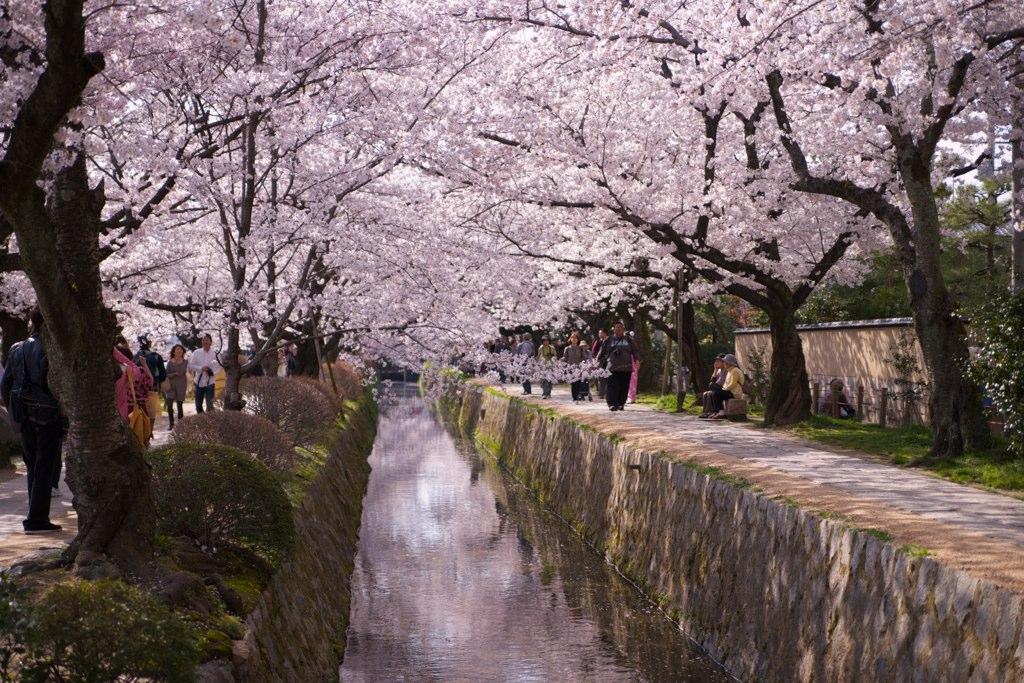

I still remember standing outside a train station in Lisbon at eleven at night, alone, with a backpack that suddenly felt way too heavy, wondering if I’d made a huge mistake booking a solo trip in the first place.
Nothing bad happened. A local pointed me toward my hostel, I got there in fifteen minutes, and I ended up loving that trip so much I’ve now done six more solo trips since. But that moment of pure nervous uncertainty stuck with me, because it’s the exact feeling that stops so many people from ever booking that first solo ticket.
Here’s what I’ve learned since then, sometimes the easy way and sometimes the hard way. Some destinations genuinely make solo travel simple. Others look fine on Instagram but leave you feeling exposed the second something goes slightly wrong. The difference usually comes down to a handful of specific factors, not just a general vibe.
So let’s get into the destinations that actually deliver on safety, plus the mistakes I’ve made getting there.
What Actually Makes a Destination Safe for Solo Travelers
Before naming specific places, it helps to understand what “safe” really means here.
Low crime matters, obviously, but it’s only part of the picture. Healthcare access matters just as much, especially if something goes wrong and you don’t have a travel companion to help you navigate a hospital in a language you don’t speak.
Infrastructure matters too. Reliable public transport, functioning internet, and clear signage all reduce the small daily stresses that can snowball into genuine danger when you’re navigating everything solo.
A recent solo travel risk index that analyzes over a hundred countries actually weighs all of this together, looking at things like residents’ own sense of personal safety, hospital access, environmental risk, and internet connectivity. That combination gives a much more useful picture than just checking a basic crime rate.
The Destinations That Consistently Rank Safest
Let’s get specific, because vague safety advice doesn’t help you actually book anything.
San Marino

I hadn’t even heard of this tiny country before researching solo travel safety data, and it topped the most recent rankings with one of the lowest risk scores recorded.
Tucked entirely inside Italy, San Marino has a medieval old town, sweeping countryside views, and a genuinely strong sense of personal safety among residents. Almost ninety percent of locals report feeling safe walking alone after dark, which is a remarkably high number.
It’s small enough that you could see the whole country in a day or two, making it a low stakes, low stress option if you want to dip your toes into solo travel without overwhelming yourself with logistics.
Andorra
Another tiny country, and another one people tend to overlook when planning solo trips.
Andorra is known for skiing in winter, but it’s just as appealing in warmer months, with hiking trails winding through the Pyrenees. Personal safety scores here are consistently strong, with very few residents expressing concern about being attacked.
Singapore
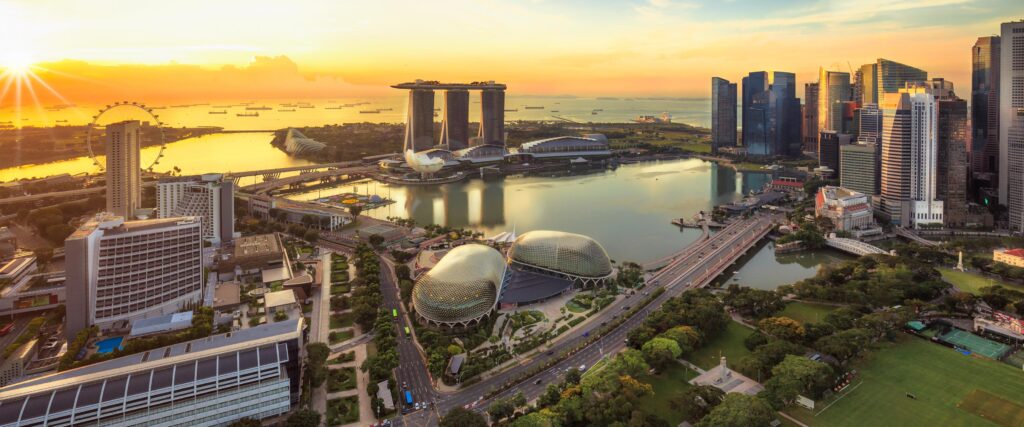
This one surprised exactly nobody who’s actually visited, since Singapore has had a reputation for being clean, orderly, and safe for years now.
More than seventy five percent of residents report feeling safe walking alone at night, and the city state pairs that safety with genuinely great food, striking modern architecture, and historic neighborhoods like Chinatown that are easy to explore entirely on your own.
I spent four days there solo and never once felt uneasy, even wandering around at night looking for street food. The public transit system alone makes it one of the easiest cities in the world to navigate without a local guiding you around.
Portugal
Portugal keeps showing up on solo travel lists for good reason, and Lisbon specifically is where I had that nervous train station moment I mentioned earlier.
What makes Portugal work so well for solo travelers isn’t just the safety data, though that’s genuinely strong too. It’s the social infrastructure. Walking tours and food tours create natural, low pressure ways to meet other travelers if you want company for part of your trip without committing to a group tour the whole time.
Slovenia
Ljubljana doesn’t get nearly enough credit as a solo destination, and I think that’s mostly because people haven’t heard of it compared to bigger European capitals.
The city center is compact and walkable, with cafés that feel comfortable even if you’re sitting there completely alone with a book. Once you’ve settled in, Lake Bled is an easy day trip away, with clearly marked paths that make solo hiking feel manageable rather than intimidating.
Slovenia also tends to be cheaper than much of Western Europe, which matters more than people admit when you’re covering every cost yourself instead of splitting things with a travel partner.
Japan
Japan consistently ranks among the best solo destinations worldwide, and it’s one of the only places I’ve traveled where being alone in public genuinely isn’t seen as unusual.
Solo dining counters exist specifically because eating alone is completely normalized culturally. Public transport is famously punctual and easy to navigate even without speaking Japanese, and personal safety is exceptionally high across the country.
New Zealand

If you want outdoor adventure without constantly worrying about safety, New Zealand consistently ranks among the safest countries for independent travel.
There’s a strong backpacker network already built into the country’s tourism infrastructure, clearly marked national parks, and straightforward road trip routes that make solo exploring genuinely doable rather than something you need a guide for.
The Netherlands, Australia, Austria, Iceland, and Canada
A separate major ranking from a travel insurance provider, based on traveler surveys combined with global safety indices, put these five countries at the very top for 2026.
What ties them together, beyond safety scores, is minimal language friction. English is widely spoken or taught early in schools across all five, which removes one of the biggest sources of solo travel stress, not being able to ask for help easily if something goes wrong.
Step by Step: How to Actually Prepare for Safe Solo Travel
Knowing the safest destinations is only half the equation. Here’s exactly how I prepare now, after learning several lessons the hard way.
Step one: Check official travel advisories before booking, not after. The US State Department publishes updated advisories for every country, and situations can shift fast even in destinations that generally rank safely. I learned this after almost booking a trip to a region that had gotten notably less stable since the last time I’d casually checked.
Step two: Download offline maps before you land. Google Maps lets you save an entire city for offline use, which saved me more than once when local data coverage dropped unexpectedly.
Step three: Get a reliable travel eSIM instead of hunting for local SIM cards. Services like Jetpac or Airalo let you stay connected across borders without swapping physical SIM cards, which matters a lot when you’re solo and can’t just hand your phone to a travel companion to sort out.
Step four: Share your live location with someone back home. Apps like Find My or Life360 make this simple. It sounds unnecessary until the one time you actually need someone to know exactly where you are.
Step five: Use a city specific safety app for neighborhood level detail. GeoSure breaks down safety scores by actual neighborhood rather than just giving you a country wide score, which is genuinely more useful once you’ve already picked your destination.
Step six: Book your first night’s accommodation before you land, always. I made the mistake early on of assuming I’d sort out a hostel once I arrived somewhere. Arriving exhausted with no confirmed place to stay is exactly the kind of situation that makes solo travelers vulnerable to bad decisions or bad actors.
Real Mistakes I’ve Made, So You Don’t Have To
I’ve made every single one of these, so take this as an honest warning rather than a lecture.
Assuming a country’s overall safety ranking applies equally to every single city or neighborhood within it. Big cities almost always have specific areas that are riskier than the national average suggests, and checking a neighborhood level app before wandering somewhere unfamiliar at night would have saved me some genuinely uncomfortable moments.
Skipping travel insurance because a destination ranks as low risk. I did this once in a country that topped every safety list I’d checked, then sprained my ankle hiking and discovered my regular health insurance didn’t cover anything overseas. Even the safest countries have hospitals, and hospitals cost money.
Not telling anyone my actual itinerary. I used to just tell friends the country I was visiting, not the specific cities or dates. That’s genuinely not useful information if something actually goes wrong and someone needs to help locate you.
Ignoring my gut instinct because a place technically ranked as safe. Data is useful, but it’s not a substitute for your own read on a specific street, a specific person, or a specific situation in the moment. If something feels off, trust that over a ranking you read online.
Overpacking to the point where I couldn’t move quickly or comfortably. This sounds unrelated to safety, but a heavy, unwieldy bag makes you slower, more tired, and more distracted exactly when you need to be alert and mobile.
What Solo Travel Safety Looks Like Differently for Women
It’s worth being direct about this, since safety considerations genuinely differ for women traveling alone, and pretending otherwise isn’t helpful to anyone.
A country ranking as generally safe doesn’t automatically mean it’s equally comfortable for solo female travelers specifically. Harassment patterns, dress code expectations, and cultural attitudes toward women traveling alone can vary a lot, even within countries that score well on general crime statistics.
Portugal, Japan, and the Netherlands all get consistently strong feedback from solo female travelers specifically, not just general safety rankings. Checking travel blogs and forums written by women who’ve actually visited a specific destination recently is genuinely more useful here than any general index, since lived experience picks up on details that broad statistics simply can’t capture.
Common Questions Worth Answering Honestly
Is solo travel actually more dangerous than traveling with someone else?
Not inherently, but certain risks do shift. You don’t have someone watching your bag while you use the bathroom, and you’re the only one who needs to notice if something feels wrong. That’s manageable with preparation, but it’s worth acknowledging rather than pretending solo travel carries zero additional considerations.
Should I avoid destinations that rank lower on these lists entirely?
Not necessarily. Plenty of destinations outside the top rankings are still genuinely wonderful and manageable for solo travelers, they just require more preparation and situational awareness than a place like Singapore or Slovenia might.
How much should I actually trust these safety rankings?
Treat them as a genuinely useful starting point, not a guarantee. Conditions shift, and even top ranked countries have specific neighborhoods or situations that require normal common sense and awareness.
Final Thoughts
That nervous moment outside the Lisbon train station taught me something I didn’t expect going in. The fear itself wasn’t really about actual danger. It was about uncertainty, and uncertainty shrinks fast once you’ve actually done the research and prepared properly beforehand.
The destinations that consistently show up on safety rankings, places like Japan, Slovenia, Singapore, and Portugal, earn their spots for real, measurable reasons. Strong infrastructure, low crime, good healthcare access, and cultures where being alone in public simply isn’t unusual.
Pick one of these for your first solo trip if you’re nervous about starting. Prepare properly using the steps above, and give yourself permission to still feel a little nervous standing outside that first train station anyway. That feeling fades fast once you realize you can actually handle whatever comes next on your own.