
(Learned the Hard Way, Mostly in Barcelona)
My phone got lifted out of my back pocket on a crowded metro in Barcelona. I didn’t feel a thing. One second it was there. The next, I was patting my pocket like an idiot at the next stop, already knowing what happened.
That trip taught me more about travel safety than any blog post ever had. Nothing terrible happened, since losing a phone is annoying but survivable. It just forced me to think through how careless I’d actually been the whole trip.
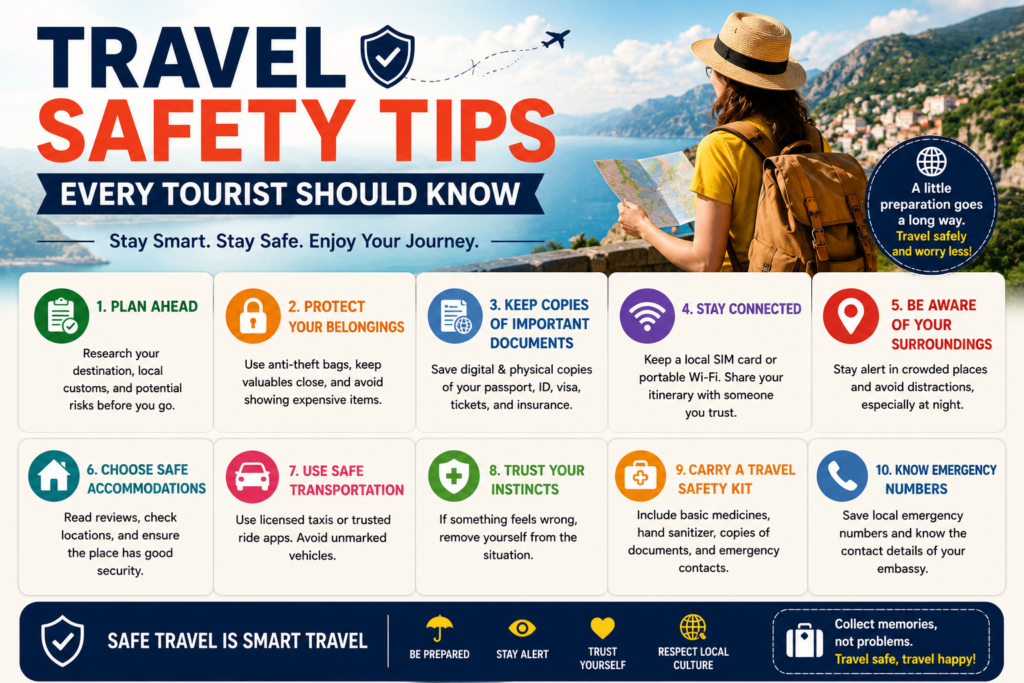
Since then I’ve traveled to about a dozen countries. I’ve made a bunch of dumb mistakes along the way. Slowly, I built habits that actually work. These are the travel safety tips every tourist should know before their next trip, based on stuff I wish someone had told me earlier.
Why Tourist Safety Isn’t About Being Paranoid
A lot of safety advice online makes travel sound terrifying. Every article seems to assume you’re one wrong turn away from disaster. That’s not realistic, and it kind of ruins the fun of exploring somewhere new.
Real travel safety is mostly about reducing easy targets. Pickpockets and scammers look for people who seem distracted or unfamiliar with their surroundings. Small habits change how much of a target you look like. None of it needs to turn your trip into a stressful ordeal.
Think of it like locking your car door. You’re not expecting a break-in every time you park. You just do it because it’s a small habit that removes an easy opportunity.
Before You Even Leave Home
Good travel safety starts weeks before your flight, not the moment you land somewhere unfamiliar.
Research Your Destination Properly
Skip the generic “top ten things to do” articles for a minute. Actually look up common scams specific to where you’re going. Every destination has its own patterns. Rome has scooter-based bag snatchers. Bangkok has tuk-tuk drivers pushing “special deals” at gem shops. Knowing the local version of a scam beats generic advice every time.
I use a mix of government travel advisories and recent forum threads from people who visited in the last year or two. Official sources tend to be overly cautious. Forums give a more grounded, current picture of what’s actually happening on the ground.
Register With Your Embassy’s Travel Program
This sounds excessive until you actually need it. Programs like the US State Department’s STEP program let your embassy know you’re traveling somewhere. They can reach you during an emergency, a natural disaster, or civil unrest.
Signing up takes about five minutes online. Most countries offer something similar. I skipped this for years. Then I registered before a trip to a region with some political instability, and it genuinely gave me peace of mind.
Make Copies of Important Documents
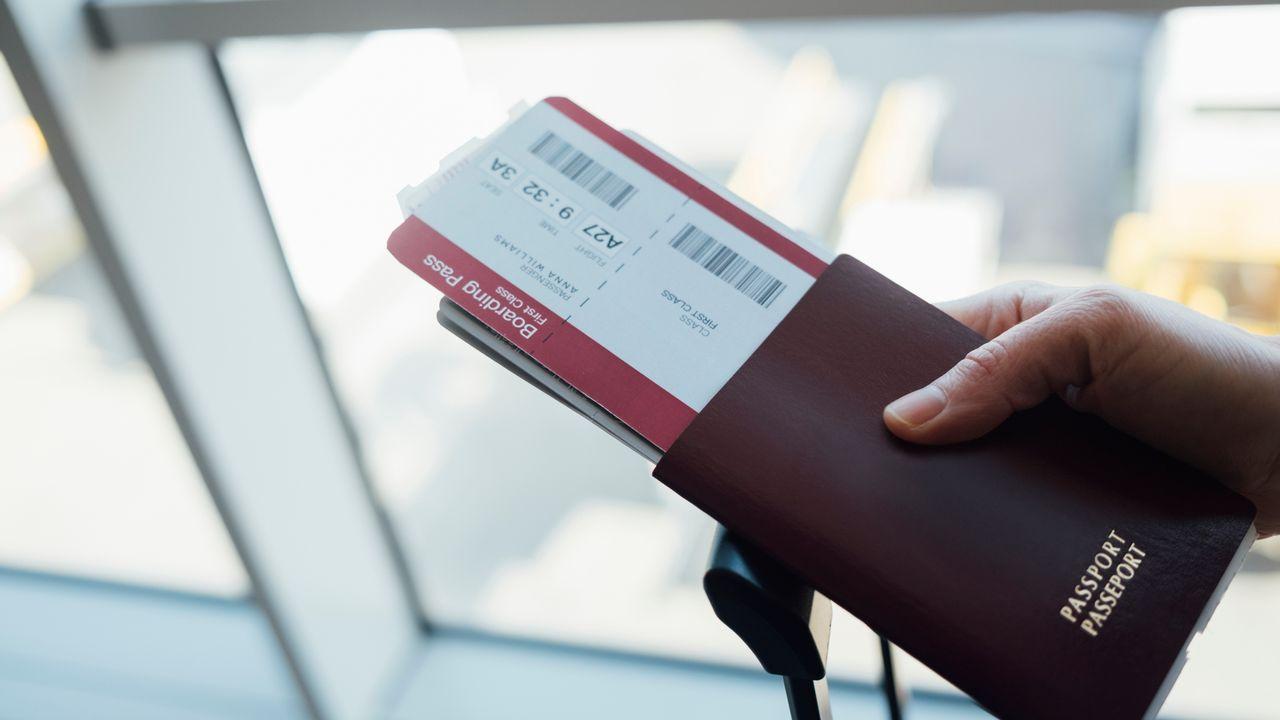
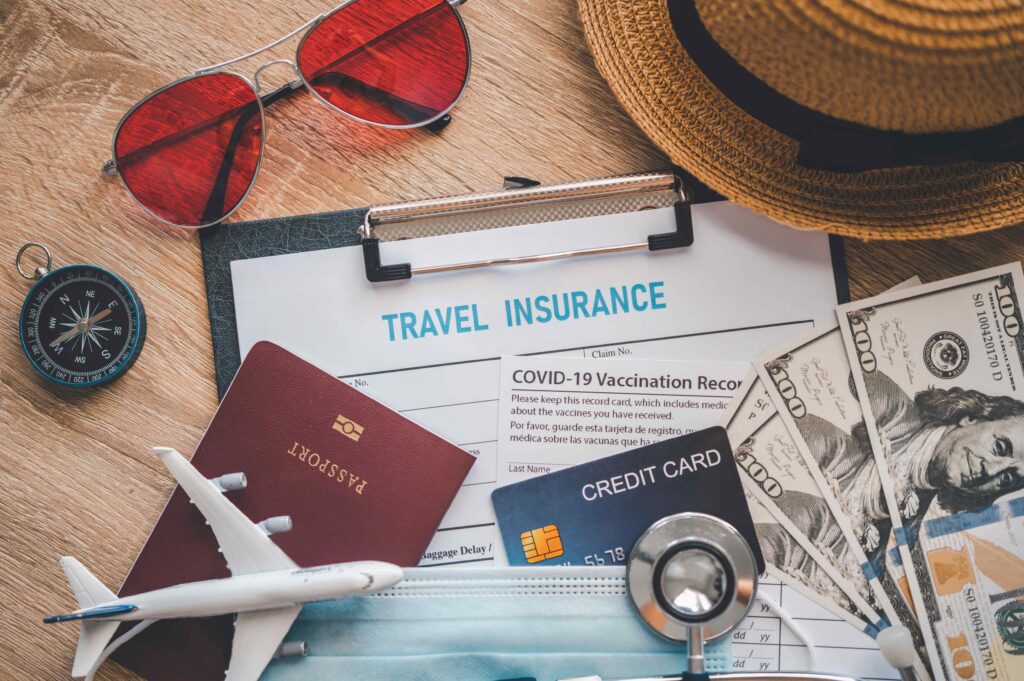
Scan your passport, ID, travel insurance policy, and any prescriptions before you leave. Email them to yourself. Save them in Google Drive. Keep a printed copy separate from your actual documents too.
I learned this after a friend lost her passport in Peru. Having a digital copy on her phone sped up the emergency replacement process dramatically at the embassy.
Staying Safe Once You’ve Landed
Once you’re actually traveling, small daily habits matter more than any single big precaution.
Step One: Blend In as Much as Possible
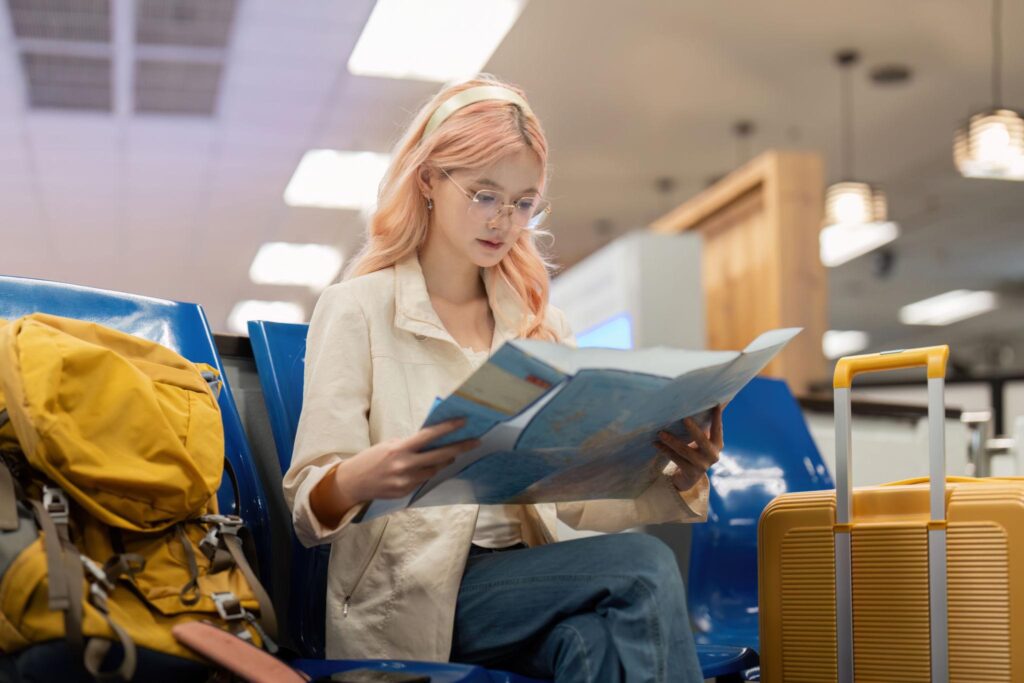
Obvious tourists get targeted more often. That doesn’t mean dressing like a local, since that’s unrealistic anyway. Just avoid the obvious giveaways. Skip the giant camera around your neck on a walk to dinner. Don’t wear expensive jewelry that draws attention. Keep map checking discreet instead of standing in the middle of a sidewalk looking lost.
I keep offline maps downloaded on Google Maps specifically for this. It lets me check my route quickly without standing around looking confused and vulnerable.
Step Two: Split Up Your Valuables
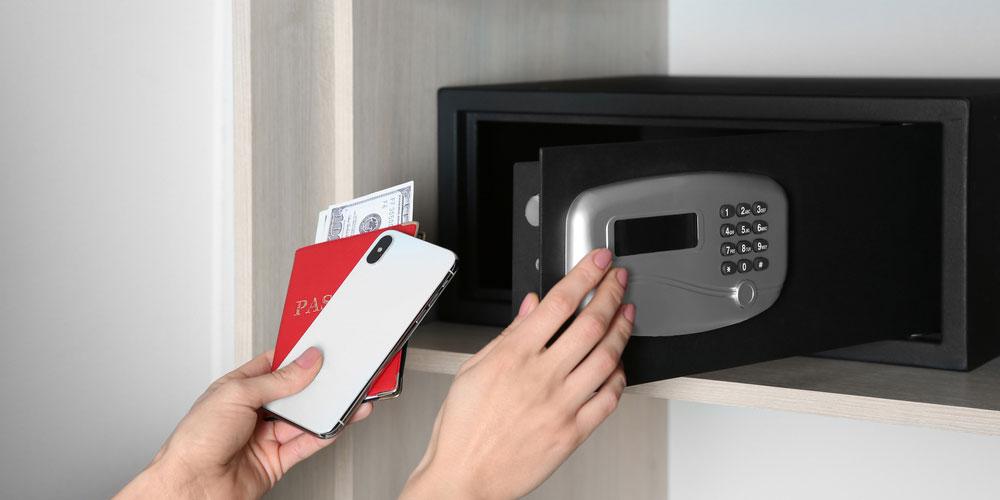
Never keep all your cash, cards, and documents in one place. I split mine between a front pocket, a hidden pouch, and my hotel safe. If one gets stolen or lost, you’re not completely stranded.
This habit came directly from the Barcelona metro incident. My phone was gone, but my cards and cash sat in two other spots. The trip wasn’t derailed, even though the afternoon definitely was.
Step Three: Use a Money Belt or Hidden Pouch for Cash
I resisted these for years because they looked ridiculous under clothing. Then I actually wore one on a few trips. Turns out nobody notices unless you’re pulling cash out in public. Brands like Pacsafe make ones that sit flat and don’t print through clothing awkwardly.
Keep your day-to-day spending cash in a regular wallet instead. Digging into a hidden pouch every time you need small bills actually defeats the purpose.
Step Four: Trust Your Gut About Situations
This sounds vague, but it’s one of the most reliable tools you have. A situation that feels off usually is off. Someone being unusually friendly out of nowhere, or a deal that seems too good, is a red flag worth listening to.
Someone in Marrakech once insisted on “helping” me find my hotel. He demanded payment once we arrived somewhere I hadn’t asked to go. Politely declining help from strangers who insert themselves uninvited has saved me from repeats of this since, even when it feels a little rude in the moment.
Step Five: Keep Your Phone Charged and Location Sharing On
A dead phone in an unfamiliar place turns a minor inconvenience into a real problem fast. I carry a small portable charger, usually an Anker PowerCore, in my daypack at all times.
I also share my live location with a trusted friend through apps like WhatsApp or Google Maps. This matters most when traveling solo or heading somewhere remote for the day. It costs nothing, and someone always knows roughly where you are.
Real Example: How This Played Out in Practice
Let me walk through one actual day where these habits mattered. Abstract advice sticks better with real context behind it.
I was in Lisbon, heading toward a viewpoint that required a somewhat sketchy uphill walk through quiet streets. Before leaving, I shared my live location with my sister. I downloaded the offline map for that area. My passport stayed locked in the hotel safe.
Halfway up, a man approached asking for directions in broken English. He somehow ended up walking beside me for several minutes despite my short responses. My gut said something felt off, even though nothing overtly bad happened. I ducked into a small café that happened to be open, ordered a coffee, and waited about ten minutes before continuing on a different route.
Nothing dramatic occurred. But having an exit plan, a populated place to duck into, and someone who knew my rough location meant I wasn’t relying purely on hope.
Common Mistakes Tourists Make
Oversharing travel plans on social media in real time is a big one. Posting “just landed, hotel for the next week” with your exact location tagged tells anyone watching that your home is empty right now. Save the posts for after you’re back, or stay vague about specifics while you’re still there.
Carrying your passport around all day is another common mistake. Most situations only need a photo or photocopy. Losing your only form of ID far from home creates way more hassle than the rare case where you’d need the original.
Ignoring local advice because it seems overly cautious is a mistake I’ve made myself. A hotel staff member warning you off a certain area after dark usually knows something you don’t, even if the street looks fine during the day.
Assuming your home country’s safety standards apply everywhere causes problems too. Traffic laws, water safety, and emergency response times vary dramatically between countries. A minor risk at home might be a genuine hazard somewhere else.
Skipping travel insurance to save money is probably the most expensive mistake tourists make. A minor injury requiring hospital treatment abroad can cost thousands without coverage. Companies like World Nomads offer policies built specifically for travelers, usually for a small fraction of what an actual emergency would cost.
Safety Tools Worth Actually Having
A few specific tools earned a permanent spot in my travel bag after enough trial and error.
A portable door lock, like the Addalock, adds extra security to hotel rooms when you’re not confident about the lock quality. It’s small, cheap, and takes seconds to use.
A whistle attached to your bag or keychain sounds excessive until you actually need to draw attention fast in a crowded or isolated area. It weighs nothing and takes up no space.
Offline translation apps matter more for safety than people realize. Google Translate’s downloaded language packs let you communicate clearly during an actual emergency, without relying on spotty data or hotel WiFi.
A physical, non-electronic backup map helps too. Phones die and data plans fail at the worst possible moments. I keep a folded paper map from the tourist information center in my bag on every international trip now.
Step-by-Step: Building Your Own Pre-Trip Safety Checklist
Here’s the actual process I run through before every trip, based on everything above.
Step one: research destination-specific scams using both government advisories and recent traveler forums.
Step two: register with your embassy’s travel program if your country offers one.
Step three: scan and back up your passport, ID, and any important medical documents.
Step four: buy travel insurance appropriate for your specific trip and planned activities.
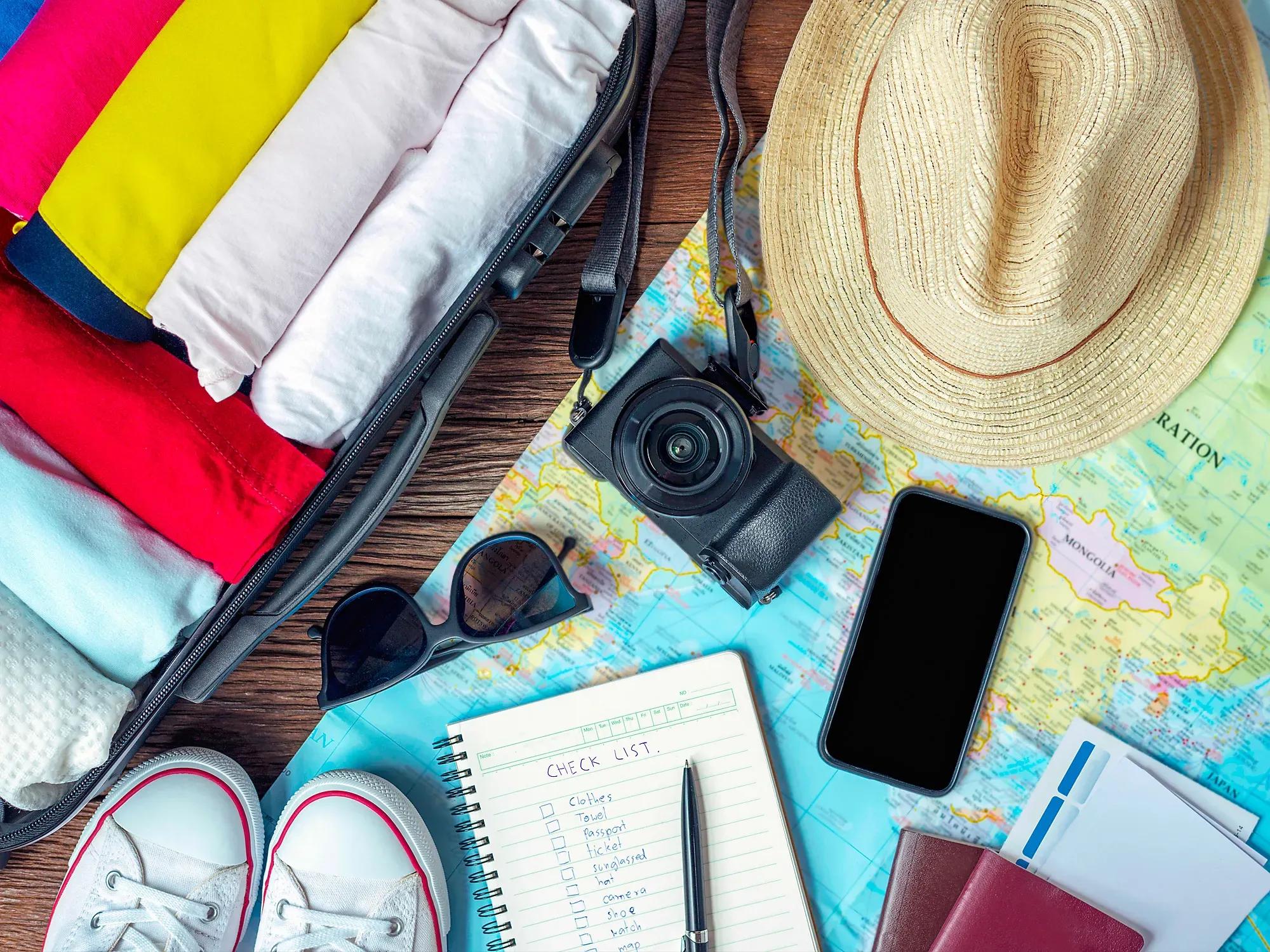
Step five: pack a portable charger, a physical backup map, and a hidden money pouch for valuables.
Step six: share your itinerary with someone trustworthy back home before you leave.
Step seven: download offline maps and translation packs before you land. Airport WiFi isn’t always reliable right away.
A Quick Note on Solo Travel Versus Group Trips
Solo travel changes the safety math a bit, and it’s worth calling out separately. When you’re on your own, there’s no second set of eyes watching your bag while you check a map, and no one else to notice if something feels wrong.
I lean harder on location sharing and offline maps when traveling solo than I ever do in a group. Checking in with someone back home once or twice a day, even just a quick text, becomes a habit worth keeping instead of an afterthought.
Group trips carry a different risk. It’s easy to assume someone else in the group is watching the bags, tracking the route, or keeping an eye on a friend who wandered off. Nobody ends up doing it. Assigning informal roles, even loosely, like one person handling navigation and another watching the group’s bags at a restaurant table, closes that gap without making anyone feel micromanaged.
Final Thoughts
None of this is about assuming the worst everywhere you go. Most trips go completely fine. Most people you meet while traveling are genuinely helpful, not scheming to rob you. The goal is reducing small, avoidable risks. That way, a minor incident like my Barcelona phone theft stays a minor inconvenience instead of derailing an entire trip.
I still travel constantly. Neighborhoods that make my hotel’s front desk raise an eyebrow still get explored. Strangers who end up giving genuinely great recommendations still get talked to. The difference now is a handful of quiet habits running in the background, ones a stolen phone and a few uncomfortable situations abroad taught me the hard way.
If a trip’s coming up soon, pick two or three of these habits you’re not already doing. Start there. You don’t need to overhaul your entire approach overnight. Small, consistent habits protect you far more than trying to remember a giant checklist while jet-lagged in an unfamiliar city.