
I have a drawer in my house that I call the graveyard. It’s full of gadgets I bought because a review convinced me they’d change my life, then used twice before shoving them in there to collect dust. A fancy electric wine opener. A smart water bottle that never once successfully reminded me to drink water. A gadget organizer for gadgets I no longer owned.

That drawer taught me something important. Most tech products are not actually worth the money, no matter how convincing the marketing sounds.
But a handful of things I’ve bought over the years genuinely earned their keep. Some I use daily. Some quietly fixed a problem I didn’t even realize was bothering me. I want to walk through those, along with the ones that flopped, so you can skip some of my expensive lessons.
Why Most Gadget Purchases Disappoint
I used to buy things purely based on hype. A product would show up on my social media feed, look impressive in a thirty-second video, and I’d convince myself it would solve some minor annoyance in my life.
The problem is most gadgets are designed to look exciting in a demo, not necessarily to be useful every single day. There’s a big difference between something that’s fun to unbox and something you’ll actually reach for a year later.
Once I started asking myself whether I’d use something weekly, not just once out of curiosity, my purchases got a lot smarter and my graveyard drawer stopped growing.
Gadgets I’ve Actually Used for Years
A Good Pair of Wireless Earbuds
I resisted buying wireless earbuds for a long time, mostly because I didn’t want to lose an expensive pair after hearing horror stories from friends. I finally got a pair of AirPods Pro a few years back and genuinely use them almost every day, walking the dog, cleaning the house, taking calls while cooking.
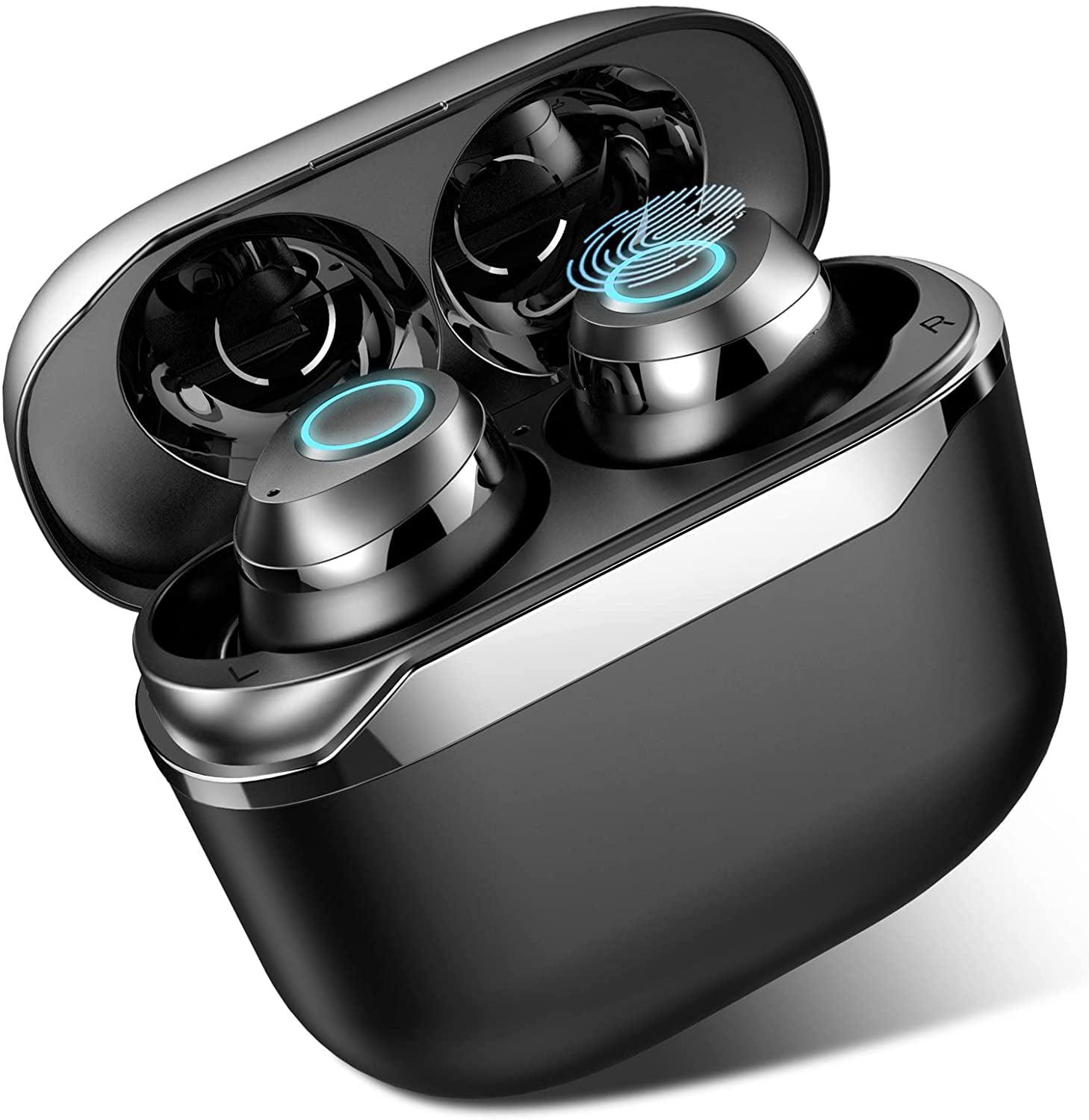
The noise cancellation feature turned out to be more useful than I expected, especially on flights and in noisy coffee shops. I’ve replaced the ear tips once and the battery still holds up reasonably well for daily use.
An E-Reader
I was skeptical that a Kindle could replace actual books, since I genuinely love the feel of paper pages. Turns out it didn’t replace physical books entirely, but it solved a real problem, carrying multiple books on trips without adding weight to my bag.
I now read significantly more than I did before owning one, mostly because it’s always in my bag and doesn’t require me to remember which physical book I was in the middle of.
A Smart Plug or Two
This one surprised me. I bought a couple of basic smart plugs mainly to turn my living room lamp on and off with my phone, thinking it was a mostly unnecessary convenience.
It ended up being genuinely useful for scheduling lights to turn on before I get home in winter, which makes walking into a dark house feel a lot less depressing. I use TP-Link Kasa plugs specifically, and setup took less than ten minutes total.
A Portable Charger
I learned this lesson the hard way after my phone died during a long travel day with no outlet in sight. Now I never leave the house for a full day without a portable charger in my bag.
Mine is a basic Anker battery pack, nothing fancy, but it’s saved me more times than I can count, especially during long flights or days spent out with a toddler where my phone doubles as entertainment, camera, and navigation all at once.
A Mechanical Keyboard
I didn’t expect this one to make the list, but switching to a mechanical keyboard for work genuinely changed how much I enjoy typing all day. I went with a Keychron model since it works with both my work laptop and personal computer without much hassle.
Typing feels noticeably more comfortable, and I’ve had fewer wrist aches since making the switch, though I’d guess results vary depending on your specific setup and typing habits.
Step-by-Step: Deciding If a Gadget Is Actually Worth Buying
Here’s the process I use now before buying anything new, built from years of impulse purchases I regretted.

Step one: Identify the actual problem you’re solving
Before buying anything, I ask myself what specific annoyance this gadget fixes. If I can’t name a real problem, that’s usually a sign I’m buying based on hype rather than need.
Step two: Check if you’ll use it weekly, not just occasionally
Products used constantly earn their price much faster than ones reserved for rare occasions. My earbuds get used daily. That expensive electric wine opener got used maybe four times a year before I gave it away.
Step three: Read reviews from actual long-term users
I’ve learned to skip the flashy unboxing videos and look for reviews from people who’ve owned something for six months or longer. Reddit threads and YouTube channels like The Verge or Marques Brownlee tend to give more honest, long-term takes than a thirty-second promotional clip.
Step four: Compare against what you already own
Sometimes a new gadget promises to solve a problem that something you already own could handle just fine with a small adjustment. I almost bought a dedicated baby monitor camera before realizing an old phone with a simple video call app did the exact same job for free.
Step five: Set a trial period for yourself
For pricier purchases, I now give myself a week to think it over before buying. Most impulse urges fade within a few days, and if I’m still thinking about it a week later, that’s usually a decent sign it’s worth the money.
Gadgets That Didn’t Live Up to the Hype
I want to be honest about the misses too, since that’s just as useful as the wins.

A smart water bottle that was supposed to remind me to drink more water through app notifications. I used it for about two weeks before the novelty wore off completely.
A robot vacuum that struggled constantly with my apartment’s rugs and cords, spending more time stuck than actually cleaning. I eventually sold it secondhand at a loss.
A fancy smart mug designed to keep coffee at a perfect temperature. Nice idea in theory, but I found myself forgetting to charge it more often than actually using its main feature.
None of these were necessarily bad products. They just didn’t fit how I actually live, which is exactly the lesson I keep relearning with every impulse purchase.
Real Example: How I Test Gadgets Now
Last year I was considering a smart doorbell camera after a package went missing from my porch. Instead of buying immediately, I researched three options, a Ring, a Google Nest, and an Eufy model, comparing subscription costs since some require monthly fees for video storage while others don’t.
I ended up choosing the Eufy option specifically because it stores video locally without requiring a subscription, which mattered to me since I didn’t want another recurring monthly charge added to my budget.
Six months later, I still use it regularly and it’s paid for itself in peace of mind alone, catching a delivery issue that helped me get a refund from a shipping company for a package that was actually left at the wrong address.
Common Mistakes to Avoid
Buying based on a single viral video. I’ve fallen for this more times than I want to admit. A product looking impressive in a fifteen-second clip doesn’t mean it’ll be useful in your actual daily routine.
Ignoring hidden subscription costs. Some gadgets look affordable upfront but require ongoing app subscriptions to unlock their full features. Always check for this before buying, since it can add up significantly over a year.
Buying the newest version just because it’s newest. I’ve learned that waiting even six months after a new release often means better pricing and more reliable reviews, since early adopters usually catch the bugs first.
Skipping the return policy check. I once bought a gadget from a smaller online retailer with no real return window, and when it stopped working after three weeks, I was stuck with nothing to show for the money spent.
Assuming expensive automatically means better. Some of my favorite, most-used gadgets were actually on the cheaper end of their category. Price doesn’t always correlate with how useful something ends up being in daily life.
A Few Notes on Where I Research Before Buying
Wirecutter, owned by The New York Times, tends to give thorough, practical reviews rather than just hype-driven takes.
Reddit communities specific to a product category, like r/headphones or r/smarthome, usually have honest long-term user experiences buried in the comments.
RTINGS.com for anything related to audio equipment or monitors, since their testing tends to be detailed and consistent across products.
YouTube channels that specifically do long-term follow-up reviews, months after initial release, rather than just day-one unboxing content.
Final Thoughts
The gadgets actually worth your money are rarely the flashiest ones on social media. They’re usually the boring, practical products that quietly solve a real problem you deal with regularly.
Before your next tech purchase, ask yourself honestly whether you’ll use it weekly, not just during that first exciting week after unboxing. That single question has saved me more money than any discount code ever has.
My graveyard drawer still exists as a reminder, half joke and half genuine lesson. Buy less, buy smarter, and let the things you already own earn their spot before adding something new to the pile.