
What I Learned After Way Too Many Overstuffed Suitcases
I once paid a forty dollar overweight baggage fee for packing four pairs of shoes on a three day trip. Standing at that airport counter, watching the agent weigh my bag with a slightly judgmental look, I finally admitted my packing system was broken.
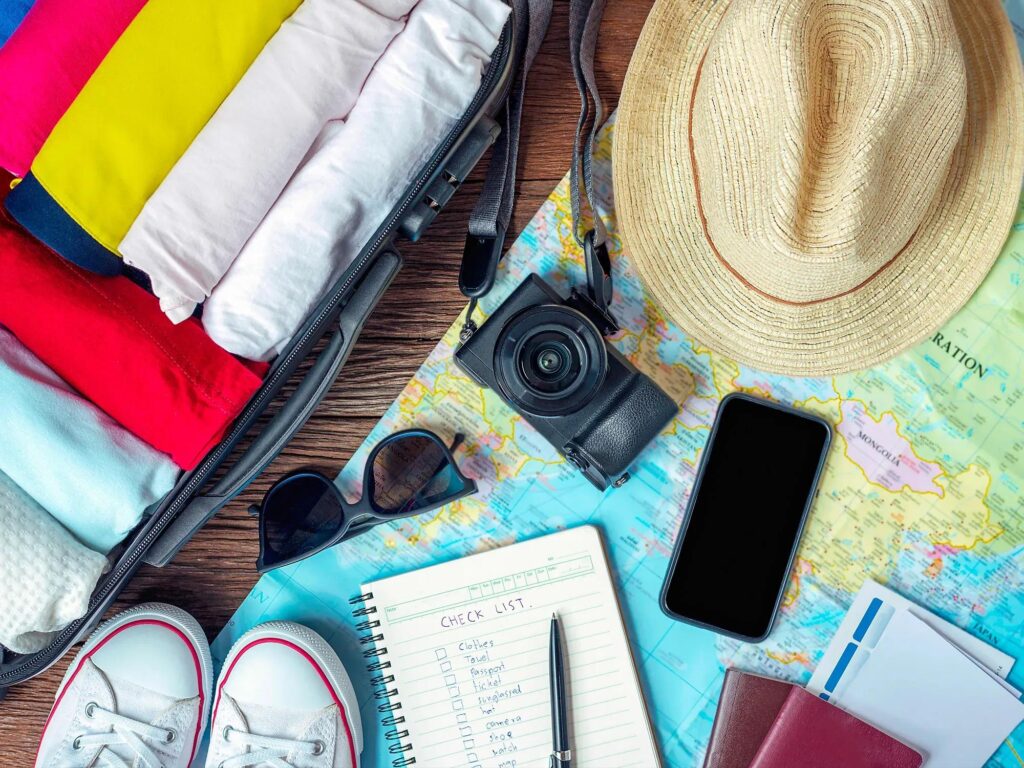
That embarrassing moment sent me down a rabbit hole of actually figuring out how to pack well. Not just “roll your clothes” advice you see everywhere. I wanted the real logistics of fitting everything into something manageable.
Years and countless trips later, I’ve got a system that works. It’s saved me money on baggage fees. It’s saved my back from dragging oversized suitcases through cobblestone streets. Honestly, it’s made getting ready for trips way less stressful too. Here’s everything that actually made a difference.
Why Most People Overpack Without Realizing It
Overpacking rarely happens on purpose. It creeps in through a series of small decisions that each feel reasonable in the moment.
“Just in case” is the biggest culprit. Packing a third pair of shoes just in case the first two don’t work out. An extra jacket just in case the weather changes. A whole toiletry bag of products just in case you need them. Each individual item seems harmless, but they add up fast.
The other issue is packing for an imaginary version of the trip rather than the real one. I used to pack workout clothes for every trip assuming I’d exercise, even though I almost never actually did. Being honest about your real habits, not your aspirational ones, changes what actually needs to go in the bag.
Building a Packing System That Actually Works
Start With a Master List, Not a Fresh One Every Time
For years I made a new packing list from scratch before every trip. That meant forgetting something different every single time. Building one master list I reuse and adjust changed that completely.
I keep mine in a simple notes app, organized by category: clothing, toiletries, electronics, documents. Before each trip, I copy the master list and delete anything irrelevant to that specific trip rather than building from nothing.
Lay Everything Out Before It Goes in the Bag
This step felt unnecessary the first time I tried it, but it’s become non-negotiable now. Laying every single item out on the bed before packing shows you exactly how much stuff you’re dealing with. Seeing it visually, before it disappears into a suitcase, changes everything.
Seeing everything spread out makes overpacking obvious in a way that packing item by item never does. I’ve cut items just from seeing the pile look bigger than expected.
The Capsule Wardrobe Approach for Clothes
Packing a separate outfit for every single day used to be my default. Honestly, it’s the biggest source of overpacking for most people. Switching to a small capsule of mix-and-match pieces solved this almost entirely.
I now pack around three or four bottoms and five or six tops that all coordinate with each other. One layering piece, like a cardigan or light jacket, rounds it out. That combination creates way more outfit options than the item count suggests, without the bulk of a full separate outfit per day.
Step-by-Step: How I Pack for Any Trip Now
Here’s the actual process I follow every single time, whether it’s a weekend trip or a three week vacation.
Step one: Check the weather forecast, not just the season. I used to pack based on general assumptions about a destination’s climate. Checking the actual forecast a few days before departure prevents packing for weather that isn’t going to happen.
Step two: Choose a color scheme before selecting individual pieces. Sticking to two or three coordinating colors means almost everything in the bag can mix and match. This single decision has cut my clothing volume more than any other packing trick.
Step three: Roll clothes instead of folding them. This tip gets repeated everywhere for good reason. Rolled clothes take up noticeably less space than folded ones and tend to wrinkle less as a bonus.
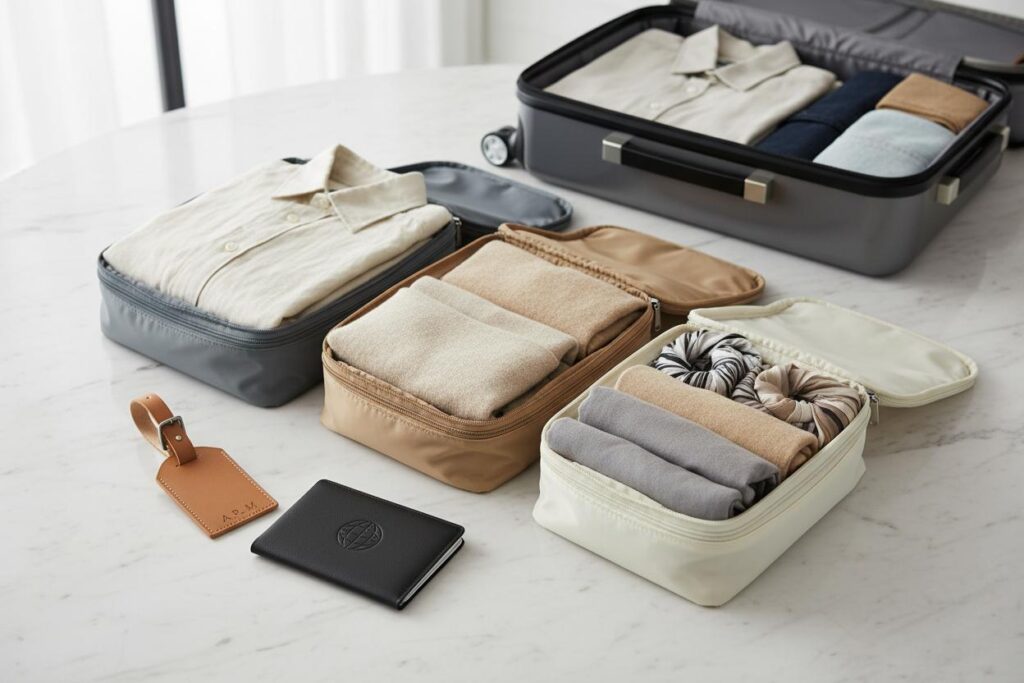
Step four: Use packing cubes to separate categories. I resisted buying these for years, assuming they were an unnecessary expense. Once I finally tried a set, I noticed the difference right away. Packing and unpacking became much faster, and my bag stayed better organized mid-trip.
Step five: Fill dead space with small items. Socks stuffed inside shoes, small items tucked into gaps between larger ones. This maximizes the space you already have rather than wasting it.
Step six: Pack a day bag inside your main bag. A foldable daypack takes up almost no room packed flat, but gives you a separate bag for day trips once you arrive. This small addition has saved me from carrying my entire suitcase around during day excursions more than once.
Step seven: Weigh your bag before leaving home. A cheap luggage scale removed all the guesswork that led to that embarrassing overweight fee years ago. Weighing at home means no surprises at the airport counter.
Packing Smart for Different Trip Types
Weekend Trips
For anything under four days, a carry-on sized bag should handle everything. I stick to my capsule wardrobe principle here even more strictly, usually just two bottoms and enough tops to cover each day with one layering piece.
Skipping checked baggage entirely for weekend trips saves both money and time, since you walk straight past baggage claim on arrival.
Business Trips
Business trips require a slightly different approach since wrinkle resistance matters more. I invest in a few genuinely good hangers and pack dress items using the bundle wrapping method instead of rolling, which keeps them noticeably less creased.
A portable steamer has become one of my favorite business trip additions. It’s small enough to pack easily and solves wrinkle problems faster than trying to iron in an unfamiliar hotel room.
International Trips
Longer international trips tempt people into overpacking the most, since the assumption is you’ll need more for more time away. In reality, most destinations have laundry options, whether that’s a hotel service or a local laundromat. That makes it unnecessary to pack a full outfit for every single day, even on longer trips.
I research laundry access before longer international trips specifically so I can pack lighter with confidence, knowing I can refresh my clothing supply partway through.
Adventure or Outdoor Trips
These trips genuinely require more specialized gear. The challenge becomes packing efficiently around bulkier items like hiking boots or rain jackets. Wearing the bulkiest items during travel instead of packing them saves significant suitcase space.
I also prioritize multi-purpose gear for these trips specifically. A single jacket that works as both rain protection and warmth beats packing two separate items that each do one job.
Real Examples From My Own Packing Mistakes
The Four Pairs of Shoes Disaster
That overweight baggage fee I mentioned earlier taught me shoes are almost always the heaviest, bulkiest items in any bag. Now I limit myself to two pairs maximum for most trips, one comfortable walking option and one slightly dressier pair that can work for evenings.
The Toiletry Bag That Weighed More Than My Clothes
I used to pack full sized bottles of everything, assuming travel sized products wouldn’t be enough. Switching to actual travel sized containers, refilled from my regular products at home, cut that bag’s weight dramatically. Nothing I actually needed got left behind either.
The Just-In-Case Jacket That Never Left the Bag
I packed a heavy jacket for a spring trip to a mild climate destination purely out of anxiety about unexpected cold weather. It never left my suitcase the entire trip and took up space that could have gone to something actually useful.
The Packing Cube Conversion
I was genuinely skeptical that packing cubes would make a real difference beyond just organization. After using them on one trip, unpacking at each hotel took a fraction of the time it used to. My bag stayed noticeably more organized throughout the entire trip instead of turning into chaos by day three.
Common Mistakes to Avoid When Packing
Packing for a version of yourself that doesn’t match your real habits. Be honest about whether you’ll actually use that workout gear or wear those heels. Aspirational packing adds weight without adding value.
Bringing a separate outfit for every single day. A capsule wardrobe approach almost always provides more real outfit combinations while taking up significantly less space.
Ignoring the actual weather forecast. General climate assumptions often miss real-time conditions. Check closer to departure and adjust accordingly.
Skipping the luggage scale. This tiny investment prevents an expensive surprise at the airport check-in counter, especially for international flights with stricter weight limits.
Forgetting to leave room for souvenirs or purchases. Packing a bag completely full on the way out leaves no space for anything acquired during the trip. Leaving even a small buffer avoids the awkward struggle of trying to zip an overstuffed bag on the way home.
Tools and Apps That Make Packing Easier
PackPoint generates a customized packing list based on your destination, trip length, and planned activities. This removes a lot of the guesswork from building a list from scratch.
Eagle Creek packing cubes have become a permanent fixture in my luggage after converting from a skeptic to a firm believer in their usefulness.
A digital luggage scale for weighing bags at home before ever stepping foot in an airport.
Google Weather or a similar reliable forecast app for checking real conditions close to departure instead of relying on seasonal assumptions.
A portable travel steamer specifically for business trips or anywhere wrinkle-free clothing actually matters.
Final Thoughts
Packing efficiently isn’t really about owning the fanciest gear or memorizing a hundred different folding techniques. It’s about being honest with yourself about what you’ll actually use. It’s also about building a repeatable system instead of reinventing your approach before every single trip.
Every mistake on this list taught me something that made the next trip smoother. That overweight baggage fee years ago genuinely changed how I pack for good, even though it stung at the time.
If your suitcase has ever felt like a battle to zip closed, try just one change from this list on your next trip. A capsule wardrobe, a luggage scale, actual packing cubes, whichever feels most doable. Small adjustments here make a real difference, and eventually packing stops feeling like a stressful chore and starts feeling like second nature.