

I had eighty three dollars in my checking account the week I decided to start my first real side business. Not eighty three thousand. Eighty three dollars, and half of that was already earmarked for rent. Every business advice video I watched back then talked about “investing in yourself” and “scaling with capital,” which felt like a joke when I could barely afford a decent lunch.

That eighty three dollars turned into a small freelance writing gig, then a handful of clients, then eventually a real income stream that helped me quit a job I hated. None of it required a business loan, a fancy office, or savings I did not have.
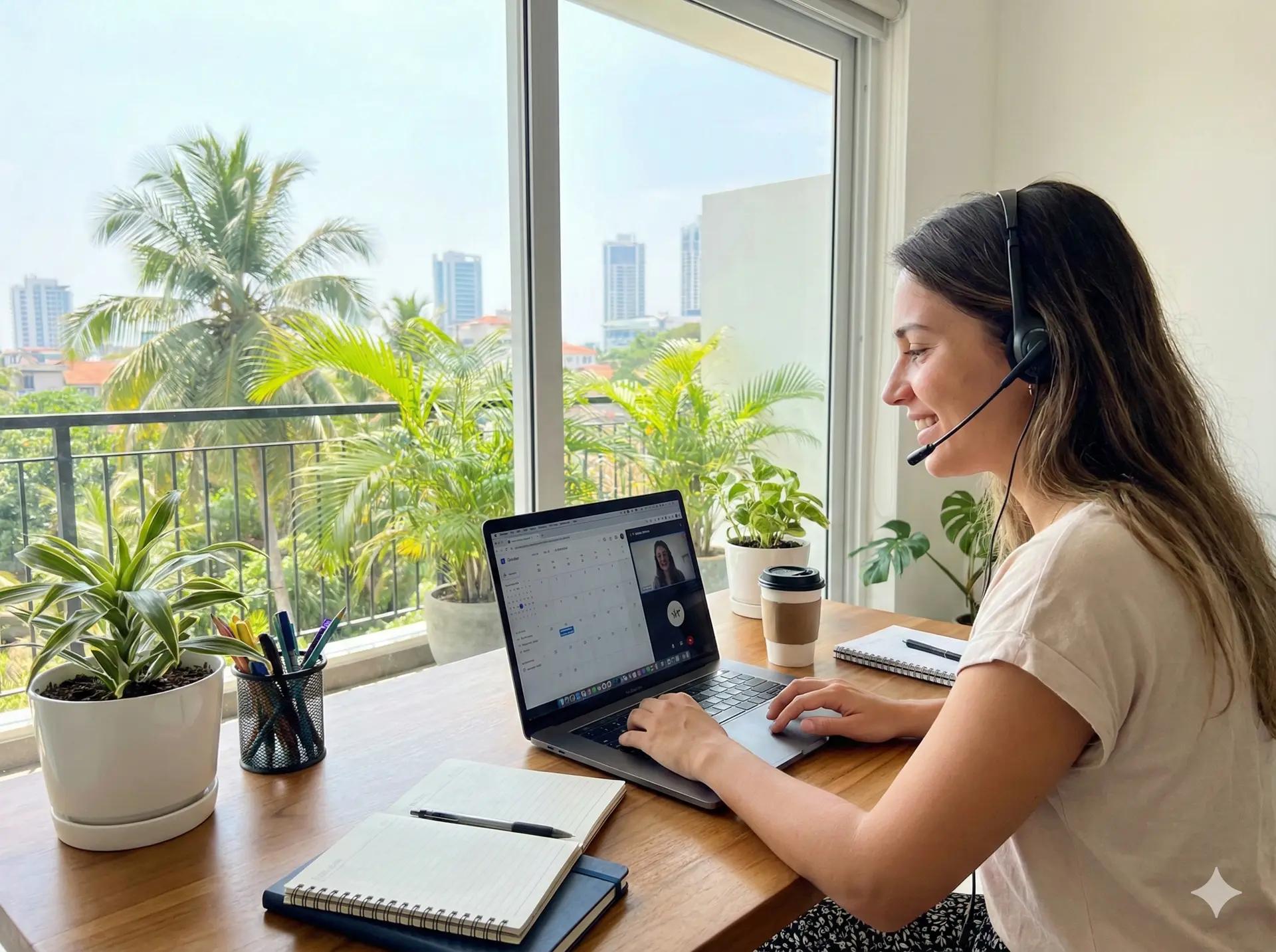
A lot of people assume starting a business means investors, storefronts, and years of savings sitting in the bank. That version exists, sure, but it is far from the only path. Plenty of legitimate businesses start on kitchen tables, laptops, and borrowed WiFi.
I have watched this play out among people I know too, not just in my own experience. A neighbor turned a spare bedroom into a small alterations business using a sewing machine she already owned. Another friend from college started tutoring on weekends using nothing but a whiteboard and a Zoom link. None of them waited for permission or perfect conditions before starting.
This article covers ideas that genuinely work on a tight budget, along with the mistakes I made trying to shortcut the process and the lessons that actually stuck.
Why You Do Not Need a Big Budget to Start
Most beginners overestimate what a business actually needs upfront. Skills, time, and consistency matter far more than a big bank account in the early stages.
Digital tools leveled the playing field in a way that did not exist a couple decades ago. A laptop, a phone, and free platforms like Canva, Google Docs, and social media accounts cover most of what a new business genuinely needs to get moving, at least in the early testing stages before real investment makes sense.
Service-based businesses especially require almost no upfront cost, since the product being sold is skill and time rather than physical inventory. That single fact eliminates the biggest financial barrier most people assume exists before starting anything, and it explains why so many of the ideas below can realistically start within a single weekend.
Mistakes I Made Chasing Ideas That Sounded Bigger Than They Were

Before landing on something that worked, plenty of failed attempts happened first. Sharing these feels more useful than pretending everything went smoothly from day one.
Dropshipping seemed like the obvious answer after watching countless YouTube videos promising fast results. Spending nearly two hundred dollars on ads for a product that barely sold taught a painful lesson about underestimating competition and overestimating demand.
Buying an expensive course on “passive income secrets” wasted another chunk of savings that could have gone toward something with actual returns. Most of that course rehashed free information available through a basic Google search, wrapped in flashy marketing.
Trying to build a business around something with zero personal interest killed motivation within a few weeks every single time. Passion alone does not guarantee success, but genuine interest makes the inevitable slow months far easier to push through.
Business Ideas You Can Actually Start With Little Money
These are ideas that require minimal startup cost, mostly under a hundred dollars, sometimes nothing beyond a phone and internet connection.
Freelance Writing
Freelance writing became my own entry point, and it remains one of the lowest-cost businesses to start. Platforms like Upwork and Fiverr connect new writers with clients looking for blog posts, product descriptions, and website copy.
Building a small portfolio, even just three or four sample pieces written for free initially, helps land that first paying client. Rates start low but climb steadily once a track record and testimonials build up over time.
Virtual Assistant Services
Businesses constantly need help with scheduling, email management, and administrative tasks, and many cannot afford a full-time employee for that work. Virtual assistant work fills that gap perfectly for someone organized and comfortable with basic office software.
Getting started requires little beyond a computer and reliable internet. Sites like Belay and Fancy Hands hire virtual assistants directly, while Upwork offers a broader marketplace of clients posting individual projects.
Social Media Management

Small businesses frequently know they need social media presence but lack the time or knowledge to manage it well. Offering to run Instagram or Facebook accounts for local businesses can start as a side hustle with zero upfront investment beyond a smartphone.
Learning basic scheduling tools like Later or Buffer, both offering free tiers, makes managing multiple client accounts far more efficient than manually posting everything daily.
Print on Demand Products
Print on demand eliminates the inventory risk that sank my dropshipping attempt. Platforms like Printful and Printify integrate directly with Etsy or Shopify, printing and shipping products only after a customer actually orders.
Designing simple graphics through Canva costs nothing beyond time, and testing a handful of designs before committing to a larger product catalog avoids wasting money on ideas that never sell.
Pet Sitting and Dog Walking
Apps like Rover and Wag connect pet sitters directly with local pet owners needing walks, boarding, or drop-in visits. Startup cost sits close to zero beyond maybe a leash and some poop bags already sitting in most homes anyway.
A neighbor of mine built this into a full-time income within a year, purely through word of mouth after building solid reviews on Rover early on.
Cleaning Services
Basic house cleaning requires supplies most households already own, plus reliable transportation to get between clients. Starting with a handful of neighbors or friends before expanding through referrals keeps startup costs close to nothing beyond gas money.
Posting on Facebook Marketplace or local community groups tends to generate the first few clients faster than expected, especially in areas where cleaning services run expensive through larger companies.
Resume and Cover Letter Writing
Job seekers regularly pay for professional help polishing resumes, especially during competitive hiring seasons. This business requires strong writing skills and some research into current resume formatting trends, both learnable through free resources online.
Fiverr and LinkedIn both work well for finding early clients, and building a small collection of before-and-after resume samples helps demonstrate value to potential customers browsing for help.
Photography for Local Businesses
Restaurants, real estate agents, and small shops constantly need decent photos for websites and social media, yet many cannot justify hiring an expensive professional studio. A smartphone with a good camera, combined with basic editing through free apps like Snapseed, covers most beginner needs.
Offering a discounted first session in exchange for a testimonial and permission to use the photos in a portfolio builds credibility fast without requiring expensive camera gear upfront.
Reselling Thrifted or Clearance Items
Buying underpriced items from thrift stores, clearance racks, or garage sales, then reselling them through Poshmark, eBay, or Facebook Marketplace, turns a genuine profit for people willing to put in research time. Learning which brands and item types resell well matters more than any fancy equipment.
I know someone who started this with a single twenty dollar investment in thrifted jackets and turned it into consistent monthly income within about six months, simply by learning what sold fast versus what sat unsold for weeks.
Tutoring and Online Coaching
Anyone with strong knowledge in a subject, whether academic, musical, or fitness related, can offer tutoring or coaching sessions online through platforms like Wyzant or simply through word of mouth and social media. Zoom handles the video call side for free at the basic tier.
Building a simple booking system through a free tool like Calendly saves back-and-forth scheduling messages once demand starts picking up beyond a couple regular clients.
Handmade Crafts on Etsy
Anyone skilled at crafting, whether jewelry, candles, or home decor, can open an Etsy shop for a small listing fee per item. Materials cost varies depending on the craft, but starting small with a limited product line keeps initial investment manageable.
Photography quality matters enormously for handmade product sales, and natural window light combined with a plain background often produces better results than expensive studio setups for beginners still testing what sells.
Mobile Car Detailing
Car owners regularly pay for detailing services but hate driving to a shop and waiting around. Offering mobile detailing that comes directly to a customer’s driveway fills that convenience gap, requiring only basic cleaning supplies and a vacuum to start.
Word of mouth spreads quickly in this business once a few satisfied customers post before-and-after photos on their own social media, essentially providing free advertising.
Lawn Care and Yard Work
Basic lawn mowing and yard cleanup requires equipment many people already own, or can borrow initially before investing in dedicated gear. Seasonal demand makes this a solid supplemental income source, especially in neighborhoods with older residents unable to handle yard work themselves.
Flyers left in mailboxes, combined with a simple Facebook post in local community groups, generated my cousin’s first ten clients without spending a cent on advertising.
Bookkeeping for Small Businesses
Small business owners frequently fall behind on bookkeeping, creating steady demand for someone organized and comfortable with basic accounting principles. Free courses through platforms like Coursera cover the fundamentals needed to start offering basic bookkeeping services.
QuickBooks offers a free trial that covers most beginner client needs, and building expertise with that single platform makes marketing services to small businesses considerably easier.
Translation Services
Fluency in a second language opens up translation work for documents, websites, and even video content needing subtitles. Sites like ProZ and Upwork both list translation gigs regularly, and building a portfolio starts with volunteering translation help for nonprofits or small local businesses.
This idea requires genuinely zero financial investment beyond time, making it one of the most accessible options on this entire list for anyone bilingual.
Meal Prep and Home Cooking Services
Busy professionals and families frequently pay for prepared meals delivered locally, without needing a full restaurant setup or commercial kitchen in most areas that allow home-based food businesses under a cottage food license. Checking local regulations first matters here more than with most ideas on this list, since food safety rules vary significantly by location.
Starting with a small menu of two or three dishes, sold through a local Facebook group or neighborhood app like Nextdoor, keeps initial investment limited to ingredients and basic packaging.
Simple Online Courses or Digital Guides
Anyone with specialized knowledge, whether a hobby, professional skill, or academic subject, can package that knowledge into a simple digital guide or short course sold through platforms like Gumroad or Teachable. Startup cost sits close to zero beyond time spent creating the content itself.
I made my first digital guide using nothing more than Google Docs converted to a PDF, and it sold steadily for months after some initial promotion through social media and a small email list built through Mailchimp’s free tier.
Step-by-Step: How to Actually Start Any of These Ideas
Picking an idea only solves half the problem. Actually launching it requires a clear, simple process rather than overthinking every detail before taking action.
Pick One Idea and Commit for Thirty Days
Jumping between five different business ideas within the same month kills momentum before anything gets a fair chance to work. Committing to one idea for a full month, even part-time around a regular job, provides enough runway to judge whether it has real potential worth pursuing further.
Set Up Free Tools Before Spending Anything
Canva handles graphic design needs for free. Google Workspace covers documents, spreadsheets, and email. Wix or a free Linktree page covers basic online presence without paying for a full website immediately. Spending money before testing demand almost always backfires.
Find the First Three Clients Through People You Already Know
Cold outreach to strangers rarely converts well for a brand new business with zero track record. Friends, family, and existing social media connections usually provide the first few clients or customers far more easily than random advertising ever could.
Collect Testimonials From the Start
Every early client, even ones charged a discounted rate for the experience, should get asked for a short testimonial afterward. These testimonials become the single most persuasive marketing tool for convincing future clients to take a chance on a new business.
Reinvest Slowly as Income Comes In
Once actual income starts flowing, reinvesting a portion into better tools, ads, or equipment makes sense. Reinvesting money that does not exist yet, through loans or credit cards, creates unnecessary risk during a stage where the business model is still being tested.
A simple rule that worked well personally involved setting aside roughly a third of early income back into the business, whether for better software, small paid ads to test demand, or basic equipment upgrades. The remaining income stayed as actual profit, which kept motivation high without starving the business of resources it needed to grow steadily.
Real Examples From People I Actually Know
A former coworker started freelance graphic design nights and weekends while still working full time. Within eight months, freelance income matched her regular salary, and she made the leap to full-time freelancing shortly after.
My cousin turned a simple lawn care side hustle into a small crew of three employees within two years, entirely funded through reinvested profits rather than any outside loan or investment.
A friend from college began tutoring high school math students through word of mouth alone. What started as a way to earn some extra cash during grad school turned into a small tutoring business with a waitlist of students within a year and a half.
None of these stories involved massive starting capital. Each one started small, stayed consistent, and reinvested earnings gradually rather than expecting instant results.
Common Mistakes to Avoid
Chasing trends instead of genuine skill or interest sets most new businesses up for early failure. Whatever gets picked should align with something the founder actually enjoys or excels at, since the early months rarely feel glamorous or profitable.
Underpricing services out of fear of rejection creates a difficult cycle to escape later. Charging appropriately from the beginning, even if it feels uncomfortable at first, sets a healthier foundation than gradually trying to raise prices on clients used to bargain rates.
Spending money on advertising before confirming actual demand wastes resources that could fund something more useful. Testing an idea through free channels first, like social media or word of mouth, confirms interest before any paid promotion gets involved.
Ignoring basic bookkeeping from the start creates a mess that becomes far harder to untangle once a business grows. Even a simple spreadsheet tracking income and expenses from day one saves enormous headaches later, especially around tax season.
Trying to do everything alone for too long leads to burnout faster than most new business owners expect. Outsourcing small tasks, even something as simple as scheduling or basic design work, once income allows for it frees up time for higher value activities.
Comparing progress to other people’s highlight reels on social media causes unnecessary discouragement during the early months. Most successful business owners only share the polished results, rarely the months of slow, unglamorous work that actually built the foundation behind those results.
Quick Answers to Common Questions
How much money do I actually need to start a business?
Most service-based ideas on this list can start with under a hundred dollars, and several require close to nothing beyond a phone, internet connection, and existing skills.
Do I need to register a business right away?
Not usually at the very beginning, though this depends on location and the specific type of work involved. Testing an idea informally first, then registering once real income and client demand appear, tends to make more sense than paying registration fees before knowing whether the idea will work.
How long does it typically take to see real income?
This varies enormously depending on the idea, effort, and existing network, but most of the examples mentioned here took somewhere between three months and a year before income became consistent and meaningful.
Should I quit my job to start a business with little money?
Generally not right away. Building a side business alongside a regular income reduces financial pressure and allows more patience during the slower early months, rather than forcing quick decisions out of desperation.
What Actually Separates the Ideas That Work From the Ones That Fail
Looking back across every failed attempt and eventual success, a clear pattern emerges. Ideas that worked shared consistency, a genuine skill behind them, and patience through the inevitable slow early months.
The failed attempts told a different story. They usually chased quick results, relied on hype rather than actual demand, or gave up within the first few weeks before any real traction had a chance to build. Overnight success rarely happens in business, regardless of how little or how much money gets invested initially.
Final Thoughts
Starting a business with little money is not some rare exception reserved for lucky people. Plenty of real, sustainable businesses started this exact way, built slowly through consistent effort rather than a lucky break or big investment.
Pick one idea from this list that genuinely fits existing skills or interests. Start small, track results honestly, and give it real time before deciding whether it works. That eighty three dollars I started with years ago felt insignificant at the time, but it turned out to be more than enough to begin.
Looking back now, the lack of money at the start actually forced better habits early on. Every decision got weighed carefully instead of thrown at the wall hoping something would stick. That kind of discipline tends to stick around long after the bank balance improves, and it usually ends up being worth more than any amount of starting capital ever could.