
A few years back I booked a trip to Bali in January without checking one important detail, the monsoon season. I landed to grey skies, flooded streets, and a beach that looked more like a swimming pool with debris floating in it. My “tropical getaway” turned into five days of watching rain from a hotel window.
That trip taught me something obvious in hindsight but easy to overlook when you’re excited about booking flights. Timing matters just as much as the destination itself.
Since then I’ve gotten pretty methodical about matching trips to seasons instead of just picking a place because it looked nice in photos. This guide is everything I’ve learned along the way, through good trips, a few disasters, and a lot of research that came after those disasters.
Why Season Matters More Than Most People Realize
Here’s something that surprised me early on. The same destination can feel like two completely different places depending on when you visit.
Take Iceland. Summer gives you nearly 24 hours of daylight, green landscapes, and easy road trips around the Ring Road. Winter gives you the northern lights, snow-covered volcanic terrain, and roads that can close without warning. Both versions are incredible, but they’re basically different trips wearing the same country’s name.
Once I started planning around seasons instead of just picking dates that worked with my job schedule, my trips got noticeably better. Fewer surprises, better weather, and honestly, better photos too.
Spring Travel: When Nature Wakes Up
Spring tends to be my favorite season for travel, mostly because of the balance. Crowds haven’t hit peak summer levels yet, prices are usually more reasonable, and the weather is comfortable enough to explore without melting or freezing.
Japan
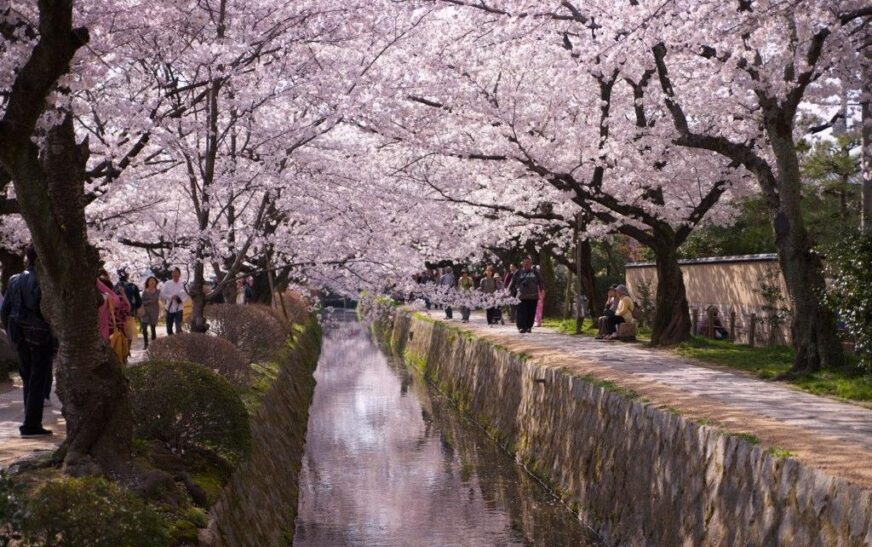
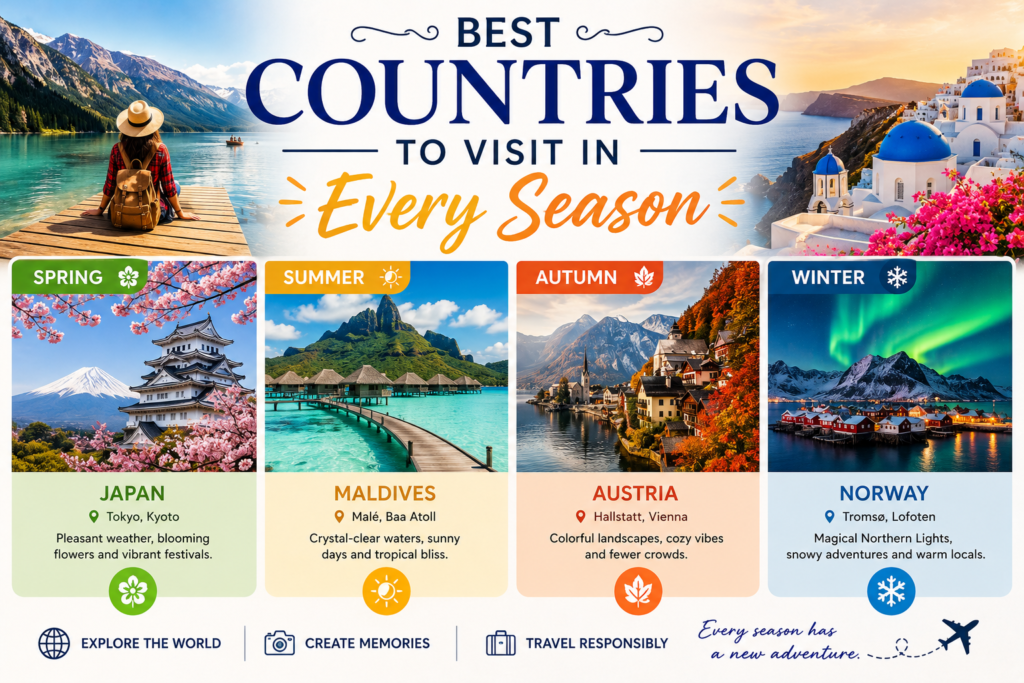
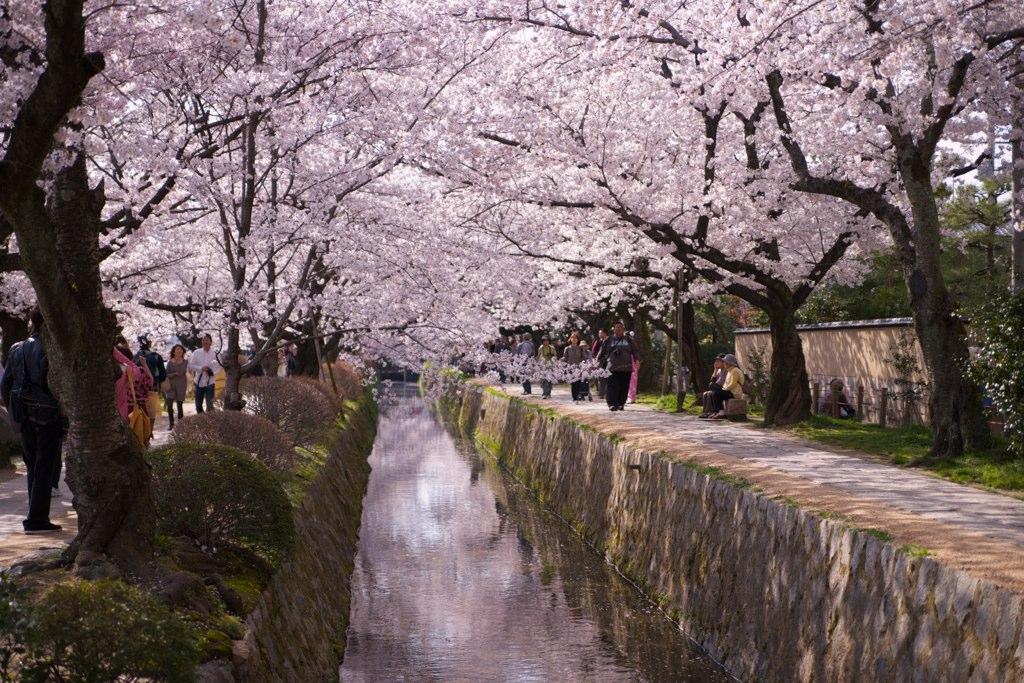
Cherry blossom season is the obvious pick here, and honestly, it lives up to the hype. I visited Kyoto in early April a few years ago and spent an entire afternoon just walking along the Philosopher’s Path watching petals drift into the canal.
A mistake I made though, I didn’t book accommodations early enough. Cherry blossom timing shifts slightly every year depending on weather, so hotels near popular viewing spots fill up fast once forecasts get published. If you’re planning a spring Japan trip, check a reliable blossom forecast tracker and book your stay as soon as dates start looking solid.
Netherlands
Tulip season runs roughly from late March through mid May, with Keukenhof Gardens being the star attraction. I’ll admit I wasn’t expecting much before visiting, tulip fields sounded a little too “postcard” for my taste. Then I actually walked through rows of color that seemed to stretch endlessly, and I understood the hype immediately.
Morocco
Spring in Morocco hits a sweet spot before summer heat becomes brutal, especially if you’re planning to visit the Sahara or hike in the Atlas Mountains. Marrakech in April felt comfortable enough to explore markets for hours without needing constant water breaks, something I definitely couldn’t say about my later summer visit.
Summer Travel: Long Days and Big Energy
Summer is peak season pretty much everywhere in the Northern Hemisphere, which means bigger crowds and higher prices, but also the widest range of activities and the most reliable weather for outdoor adventures.
Greece
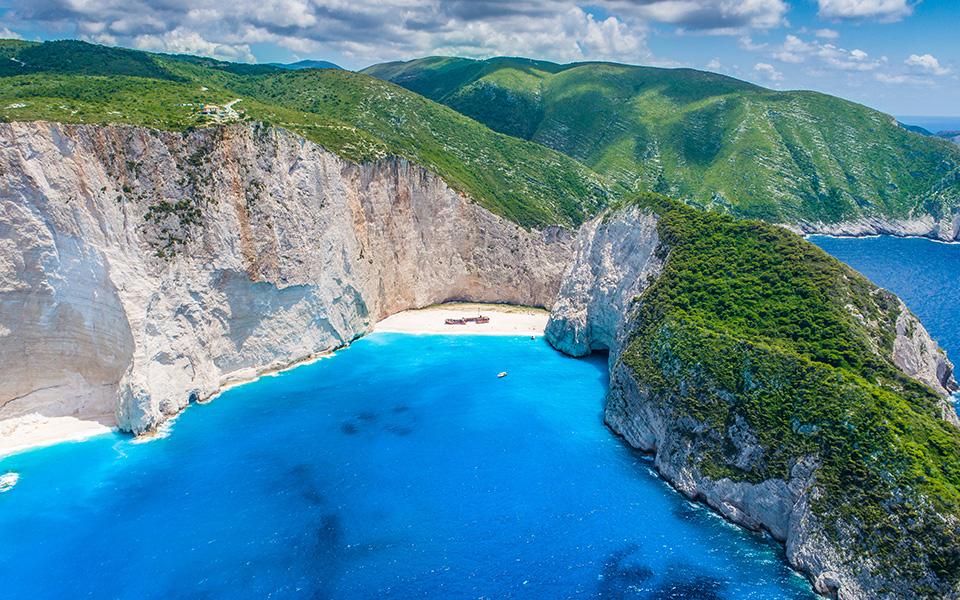
Greek islands in summer are basically what postcards were invented for. Santorini gets most of the attention, but I actually preferred Naxos for a calmer, less touristy version of the same turquoise water and whitewashed buildings.
Here’s how I’d plan a Greek islands trip based on what worked for me:
- Book ferry tickets in advance through an app like Ferryhopper, which lets you compare routes and times across different island hopping options.
- Avoid trying to cram too many islands into one trip. I made this mistake once and spent more time on ferries than actually enjoying any single place.
- Book accommodations at least two months ahead for peak July and August dates, since prices roughly double once availability tightens.
- Pack for heat that regularly hits the mid to high 90s Fahrenheit, lightweight clothing and reef-safe sunscreen make a real difference.
Canada
Canadian summers are short but genuinely spectacular. Banff National Park in July gave me some of the clearest turquoise lake water I’ve ever seen, Lake Louise especially. Just know that popular parking areas fill up by early morning, so arriving before 7am or using the park’s shuttle system saves a lot of frustration.
Norway
The midnight sun phenomenon makes Norwegian summers uniquely strange in a good way. I remember sitting outside a cafe in Tromso at 11pm with full daylight still out, which messed with my internal clock more than any actual jet lag did.
Fall Travel: Comfortable Weather and Fewer Crowds
Fall might be the most underrated travel season. Summer crowds thin out, prices drop, and the weather in a lot of destinations becomes genuinely ideal for walking around all day.
United States New England
Fall foliage season across states like Vermont and New Hampshire is something I didn’t fully appreciate until I actually drove through it. Route 100 in Vermont during peak color, usually early to mid October, looks almost unreal, entire mountainsides turning shades of red and orange within a couple weeks.
A tip that saved me a lot of frustration, foliage timing varies year to year based on temperature and rainfall. I now check regional fall foliage prediction maps before locking in travel dates, rather than just guessing based on the calendar.
Italy
Tuscany in September and October hits that sweet spot of harvest season, comfortable hiking weather, and noticeably thinner crowds compared to the summer tourist rush. I did a small group wine tour near Montalcino in late September and got to watch actual grape harvesting happening in nearby vineyards, something I wouldn’t have seen in July.
South Korea
Seoul in autumn, particularly late October through early November, gives you crisp weather and stunning foliage around palaces like Gyeongbokgung. I’ll be honest, I went expecting mainly city sightseeing and ended up spending an entire day just wandering through Naejangsan National Park because the colors were that good.
Winter Travel: Snow, Sun, or Somewhere in Between
Winter travel really splits into two completely different categories. You’re either chasing snow and cold weather adventures, or you’re running from winter entirely toward warm beaches.
For Snow Lovers
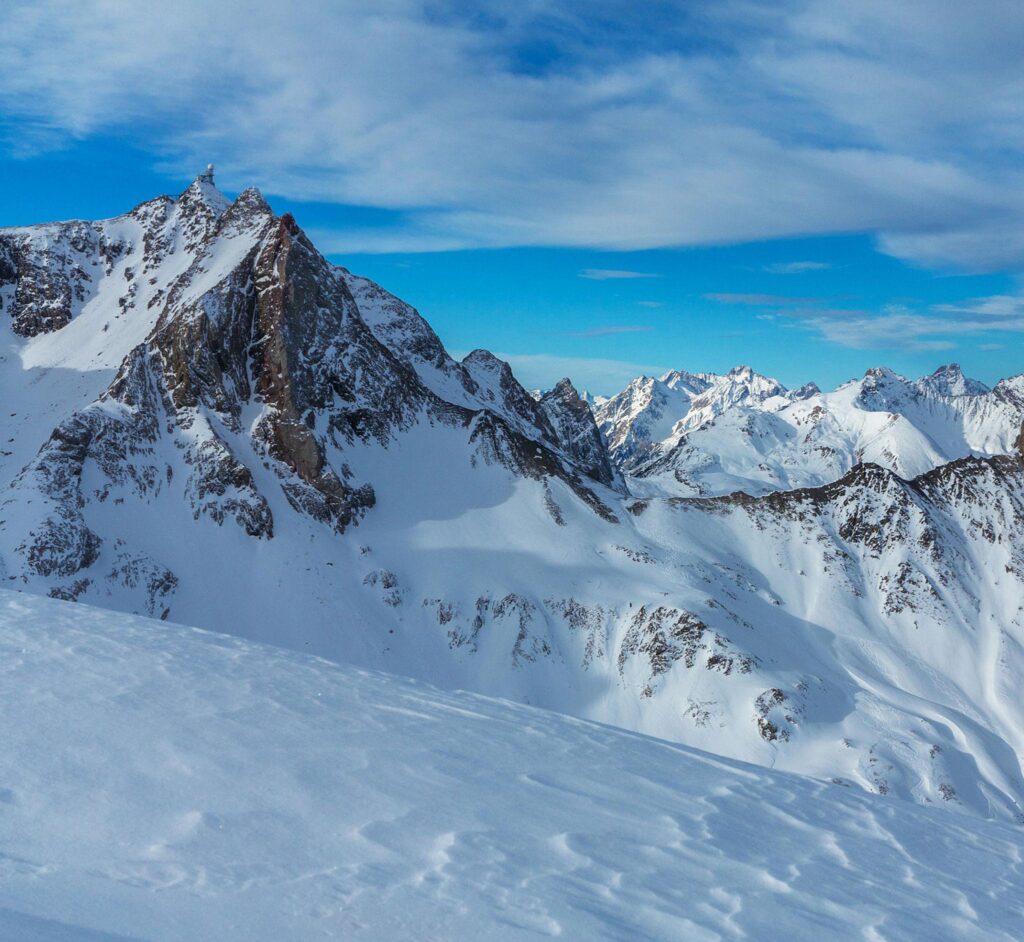
Switzerland remains one of the most reliable winter destinations I’ve experienced. Zermatt in particular offers skiing with genuinely stunning Matterhorn views, though it’s not budget friendly by any stretch. If cost is a concern, smaller resort towns in Austria like Mayrhofen offer similar terrain quality at noticeably lower prices.
Japan deserves a second mention here because winter Japan is a completely different experience from spring Japan. Hokkaido’s powder snow, particularly around Niseko, has become a favorite among skiers specifically because of how consistently light and dry the snow stays throughout the season.
For Sun Seekers
Thailand during December through February hits its dry season, making it genuinely the best window to visit. I learned this after my earlier monsoon disaster, and the difference in experience was night and day. Clear skies, calm seas, comfortable humidity levels compared to summer months.
Costa Rica follows a similar pattern, with its dry season running roughly December through April on the Pacific coast. Wildlife viewing, particularly in areas like Manuel Antonio, tends to be easier during these drier months since animals cluster more predictably around remaining water sources.
A Simple Step by Step Process for Planning Seasonal Trips
After enough trial and error, I’ve settled into a routine that keeps me from repeating my Bali monsoon mistake.
Step one, research the destination’s actual climate patterns rather than just assuming based on general geography. Countries like Vietnam and India have multiple distinct climate zones, so what’s true for one region might be completely wrong for another.
Step two, check for shoulder season options. These are the weeks right before or after peak season, when weather is often still good but crowds and prices drop significantly.
Step three, use tools like Weather Spark or similar climate data sites to look at historical averages for your specific travel dates rather than just general seasonal descriptions.
Step four, factor in local events and holidays. I once accidentally booked a trip to India during a major festival period without realizing hotel prices would triple and trains would be booked solid weeks in advance.
Step five, build in flexibility where possible. Weather forecasts beyond ten days aren’t reliable, so if your destination has known volatility, like hurricane season in the Caribbean, travel insurance with weather coverage is worth the extra cost.
Common Mistakes People Make With Seasonal Travel
I’ve made a good chunk of these personally, so take this as a friendly heads up rather than a lecture.
Confusing “warm country” with “good weather year round.” Plenty of tropical destinations have brutal rainy seasons that locals actively avoid. Warm doesn’t automatically mean pleasant.
Ignoring shoulder seasons entirely. Peak season isn’t always the best time to visit, it’s often just the most crowded and expensive time to visit.
Booking based on outdated blog posts. Climate patterns shift, and older articles sometimes describe seasonal timing that’s no longer accurate. Cross-checking with current climate data before finalizing plans avoids this trap.
Underestimating regional variation within one country. Southern Spain and northern Spain can feel like different climates entirely. Assuming uniform weather across an entire country is a common and avoidable mistake.
Forgetting about shoulder-season events. Some destinations schedule major festivals or events during transitional seasons specifically to extend tourist interest. These can either be a huge bonus or a scheduling headache depending on your preferences.
Real Tools That Make Seasonal Planning Easier
A handful of resources I keep coming back to when planning trips around specific seasons:
- Weather Spark gives detailed historical climate graphs for specific cities, broken down by month, which is far more useful than a general “rainy season” label.
- Google Flights’ price calendar helps spot cheaper shoulder season windows by showing fare fluctuations across an entire month at once.
- Ferryhopper, mentioned earlier, works well for island hopping trips where seasonal ferry schedules change based on tourist demand.
- Local tourism board websites tend to have more accurate, current seasonal guidance than generic travel blogs, since they’re updated by people actually living through the seasons they’re describing.
Final Thoughts
Picking the right season for a destination isn’t about chasing perfect weather every single time, sometimes a little rain or an unexpected cold snap turns into the most memorable part of a trip. But going in with realistic expectations makes a genuine difference between a trip you enjoy and one you spend mostly waiting out weather from a hotel room.
Wherever you’re headed next, take twenty minutes to actually research the season before locking in dates. It’s a small step that would have saved me from more than one disappointing trip, including that soggy week in Bali I still think about every time someone mentions “tropical vacation.”