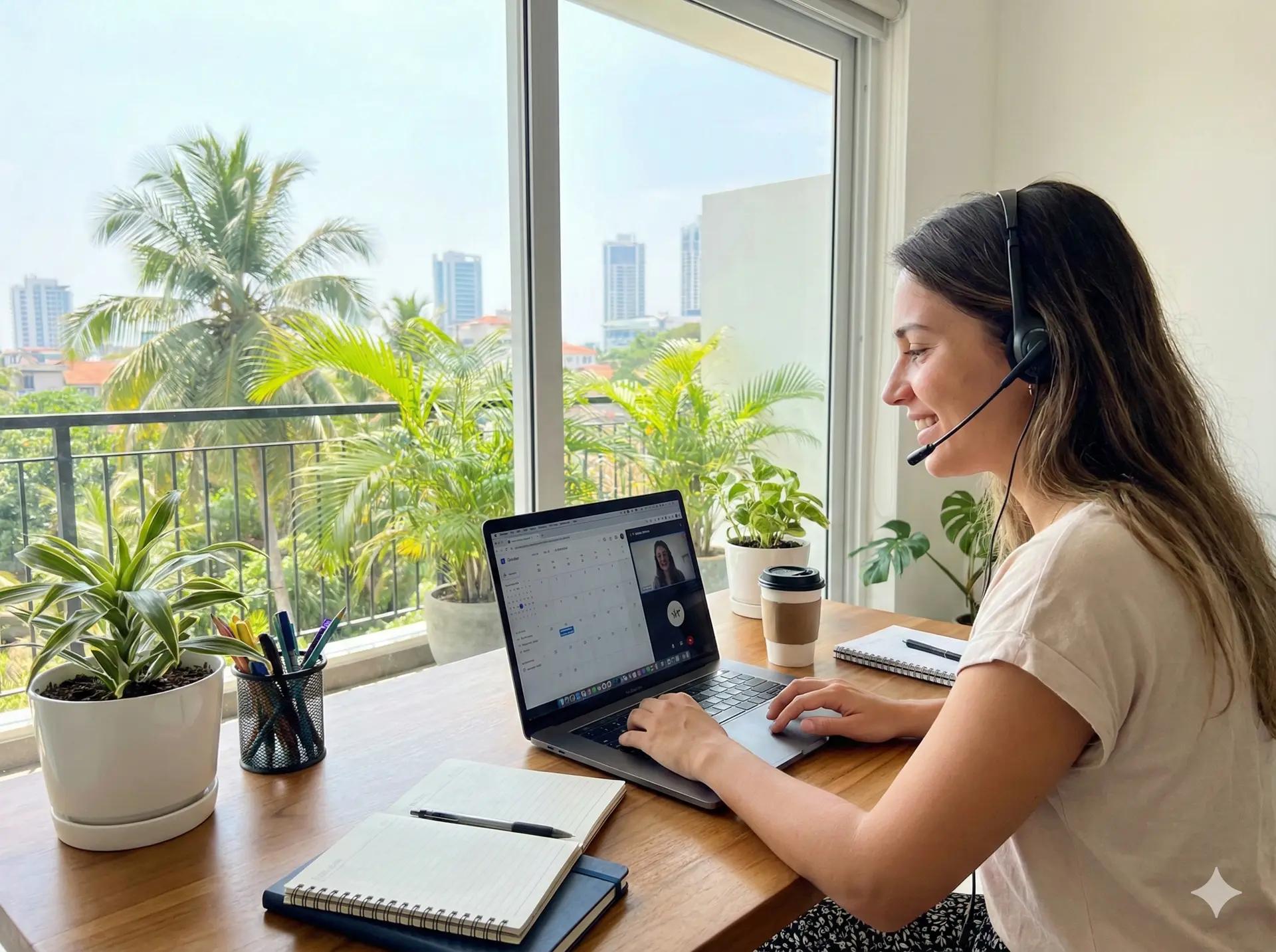

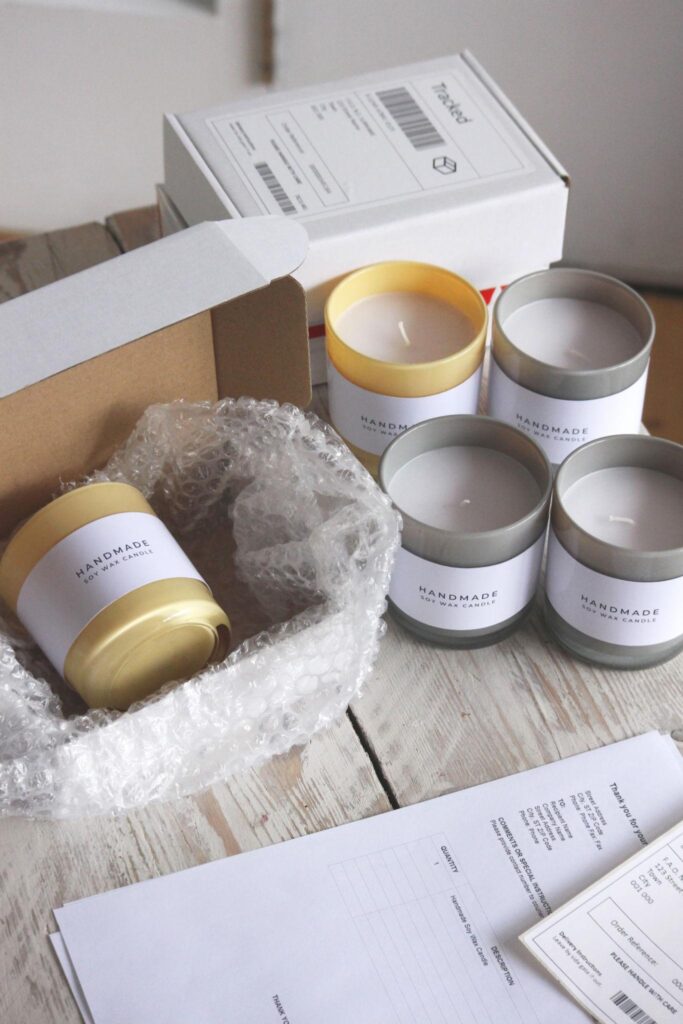
Three years ago I was selling handmade candles out of my apartment, packing orders on my kitchen table while my day job Zoom calls played in the background. I had no business plan, no fancy website, and definitely no idea what I was doing. I just knew I wanted extra income and had a hobby people kept asking to buy from me.
That messy, unplanned start eventually turned into a real small business, though it took a lot longer and involved way more mistakes than I expected. I want to share what actually worked, what wasted my time, and what I’d tell a friend starting from scratch today.
This isn’t going to be some guide promising you’ll be rich in thirty days. Building something real takes actual effort. But starting has genuinely gotten easier over the past few years, mostly thanks to tools that didn’t exist or weren’t as accessible when I began.
Why Starting Small Actually Works Better
I used to think you needed a huge idea, serious investors, and a polished business plan before you could call yourself a business owner. That assumption kept me stuck for almost two years before I finally just started selling candles without any of that.
Turns out most successful small businesses I’ve come across started small and messy too. A friend of mine began selling digital planners on Etsy using templates she made in Canva during her lunch breaks. Another started a dog walking service with nothing but a flyer posted at her local coffee shop.
Starting small removes the pressure that stops most people from ever beginning at all. You can always grow and adjust later, but you can’t learn anything from an idea that never actually launches.
Finding an Idea That Fits Your Actual Life
Look at What People Already Ask You For
My candle business started because friends kept asking where I bought my candles, then were surprised when I told them I made them myself. That repeated question was basically free market research handed to me.
Think about skills or hobbies people already compliment you on or ask for help with. That’s usually a better starting point than trying to invent something completely from scratch.
Consider Your Actual Time and Energy
I made the mistake early on of trying to launch a service-based business alongside my full-time job, one that required me to be available during business hours for client calls. It fell apart within a few months because I simply didn’t have the time.
Product-based businesses, like the candles, worked better for my schedule because I could pack orders in the evening after work. Be honest about what your current life actually allows before choosing a business model.
Test Before You Invest
I didn’t do this at first and regretted it. I bought a large batch of supplies before confirming anyone actually wanted to buy what I was making.
Now I always recommend testing small first. Sell a handful of items to friends, post in a local Facebook group, or run a tiny batch before committing serious money to inventory or equipment.
Step-by-Step: Getting Your Business Off the Ground
Here’s roughly how I’d approach starting a small business today, based on what worked and what I wish I’d done differently.
Step one: Validate your idea with real people
Before spending money, talk to at least ten people who might actually buy what you’re offering. I skipped this step originally and ended up with candle scents nobody wanted.
Step two: Choose a simple business structure
Many people start as a sole proprietorship since it requires minimal paperwork, though an LLC offers more legal protection once you’re generating real income. I’d recommend checking your specific state’s requirements through your Secretary of State website, since rules vary depending on where you live, and consulting a professional if you’re unsure which structure fits your situation.
Step three: Set up basic business finances
I waited far too long to open a separate business bank account, which made tax season an absolute nightmare that first year. Now I use a simple business checking account and track expenses through an app called Wave, which is free and handles basic invoicing too.
Step four: Build a minimal online presence
You don’t need a fancy custom website right away. I started with just an Instagram account and later moved to Etsy once orders picked up. Platforms like Shopify or Squarespace work well once you’re ready for something more official.
Step five: Handle the legal basics
Depending on your business type, you might need a sales tax permit, a business license, or specific permits for your industry. This part genuinely isn’t fun, but skipping it can create real headaches later. I’d suggest checking your local city or county website, since requirements differ quite a bit by location.
Step six: Start small and adjust based on real feedback
My first candle scents weren’t great. I adjusted based on actual customer feedback rather than guessing what people wanted, and the product genuinely got better over time because of it.
Real Tools That Made Starting Easier
Canva became my go-to for designing labels, social media posts, and basic marketing materials without needing any design background.
Etsy handled payment processing and gave me built-in traffic I wouldn’t have had building a website completely from scratch.
Wave handled invoicing and basic bookkeeping for free, which mattered a lot when every dollar counted in those early months.
Google Business Profile helped local customers find me once I started doing craft fairs and needed a simple way for people to leave reviews.
Later on, once things grew, I moved to Shopify for more control over my own website, though I’d only recommend that step once you’ve already validated there’s real demand.
Real Example: How My Candle Business Actually Grew
Month one, I sold candles to about fifteen friends and family members, mostly just to test if my scents were any good. Feedback was mixed, honestly. A couple of scents were genuinely bad.
Month three, after adjusting recipes based on that feedback, I started posting on Instagram and picked up maybe five new customers total. Slow, but real.
Month six, I opened an Etsy shop, which brought in customers I never would have found through Instagram alone. This is when things started feeling like an actual business instead of a hobby.
By month twelve, I’d registered as an LLC, opened a separate business bank account, and was making enough consistently that I could see this becoming something bigger than a side project. It still wasn’t replacing my full-time income, but the trajectory felt real.
Common Mistakes to Avoid
Waiting for the perfect idea before starting. I wasted almost two years waiting for some brilliant business idea instead of just starting with something simple I already knew how to do.
Skipping the legal and tax basics. I genuinely regretted not opening a separate bank account from day one. Mixing personal and business finances made everything more complicated than it needed to be.
Overspending before validating demand. That early inventory mistake taught me an expensive lesson. Start smaller than feels comfortable, then scale once you’ve confirmed people actually want to buy.
Ignoring customer feedback because it stings. My first candle scents got some blunt feedback that honestly hurt a little. Adjusting based on that feedback instead of getting defensive made the product noticeably better.
Trying to do everything perfectly before launching. My original Instagram photos were taken on my phone with terrible lighting. I launched anyway, and the business survived just fine despite the imperfect start.
Comparing your slow start to someone else’s highlight reel. Social media makes other small businesses look like they succeeded overnight. Most didn’t. Comparing your month-one numbers to someone else’s year-three success is a recipe for feeling discouraged unnecessarily.
A Few Notes on Money and Legal Requirements
I want to be upfront here since this part matters. I’m not an accountant or a lawyer, just someone who’s been through the process. Business structures, tax obligations, and licensing requirements vary significantly depending on where you live and what type of business you’re running.
Before making decisions about your specific business structure or tax setup, it’s worth talking to a local accountant or checking resources through the Small Business Administration website, which offers free guidance for exactly these kinds of questions.
Final Thoughts
Starting a small business in 2026 doesn’t require some massive leap of faith or a perfect plan laid out from day one. Most of the businesses I admire, including my own messy start, began small, adjusted constantly, and grew slowly based on real feedback rather than guesswork.
If there’s something you’ve been wanting to try, whether that’s selling a product, offering a service, or turning a skill into income, the tools available right now make starting easier than it’s ever been. The hardest part usually isn’t the business itself. It’s just deciding to actually begin.
Pick one small step this week. Talk to a potential customer, sketch out a rough idea, or research what licensing your specific business might need. Momentum tends to build once you actually start moving, even if that first step feels small.