
What I Wish Someone Told Me Before My First Trip
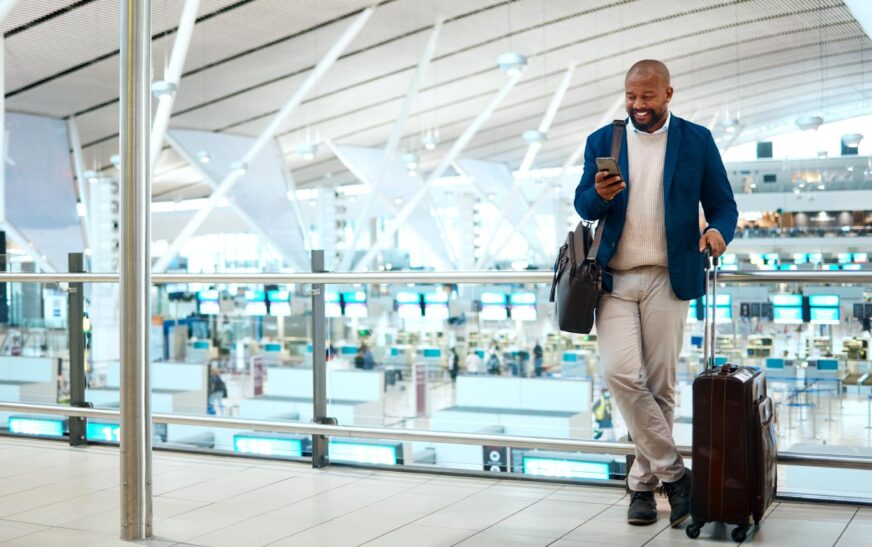
I remember standing in an airport at 2am, jet lagged and confused, having just paid nearly triple what I should have for a taxi because I didn’t know public transport existed from that airport. That one mistake ate almost a fifth of my entire trip budget on day one.
That trip taught me more about budget travel than any blog post I’d read beforehand. Turns out reading about travel and actually doing it are two very different skill sets, and nobody really tells you the small stuff that ends up mattering most.
If you’re planning your first real trip and feeling a little overwhelmed by all the advice out there, this is the version I wish existed before my first one. No generic checklist, just what actually worked, what backfired, and what I’d do differently now.
Why First Trips Always Cost More Than Planned
Every first time traveler I know, myself included, blew past their initial budget. It’s not because budget travel doesn’t work. It’s because nobody accounts for the small stuff until they’re already paying for it.
Airport transport, SIM cards, unexpected entry fees, tipping norms in a country you’ve never visited, these things add up fast when you don’t know they’re coming. A budget built purely around flights and hotels misses half the actual cost of traveling.
The good news is that once you know what to watch for, the second trip gets dramatically cheaper. This whole article is basically everything I learned the expensive way, so you don’t have to.
Booking Flights Without Overpaying
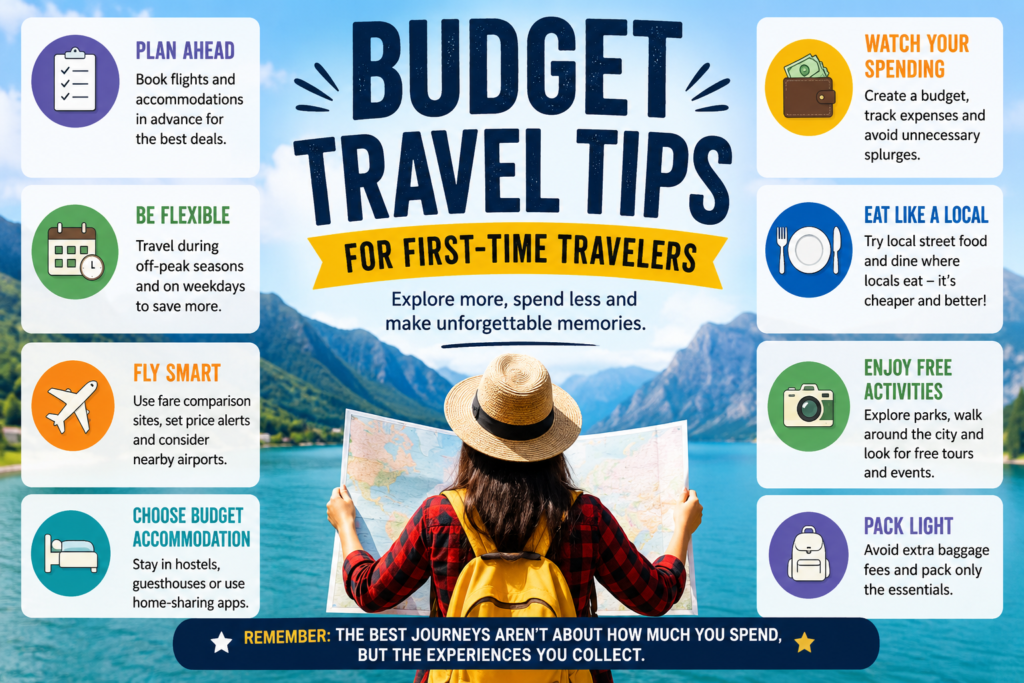
Flexibility Saves More Than Any Discount Code
I used to search for flights on exact dates because that’s when I had vacation time approved. What I didn’t realize is that shifting a departure by even one day can change the price by a significant amount.
Google Flights has a calendar view that shows price differences across an entire month at a glance. I use this now before locking in any dates, and it’s saved me real money more times than I can count.
Incognito Mode Actually Does Something
I was skeptical about the whole “search in incognito because prices go up if you keep checking” theory for a long time. After testing it myself, searching the same flight in a normal browser versus incognito mode, I did see a price difference on more than one occasion.
Whether or not this happens every single time, it costs nothing to check both ways before booking. Worth the extra thirty seconds.
Budget Airlines Come With Hidden Costs
My first budget airline booking looked incredibly cheap until I got to the airport and discovered checked bag fees, seat selection fees, and even a fee for printing my boarding pass at the counter instead of doing it online.
Read the fine print on baggage allowances before booking anything with an unusually low fare. Sometimes a slightly more expensive full service airline ends up cheaper once you add back everything the budget carrier charges separately.
Finding Accommodation That Doesn’t Drain Your Budget
Hostels Aren’t Just for Twenty Year Olds
I avoided hostels on my first trip assuming they’d be uncomfortable or unsafe. That assumption was wrong. Modern hostels, especially ones with good reviews on Hostelworld, often have private rooms available at a fraction of hotel prices, plus shared kitchens that save serious money on food.
Check reviews specifically mentioning cleanliness and security, not just location, before booking anything unfamiliar.
Location Sometimes Beats Price
I once booked the cheapest available room in a city, only to realize it was an hour outside the center with limited public transport access. The money I saved on the room got spent right back on taxis and lost time.
Sometimes paying slightly more for a place within walking distance of what you actually want to see works out cheaper overall once transport costs get factored in.
Look Beyond the Obvious Booking Sites
Booking.com and Airbnb get most of the attention, but I’ve found genuinely good deals on smaller regional booking platforms specific to certain countries. A quick search for “best hotel booking sites in [destination]” before a trip has turned up options I never would have found otherwise.
Managing Money While Traveling
Notify Your Bank Before You Leave
This sounds obvious, but I forgot to do this on my first trip and had my card flagged for suspicious activity the moment I tried to use it abroad. A quick note through your bank’s app before departure prevents an embarrassing situation at a restaurant register.
Travel Friendly Cards Save on Fees
Standard debit cards often charge foreign transaction fees plus ATM withdrawal fees that add up fast. I switched to a travel focused card, and the difference in fees alone paid for the effort of switching within the first week of my next trip.
Look specifically for cards advertising no foreign transaction fees and reimbursed ATM fees. A little research before departure here genuinely pays for itself.
Carry Some Cash, But Not Too Much
I went to one extreme on my first trip, carrying almost no cash and assuming cards would work everywhere. They didn’t, especially at smaller local vendors and markets. My second trip I overcorrected and carried too much cash, which felt stressful and unnecessary.
Now I carry enough local currency for a day or two of small purchases, and rely on cards for everything else. Balance matters more than picking one extreme.
Eating Well Without Overspending
Street Food Isn’t a Downgrade
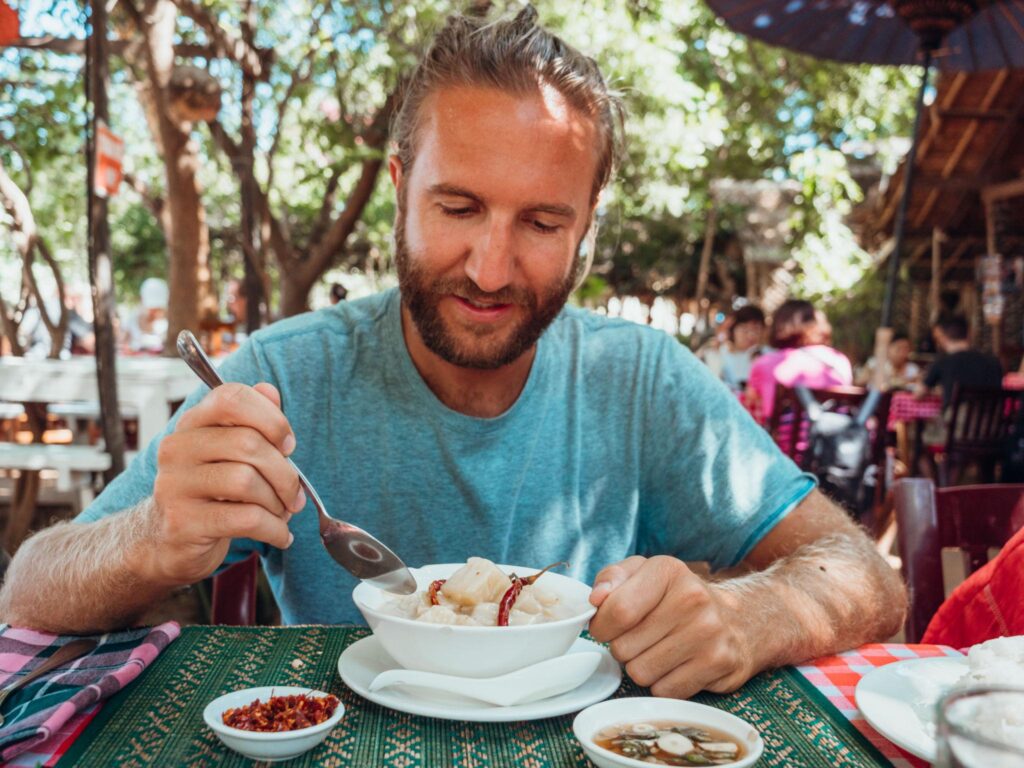
I was nervous about street food on my first trip, worried about getting sick. After doing a little research and sticking to stalls with visible turnover and long local lines, I ended up eating some of the best food of the entire trip for a fraction of restaurant prices.
The general rule that’s served me well, if locals are lining up, it’s probably both safe and good.
Grocery Stores Are Underrated
Buying breakfast items and snacks from a local grocery store instead of eating every meal out cut my food budget significantly. This matters even more if your accommodation has any kind of kitchen access, even just a fridge and microwave.
One Splurge Meal Beats Constant Small Splurges
I used to nickel and dime myself on small treats throughout a trip, a fancy coffee here, an overpriced snack there. Now I budget for one genuinely nice meal per destination and keep everything else simple. It feels more intentional and actually saves money overall.
Step-by-Step: Building a Realistic First Trip Budget
Here’s the actual process I use now before booking anything, built from everything that went wrong on my first attempt.
Step one: Research your destination’s average daily cost first. Sites like Budget Your Trip and Numbeo break down average daily spending by city, covering accommodation, food, and transport. This gives you a realistic starting number instead of guessing blind.
Step two: Add a buffer of at least fifteen percent on top of your estimate. Every trip has unexpected costs. Building this cushion in from the start prevents the panic of running low on funds halfway through.
Step three: Book flights and accommodation first, since these are usually the biggest fixed costs. Once these are locked in, you have a clearer picture of what’s left for food, activities, and transport.
Step four: Research local transport options before arriving. Knowing whether a destination has reliable public transport, or whether taxis and rideshares are the norm, changes how much you should budget for getting around daily.
Step five: List free or low cost activities specific to your destination. Most cities have free walking tours, public parks, markets, and viewpoints that cost nothing beyond your time. Building a few of these into each day balances out any paid attractions you want to prioritize.
Step six: Track spending daily, even loosely. A simple notes app entry each night, just rough totals, keeps you aware of where the money is actually going before it becomes a problem near the end of the trip.
Real Examples From My Own Trips
The Airport Transport Lesson
That expensive taxi I mentioned at the start taught me to always research airport transport options before landing, not after. Now checking whether a destination has an airport train or bus link is one of the first things I do while planning, right alongside booking flights.
The Hostel That Changed My Mind
On a later trip, I booked a private room in a well reviewed hostel instead of a budget hotel, mostly out of curiosity. It came with access to a shared kitchen, a genuinely helpful front desk that gave better local recommendations than any guidebook, and cost less than half of comparable hotel options nearby.
The SIM Card Mistake
I paid for an expensive international roaming package before one trip, only to discover a local prepaid SIM card cost a fraction of the price and worked just as well once I arrived. Now I research local SIM options in advance, or download an eSIM through an app like Airalo before even leaving home.
The Overpacking Problem
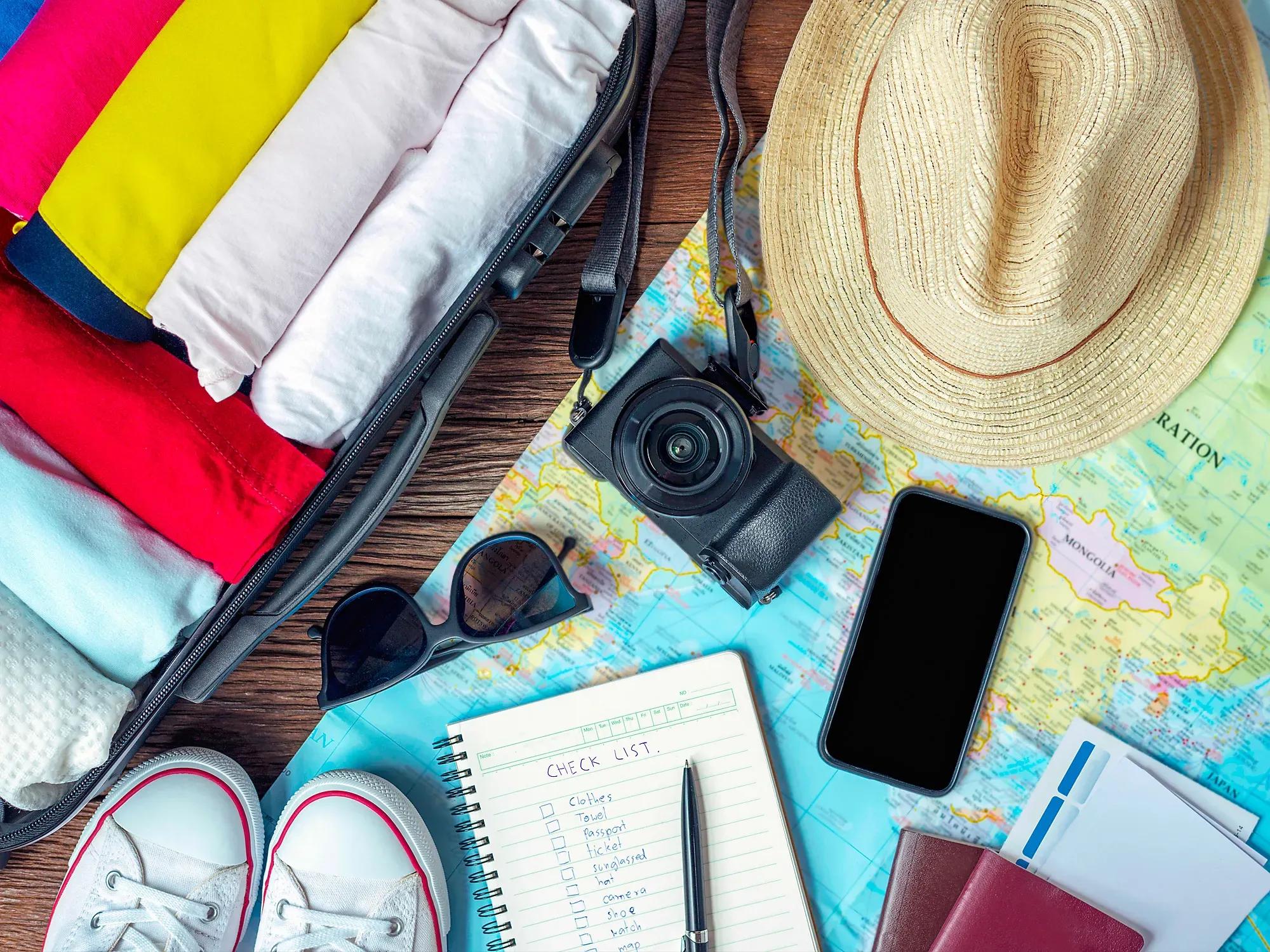
My first trip involved a suitcase so overpacked I paid extra baggage fees on two separate flights. Packing lighter on later trips, using packing cubes to stay organized, saved money on fees and made getting around cities so much easier without dragging a heavy bag everywhere.
Common Mistakes First-Time Travelers Make
Booking the first flight price they see. Prices fluctuate constantly. A little patience and flexibility with dates almost always saves money compared to booking the very first option that pops up.
Ignoring local transport research until arrival. Figuring out transport after landing, tired and disoriented, almost always costs more than researching it beforehand from the comfort of home.
Assuming cards work everywhere. Plenty of smaller vendors, markets, and even some transport systems still operate cash only in certain destinations. Always carry some backup cash.
Overpacking activities into each day. Trying to see everything leads to rushed, exhausting days and often more spending on transport bouncing between attractions. Slower, more intentional days usually end up cheaper and more enjoyable.
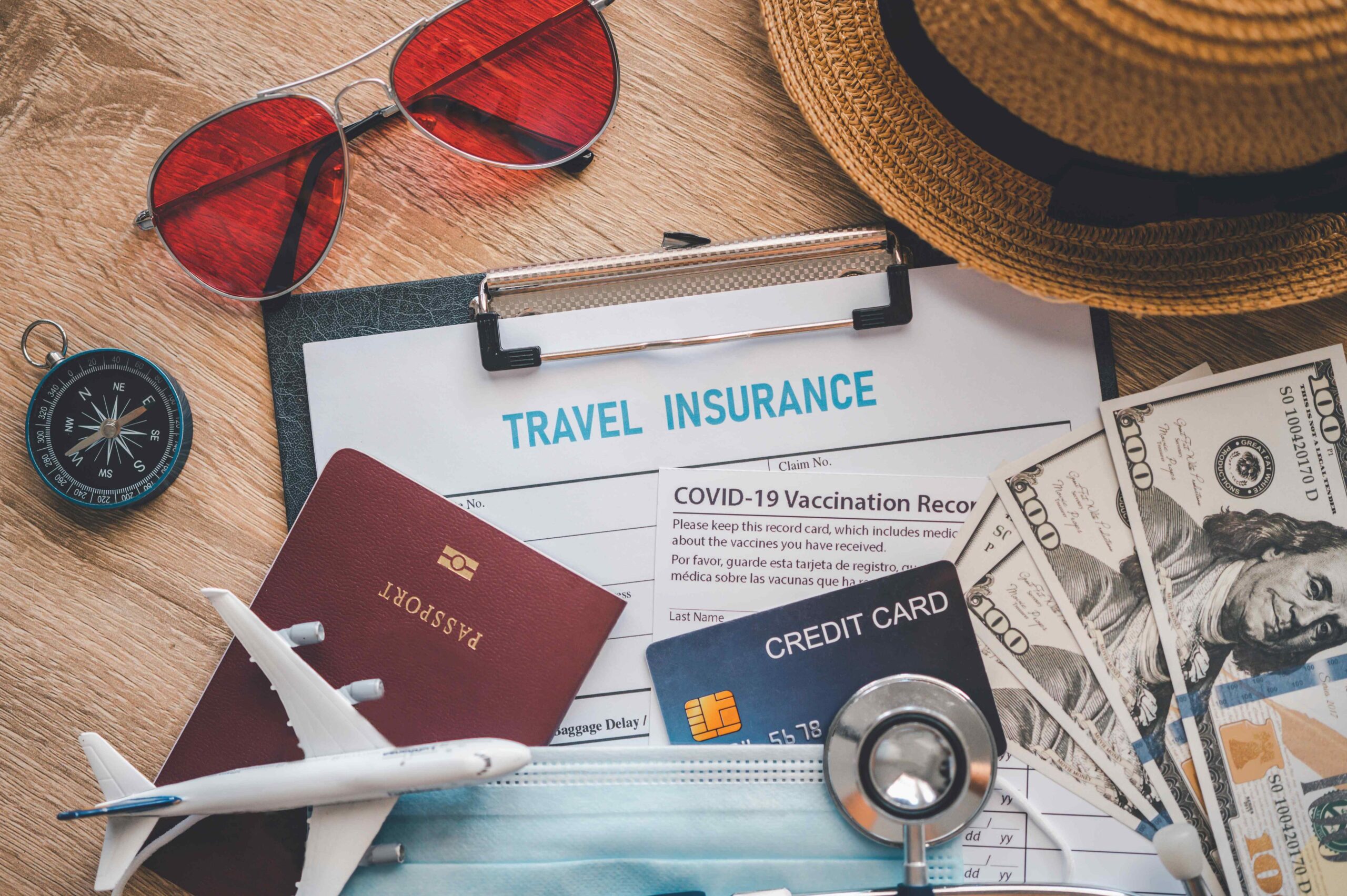
Skipping travel insurance to save money upfront. This is the one place I’d never cut corners again. A canceled flight or a minor medical issue abroad without insurance can cost far more than the insurance itself ever would have.
Tools and Apps That Actually Helped
Google Flights for tracking price changes and flexible date searching.
Hostelworld for genuinely useful reviews focused on safety and cleanliness, not just star ratings.
Airalo for eSIM data plans that skip the hassle of finding a physical SIM card on arrival.
Numbeo and Budget Your Trip for realistic daily cost estimates by destination.
A simple notes app for daily spending tracking, since overcomplicating this step means you’ll stop doing it after a few days.
XE Currency for quick, offline capable currency conversion so you’re not doing mental math at every register.
Final Thoughts
Budget travel isn’t really about spending as little as possible everywhere. It’s about spending intentionally, putting money toward what actually matters to you on a trip and cutting corners on the stuff that doesn’t.
My first trip taught me more through mistakes than any amount of research could have. That’s honestly fine. Every wrong turn, overpriced taxi, and overpacked suitcase taught me something that made the next trip smoother and cheaper.
If you’re about to take your first trip, don’t stress over getting everything perfect. Build a realistic budget, research the basics ahead of time, and expect a few things to go sideways anyway. That’s just part of it, and somehow those moments usually end up being the stories you tell afterward anyway.